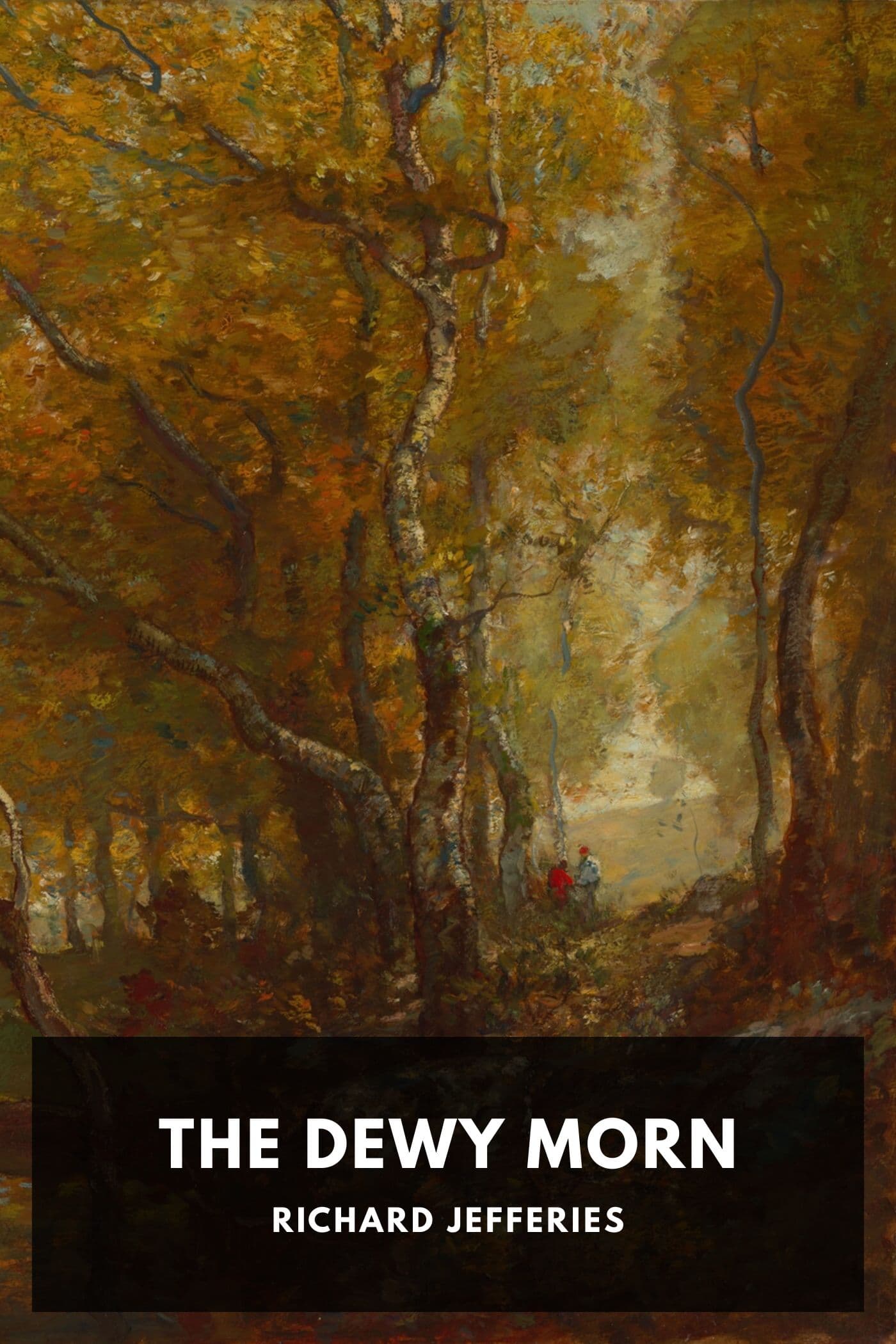
The Toilers of the Field
Richard Jefferies wrote with the urgency of someone documenting a world about to disappear. In these essays and sketches, he captures the English countryside at a pivotal moment, just as industrialization and changing agricultural practices begin to reshape rural life forever. This is not the idealized pastoral of poetry and painting, but something more honest and harder: the daily grind of laborers bent over soil, the ancient rhythms of planting and harvest, the complex social hierarchies that governed village life. Jefferies sketches farmhouses and their inhabitants with meticulous attention, observing the architecture of rural homes, the routines that structure each day from dawn to dusk, the economic pressures squeezing farmers and workers alike. His writing makes visible the invisible labor that sustains civilization. These pieces first appeared in Fraser's Magazine and Longman's Magazine, collected posthumously in 1892. What endures is Jefferies's clear-eyed gaze: he loves the countryside but refuses to sentimentalize it, and in doing so preserves something precious about working people and the land that no other writer of his era captured quite this way.
Editions
Link to this book
Add a free, dofollow link to Lex on your blog, forum, syllabus, or reading list.

<a href="https://lex-books.com/book/the-toilers-of-the-field-9871f536-2ec6-4484-8fde-539080c0793c"><img src="https://lex-books.com/badges/read-on-lex.svg" alt="Read The Toilers of the Field by Richard Jefferies free on Lex" width="160" height="40"></a>[](https://lex-books.com/book/the-toilers-of-the-field-9871f536-2ec6-4484-8fde-539080c0793c)[url=https://lex-books.com/book/the-toilers-of-the-field-9871f536-2ec6-4484-8fde-539080c0793c][img]https://lex-books.com/badges/read-on-lex.svg[/img][/url]Read The Toilers of the Field by Richard Jefferies free on Lex: https://lex-books.com/book/the-toilers-of-the-field-9871f536-2ec6-4484-8fde-539080c0793cCite this book
Reading this edition for a paper or guide? Copy a citation.
Jefferies, Richard. The Toilers of the Field. Lex, lex-books.com/book/the-toilers-of-the-field-9871f536-2ec6-4484-8fde-539080c0793c.Jefferies, R. (n.d.). The Toilers of the Field. Lex. https://lex-books.com/book/the-toilers-of-the-field-9871f536-2ec6-4484-8fde-539080c0793cJefferies, Richard. The Toilers of the Field. Lex. https://lex-books.com/book/the-toilers-of-the-field-9871f536-2ec6-4484-8fde-539080c0793c.