After London; Or, Wild England
1885
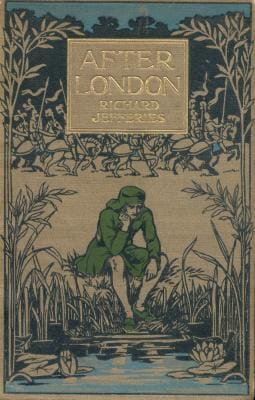
After London; Or, Wild England
1885
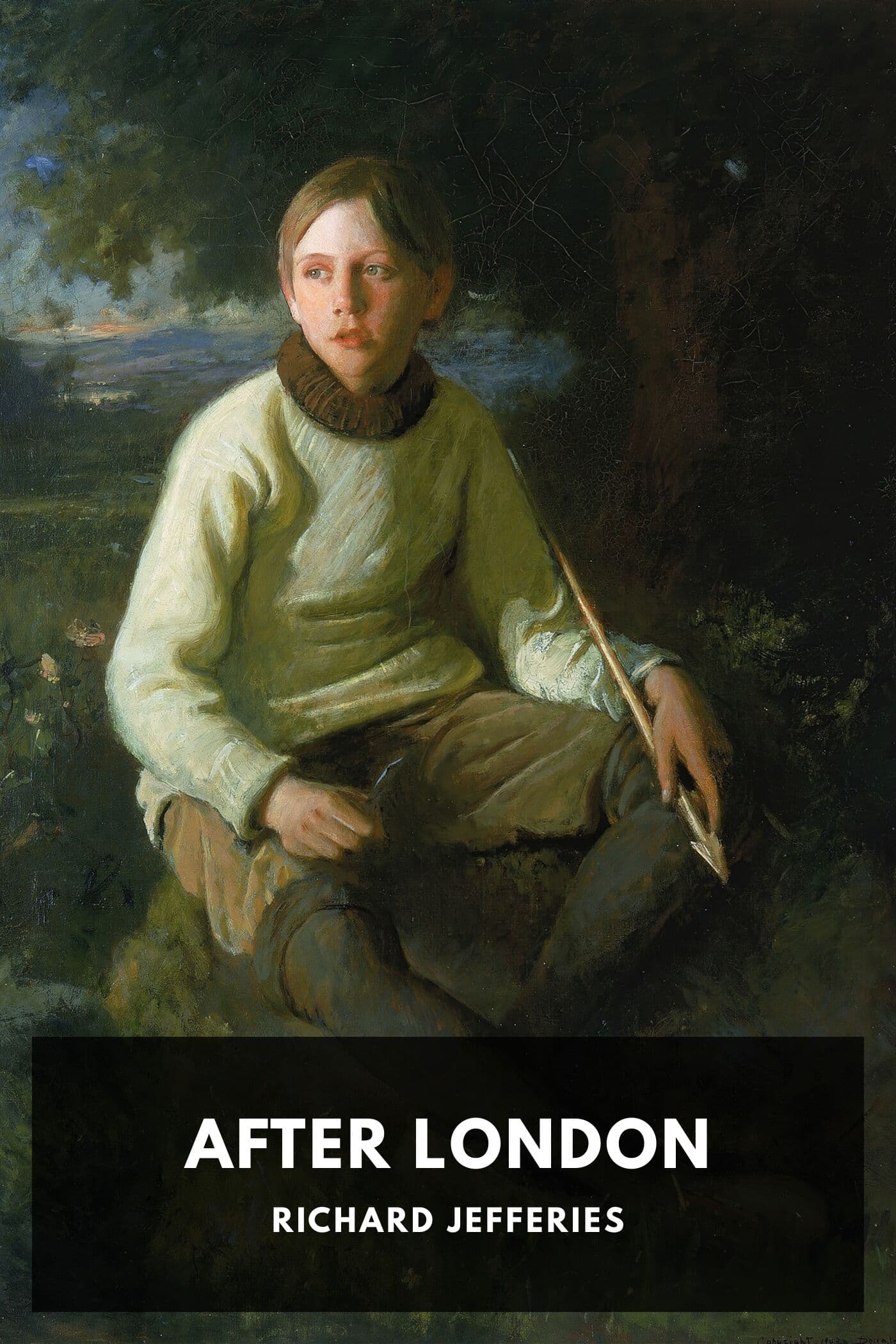
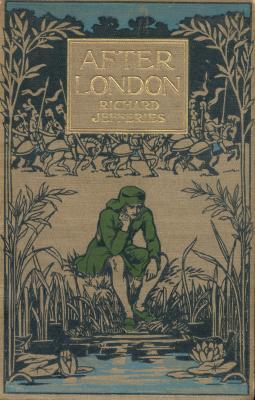
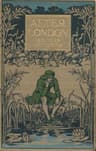
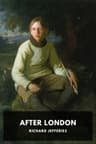
The world ended quietly. That is perhaps the most unsettling thing about this 1885 masterpiece of quiet apocalypse: there is no war, no asteroid, no nuclear blast. Civilization simply ebbs away, and England becomes wild again. Jefferies writes with the precise eye of a Victorian naturalist turned elegist, imagining foxes breeding in the ruins of London, marshes swallowing forgotten cities, and the few remaining humans reverting to tribal life. The novel unfolds in two movements. The first is a historian's account of the relapse into barbarism, a loving and melancholy description of nature reclaiming every field and factory. The second follows young Felix Aquila through this transformed landscape, where adventure waits in every forgotten wood. What elevates this beyond mere speculation is the quality of the prose - descriptions of post-apocalyptic England possess an eerie, prophetic beauty that feels less like Victorian fantasy and more like documentary. This is apocalypse as pastoral: strange, sad, and startlingly tender. For readers who prefer their end of the world quiet, who find beauty in ruins, who want to understand where the post-apocalyptic tradition began.
Editions
X-Ray
Link to this book
Add a free, dofollow link to Lex on your blog, forum, syllabus, or reading list.

<a href="https://lex-books.com/book/after-london-or-wild-england-74408a93-04ec-4cce-9826-88ffe0d3e943"><img src="https://lex-books.com/badges/read-on-lex.svg" alt="Read After London; Or, Wild England by Richard Jefferies free on Lex" width="160" height="40"></a>[](https://lex-books.com/book/after-london-or-wild-england-74408a93-04ec-4cce-9826-88ffe0d3e943)[url=https://lex-books.com/book/after-london-or-wild-england-74408a93-04ec-4cce-9826-88ffe0d3e943][img]https://lex-books.com/badges/read-on-lex.svg[/img][/url]Read After London; Or, Wild England by Richard Jefferies free on Lex: https://lex-books.com/book/after-london-or-wild-england-74408a93-04ec-4cce-9826-88ffe0d3e943Cite this book
Reading this edition for a paper or guide? Copy a citation.
Jefferies, Richard. After London; Or, Wild England. Lex, lex-books.com/book/after-london-or-wild-england-74408a93-04ec-4cce-9826-88ffe0d3e943.Jefferies, R. (1885). After London; Or, Wild England. Lex. https://lex-books.com/book/after-london-or-wild-england-74408a93-04ec-4cce-9826-88ffe0d3e943Jefferies, Richard. After London; Or, Wild England. Lex. https://lex-books.com/book/after-london-or-wild-england-74408a93-04ec-4cce-9826-88ffe0d3e943.