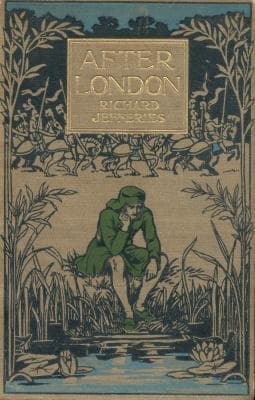
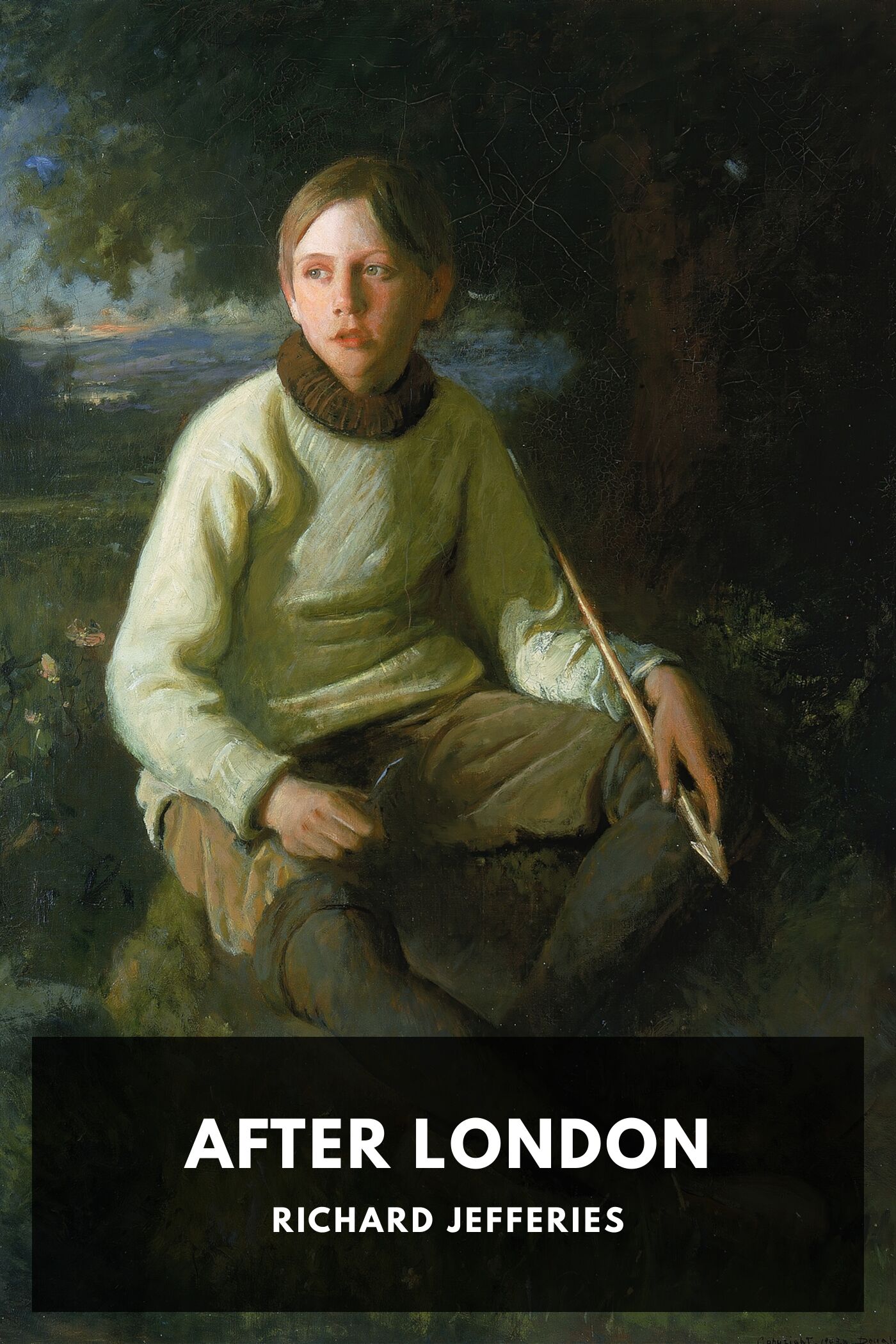
After London
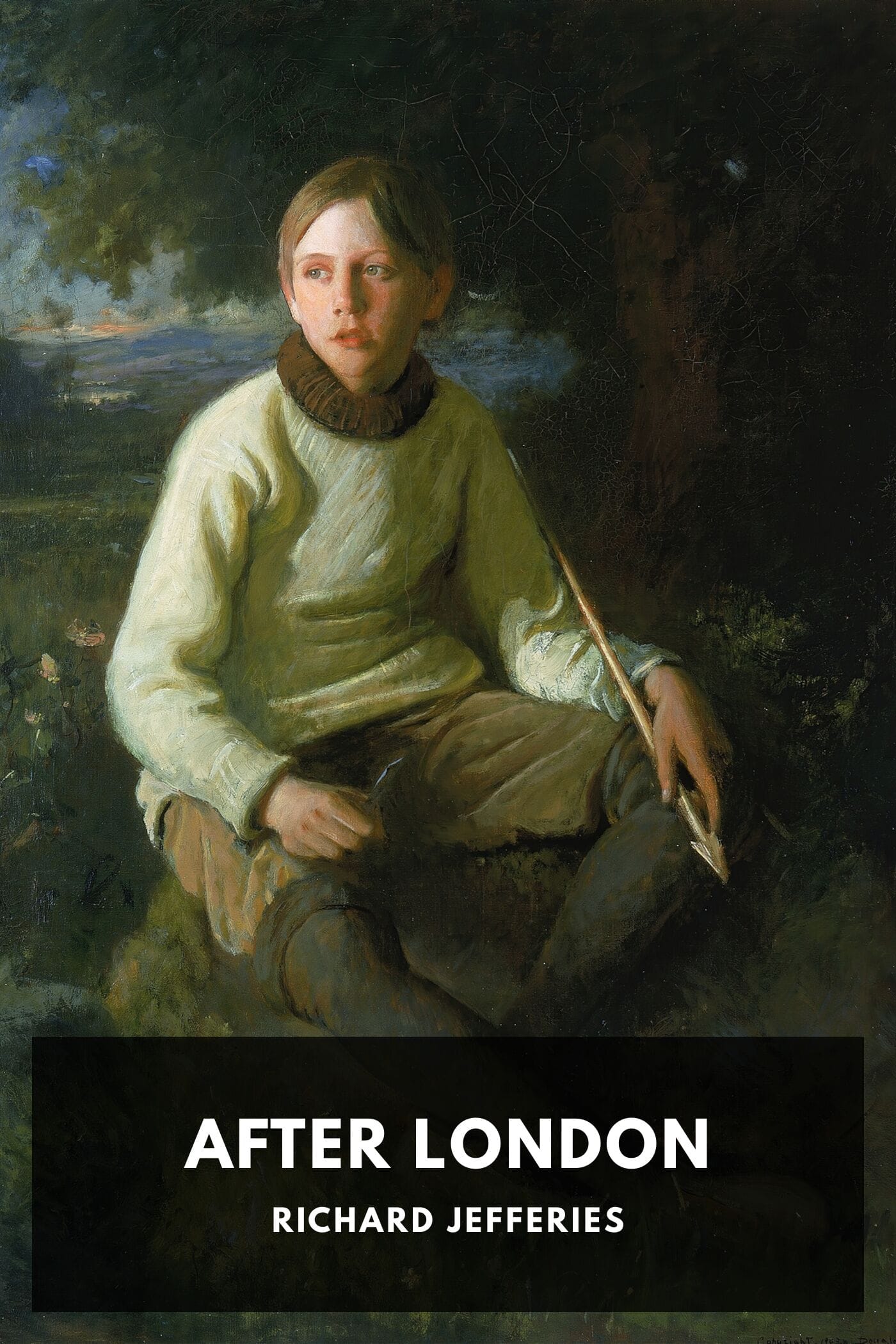
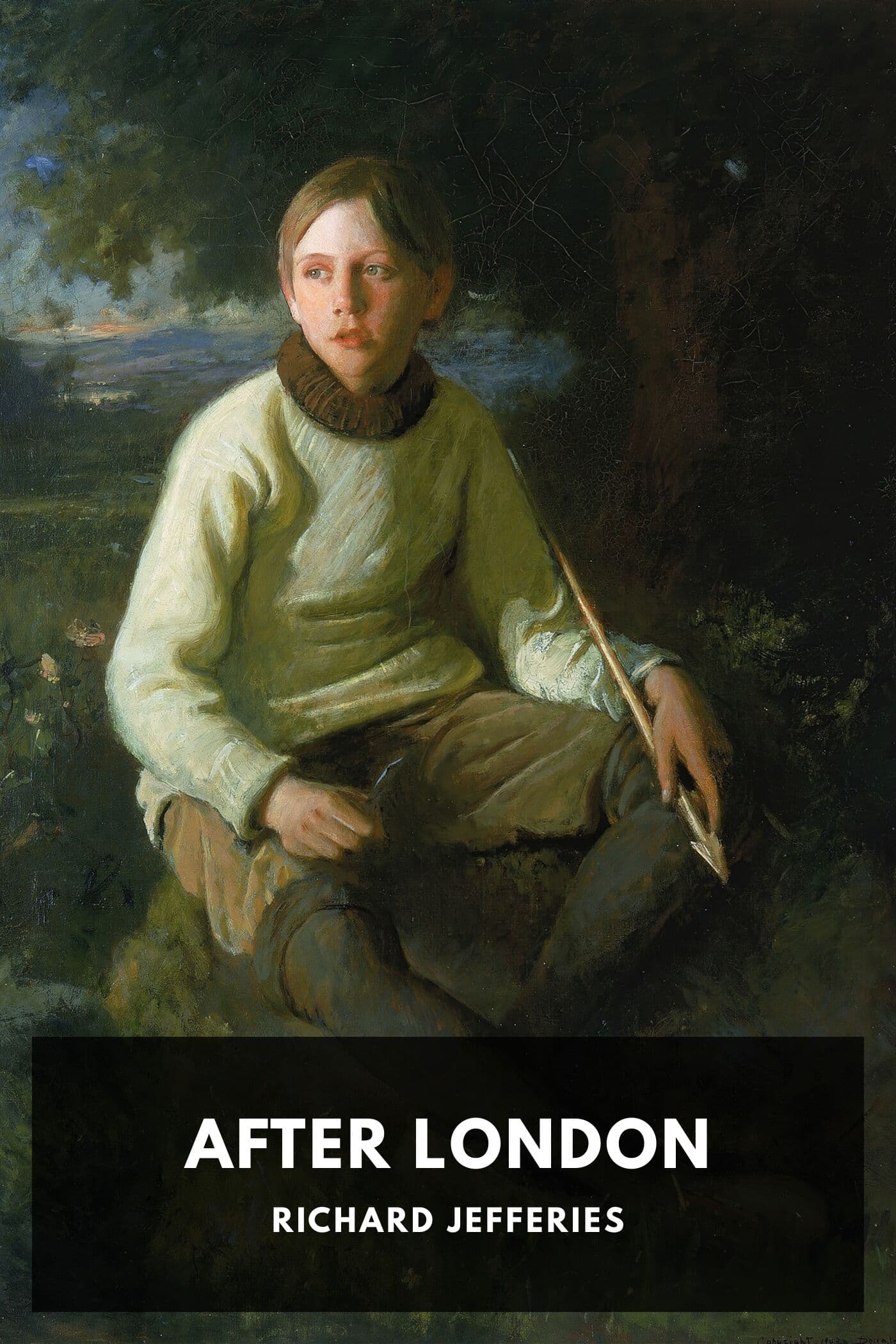
Richard Jefferies’s *After London* plunges us into a post-apocalyptic England, generations after an unspecified cataclysm has erased civilization. The once-bustling island has reverted to a wild, untamed landscape, dominated by a vast central lake and overgrown forests. Human survivors eke out a meager existence, forming petty kingdoms and corrupt republics, their knowledge of the past reduced to myth and rumor. Society has regressed to a brutal, medieval state, where wild men roam the woods and life is a constant struggle against nature and fellow man. The narrative unfolds in two distinct halves: a chilling account of the 'fall,' followed by the perilous journey of Felix, a young baron's son, as he ventures beyond the confines of his familiar world into the untamed wilderness and forgotten ruins. More than just an early foray into speculative fiction, *After London* is a haunting meditation on humanity’s fragility and nature’s enduring power. Jefferies, renowned for his nature writing, imbues the desolate landscapes with a visceral beauty, making the reclaimed wilderness as much a character as any human. Its eerie depiction of a ruined London, decades before the atomic age, feels uncannily prescient, foreshadowing the devastation of nuclear war. This prophetic vision, coupled with its blend of pastoralism and grim survivalism, profoundly influenced later utopian and dystopian works, including William Morris’s *News From Nowhere*. It's a foundational text for anyone interested in the origins of post-apocalyptic fiction and the enduring allure of a world reclaimed.
Editions


Link to this book
Add a free, dofollow link to Lex on your blog, forum, syllabus, or reading list.

<a href="https://lex-books.com/book/after-london-2c3d44e5-4a06-4a81-be55-9d3d7f7b0e19"><img src="https://lex-books.com/badges/read-on-lex.svg" alt="Read After London by Richard Jefferies free on Lex" width="160" height="40"></a>[](https://lex-books.com/book/after-london-2c3d44e5-4a06-4a81-be55-9d3d7f7b0e19)[url=https://lex-books.com/book/after-london-2c3d44e5-4a06-4a81-be55-9d3d7f7b0e19][img]https://lex-books.com/badges/read-on-lex.svg[/img][/url]Read After London by Richard Jefferies free on Lex: https://lex-books.com/book/after-london-2c3d44e5-4a06-4a81-be55-9d3d7f7b0e19Cite this book
Reading this edition for a paper or guide? Copy a citation.
Jefferies, Richard. After London. Lex, lex-books.com/book/after-london-2c3d44e5-4a06-4a81-be55-9d3d7f7b0e19.Jefferies, R. (n.d.). After London. Lex. https://lex-books.com/book/after-london-2c3d44e5-4a06-4a81-be55-9d3d7f7b0e19Jefferies, Richard. After London. Lex. https://lex-books.com/book/after-london-2c3d44e5-4a06-4a81-be55-9d3d7f7b0e19.