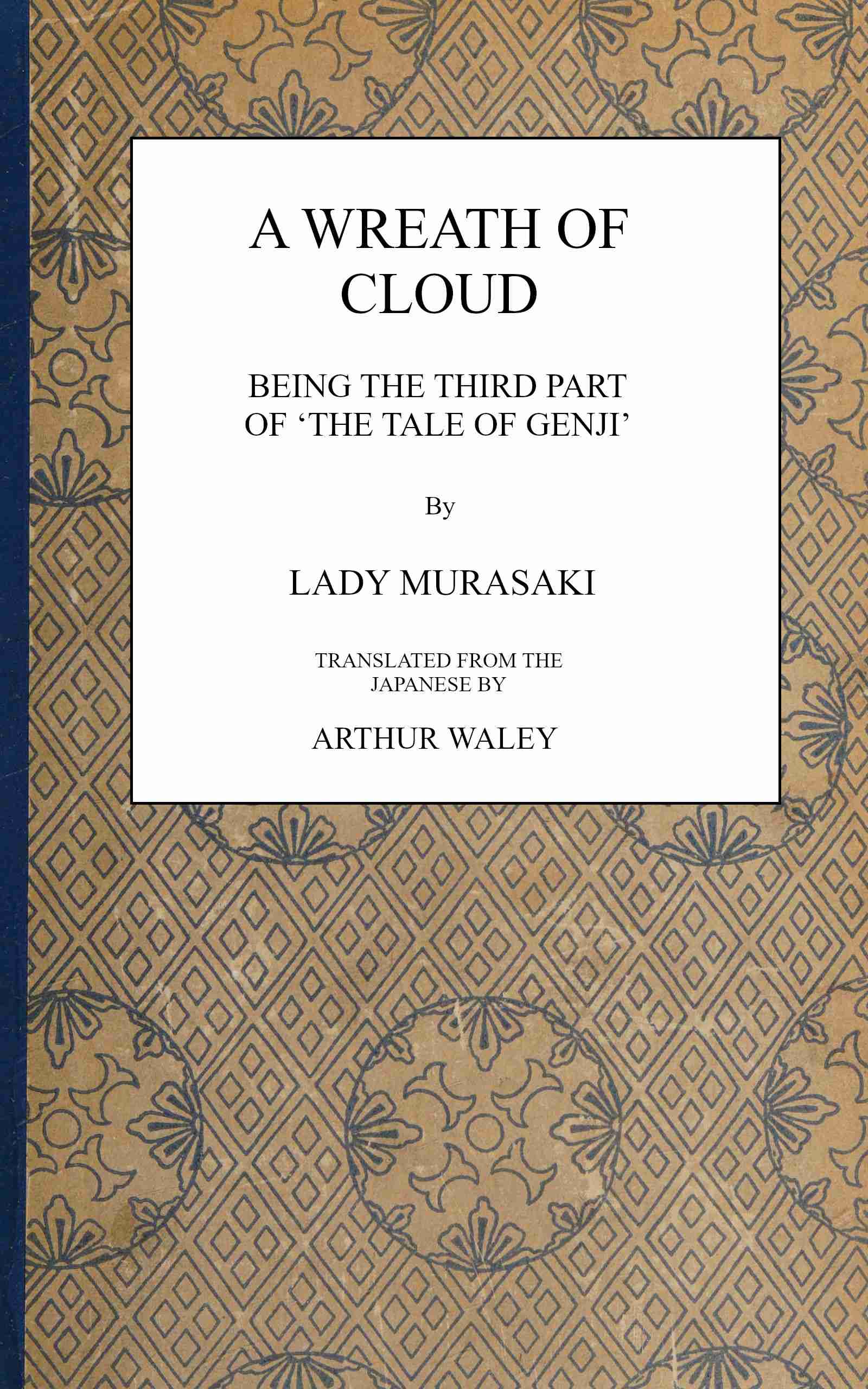
A Wreath of Cloud: Being the Third Part of 'The Tale of Genji
1927
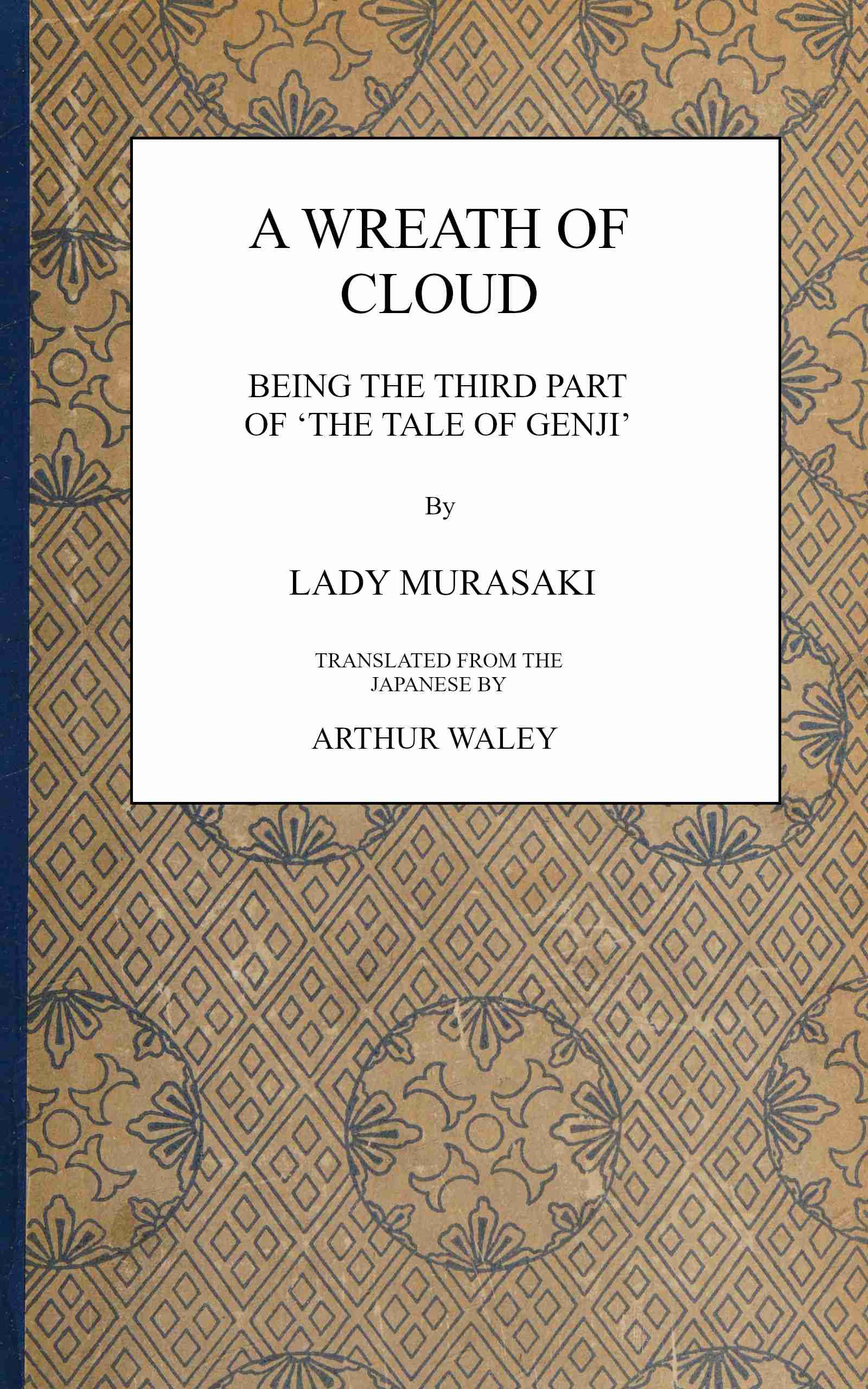
A Wreath of Cloud: Being the Third Part of 'The Tale of Genji
1927
Translated by Arthur Waley
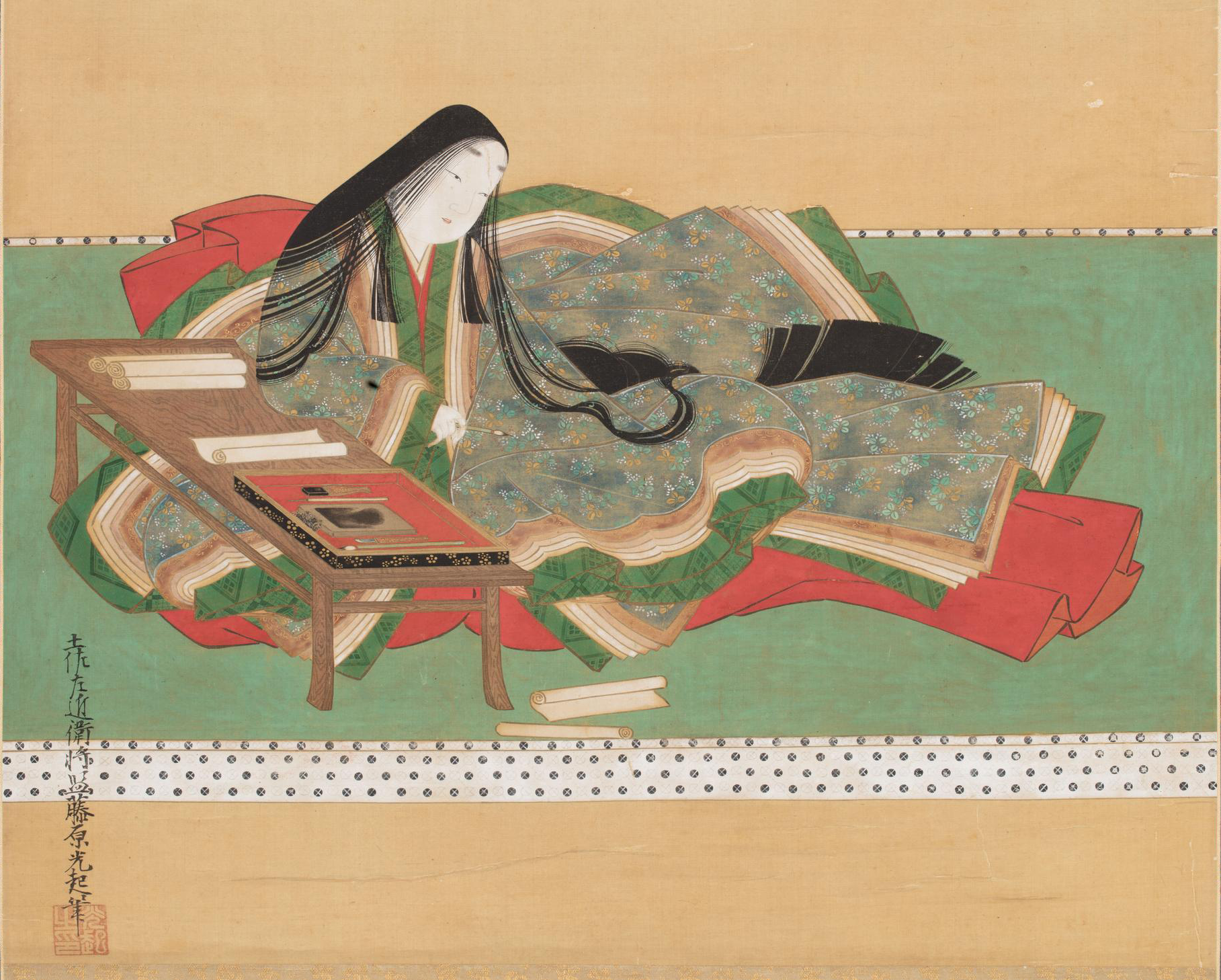
The third part of the world's first novel opens with an act of unbearable tenderness: a mother surrendering her daughter so the girl might have a future worthy of her father's name. The Lady of Akashi watches her child leave for the imperial court, knowing this sacrifice is both love and ambition, duty and destruction. This is the heart of A Wreath of Cloud - not the political machinations or the elaborate poetry recitations that fill the Heian court, but the quiet casualties of hierarchy, the wounds that honor demands. As the narrative unfolds, death stalks the palace. Secrets of birth and blood surface. Spiritual disturbances shake the court. Through it all, Genji's world, once radiant with possibility, grows shadowed by loss and the creeping awareness that even the most privileged lives cannot outpace grief. Lady Murasaki writes with psychological precision that feels modern: her characters' emotions are real, complex, and often trapped beneath the formal language society demands they speak. This is why the novel endures - it captures a civilization of breathtaking refinement where art and cruelty coexisted, and where the deepest feelings were also the most dangerous to express.
Editions

Link to this book
Add a free, dofollow link to Lex on your blog, forum, syllabus, or reading list.

<a href="https://lex-books.com/book/a-wreath-of-cloud-being-the-third-part-of-the-tale-of-genji-52f53d2e-dc8f-4b9d-964f-0b5a0944aedc"><img src="https://lex-books.com/badges/read-on-lex.svg" alt="Read A Wreath of Cloud: Being the Third Part of 'The Tale of Genji by Murasaki Shikibu free on Lex" width="160" height="40"></a>[](https://lex-books.com/book/a-wreath-of-cloud-being-the-third-part-of-the-tale-of-genji-52f53d2e-dc8f-4b9d-964f-0b5a0944aedc)[url=https://lex-books.com/book/a-wreath-of-cloud-being-the-third-part-of-the-tale-of-genji-52f53d2e-dc8f-4b9d-964f-0b5a0944aedc][img]https://lex-books.com/badges/read-on-lex.svg[/img][/url]Read A Wreath of Cloud: Being the Third Part of 'The Tale of Genji by Murasaki Shikibu free on Lex: https://lex-books.com/book/a-wreath-of-cloud-being-the-third-part-of-the-tale-of-genji-52f53d2e-dc8f-4b9d-964f-0b5a0944aedcCite this book
Reading this edition for a paper or guide? Copy a citation.
Shikibu, Murasaki. A Wreath of Cloud: Being the Third Part of 'The Tale of Genji. Lex, lex-books.com/book/a-wreath-of-cloud-being-the-third-part-of-the-tale-of-genji-52f53d2e-dc8f-4b9d-964f-0b5a0944aedc.Shikibu, M. (1927). A Wreath of Cloud: Being the Third Part of 'The Tale of Genji. Lex. https://lex-books.com/book/a-wreath-of-cloud-being-the-third-part-of-the-tale-of-genji-52f53d2e-dc8f-4b9d-964f-0b5a0944aedcShikibu, Murasaki. A Wreath of Cloud: Being the Third Part of 'The Tale of Genji. Lex. https://lex-books.com/book/a-wreath-of-cloud-being-the-third-part-of-the-tale-of-genji-52f53d2e-dc8f-4b9d-964f-0b5a0944aedc.