A Prefect's Uncle
1903
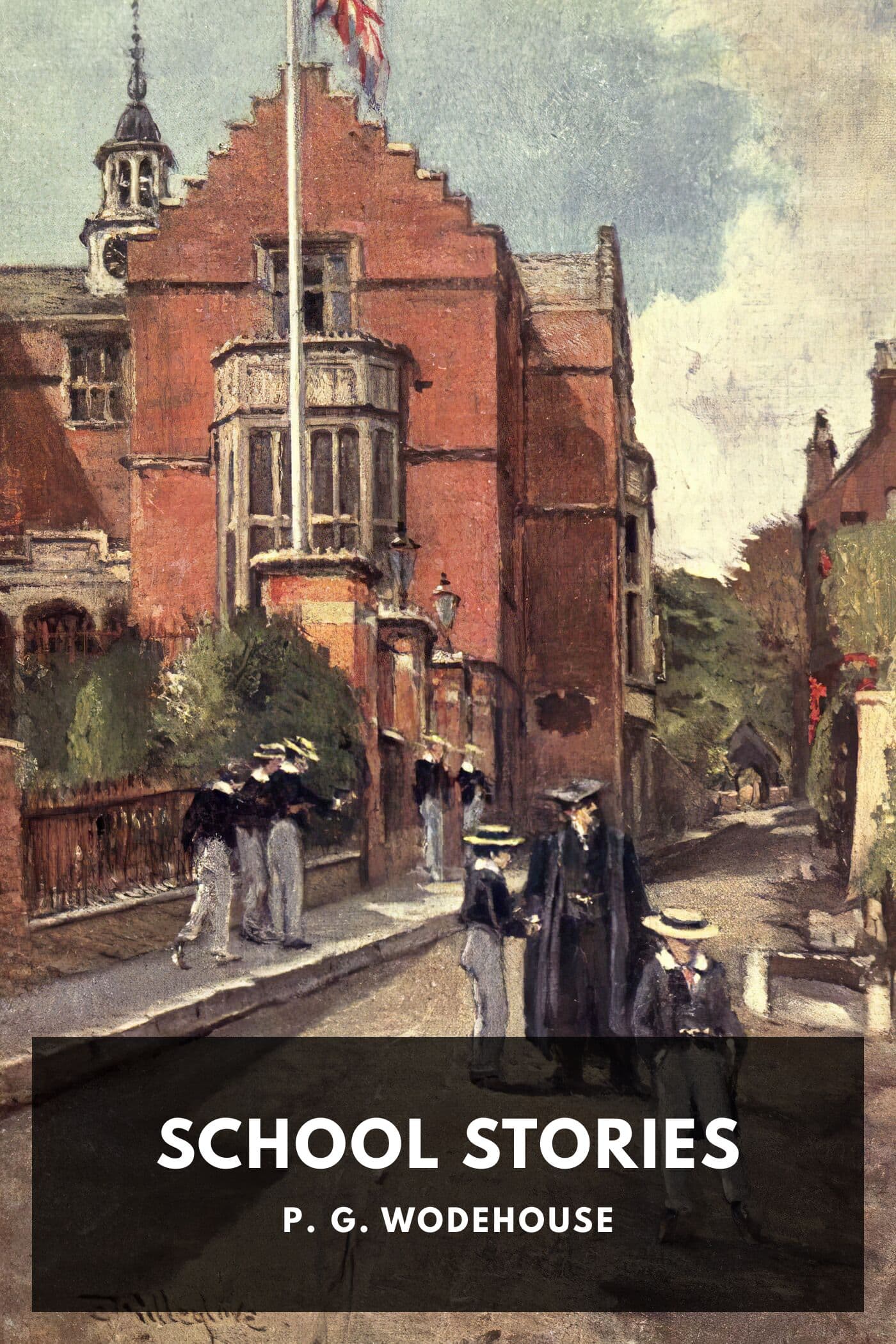
Here is the setup: Gethryn, prefect and star cricketer at Beckford College, is minding his own business when a new boy arrives. That new boy is his uncle. Farnie is eight years old, devastatingly cheeky, and absolutely determined to make his younger nephew's life interesting. What follows is a gentle battle of wills as the Bishop tries to maintain his dignity while his diminutive uncle runs rings around the entire school. Wodehouse's debut novel in the genre already displays his gift for comic observation: the dormitory politics, the cricket matches threatened by chaos, the indignity of a prefect being ordered about by someone who still needs help tying his shoelaces. It's a slight, sunny confection, but one that establishes the template Wodehouse would spend decades refining, the absurd premise played straight, the affection for eccentrics, the belief that life at an English school is inherently hilarious. For readers who want to see where the master of comic prose got his start.
Editions
X-Ray
“He's only got two sides, a bad side and a worse side,””
— P. G. Wodehouse
“His spirit was willing, but his will was not spirited.””
— P. G. Wodehouse
“About two hours afterwards Gethryn discovered a suitable retort, but, coming to the conclusion that better late than never does not apply to repartees, refrained from speaking it.””
— P. G. Wodehouse
“Nobody ever wants to do anything except what they are not allowed to do.””
— P. G. Wodehouse
“There was a moment's suspense while Conscience and Sheer Wickedness fought the matter out inside him, and then Conscience, which had started on the encounter without enthusiasm, being obviously flabby and out of condition, threw up the sponge.””
— P. G. Wodehouse
“To say that the farmer laughed would be to express the matter feebly. That his young opponent, who had been irritating him unspeakably since the beginning of the game with advice and criticism, should have done exactly what he had cautioned him, the farmer, against a moment before, struck him as being the finest example of poetic justice he had ever heard of, and he signalized his appreciation of the same by nearly dying of apoplexy.””
— P. G. Wodehouse
Link to this book
Add a free, dofollow link to Lex on your blog, forum, syllabus, or reading list.

<a href="https://lex-books.com/book/a-prefect-s-uncle-5e6d4b86-ea1e-4488-be9e-c0806f3a2dc5"><img src="https://lex-books.com/badges/read-on-lex.svg" alt="Read A Prefect's Uncle by P. G. Wodehouse free on Lex" width="160" height="40"></a>[](https://lex-books.com/book/a-prefect-s-uncle-5e6d4b86-ea1e-4488-be9e-c0806f3a2dc5)[url=https://lex-books.com/book/a-prefect-s-uncle-5e6d4b86-ea1e-4488-be9e-c0806f3a2dc5][img]https://lex-books.com/badges/read-on-lex.svg[/img][/url]Read A Prefect's Uncle by P. G. Wodehouse free on Lex: https://lex-books.com/book/a-prefect-s-uncle-5e6d4b86-ea1e-4488-be9e-c0806f3a2dc5Cite this book
Reading this edition for a paper or guide? Copy a citation.
Wodehouse, P. G.. A Prefect's Uncle. Lex, lex-books.com/book/a-prefect-s-uncle-5e6d4b86-ea1e-4488-be9e-c0806f3a2dc5.Wodehouse, P. G. (1903). A Prefect's Uncle. Lex. https://lex-books.com/book/a-prefect-s-uncle-5e6d4b86-ea1e-4488-be9e-c0806f3a2dc5Wodehouse, P. G.. A Prefect's Uncle. Lex. https://lex-books.com/book/a-prefect-s-uncle-5e6d4b86-ea1e-4488-be9e-c0806f3a2dc5.