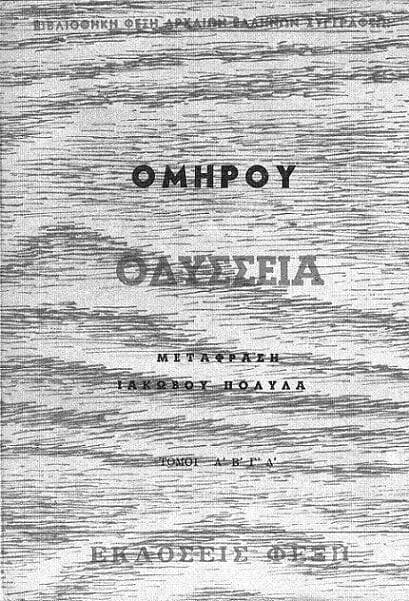
Φαίδρος
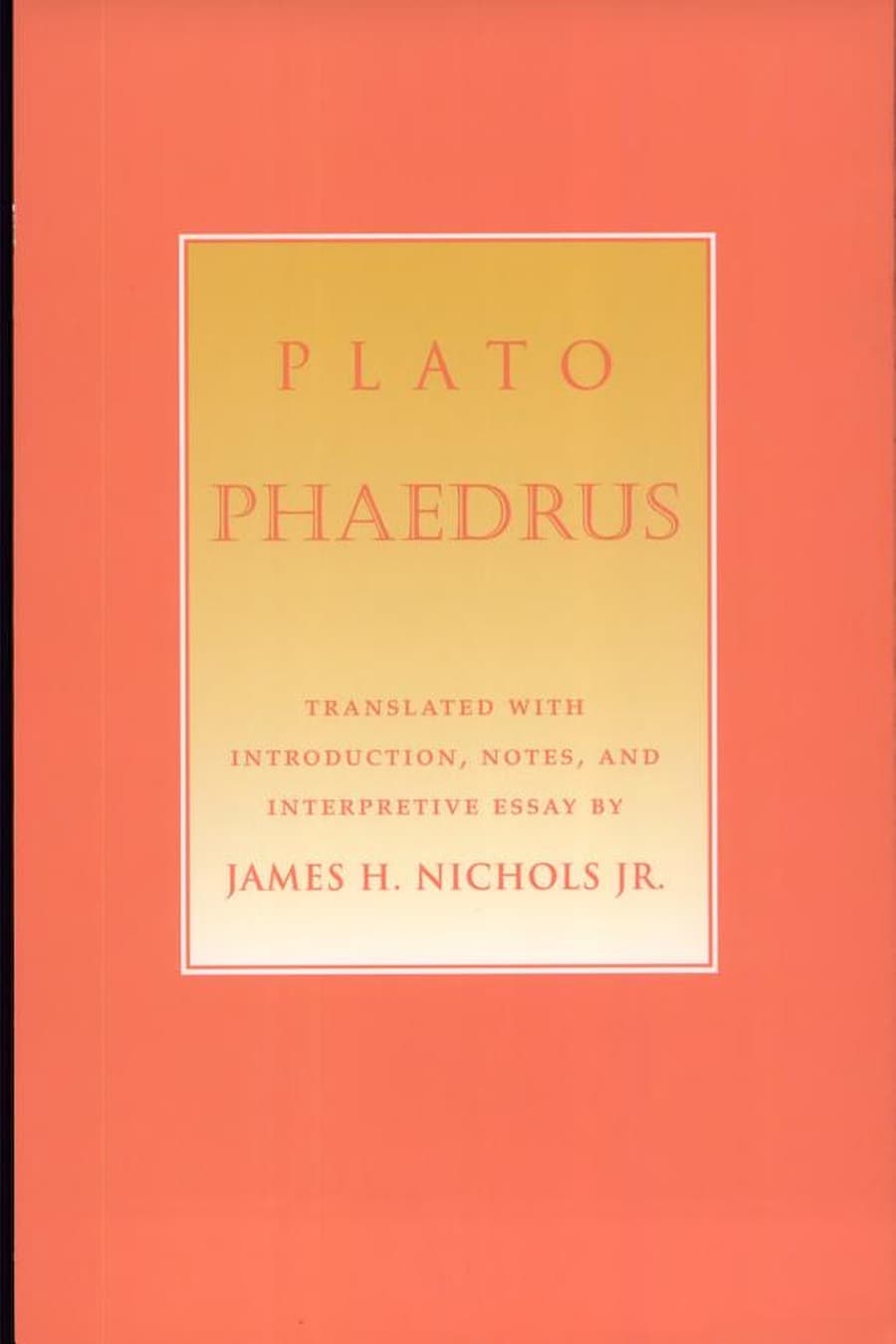
Φαίδρος, written by Plato in the 4th century BC, is a philosophical dialogue that explores themes of love, rhetoric, and the nature of the soul. The conversation primarily between Socrates and Phaedrus begins with a discussion of a speech by Lysias, which leads to a critique of Lysias's argument that the beloved should prefer the non-lover. Socrates counters this view by delving into a deeper exploration of love and beauty, emphasizing the importance of philosophical inquiry in understanding truth and excellence in rhetoric. This work is notable for its early examination of rhetorical ethics and the interplay between love and persuasion.
Editions
X-Ray
“There is also a third kind of madness, which is possession by the Muses, enters into a delicate and virgin soul, and there inspiring frenzy, awakens lyric....But he, who, not being inspired and having no touch of madness in his soul, comes to the door and thinks he will get into the temple by the help of art--he, I say, and his poetry are not admitted; the sane man is nowhere at all when he enters into rivalry with the madman.””
— Plato
“It is our duty to select the best and most dependable theory that human intelligence can supply, and use it as a raft to ride the seas of life.””
— Plato
“[T]hose who practice philosophy in the right way are in training for dying and they fear death least of all men.””
— Plato
“if you are willing to reflect on the courage and moderation of other people, you will find them strange...they all consider death a great evil...and the brave among them face death, when they do, for fear of greater evils...therefore, it is fear and terror that make all men brave, except for philosophers. yet it is illogical to be brave through fear and cowardice...what of the moderate among them? is their experience not similar?...they master certain pleasures because they are mastered by others...i fear this is not the right exchange to attain virtue, to exchange pleasures for pleasures, pains for pains, and fears for fears, the greater for the less like coins, but that they only valid currency for which all these things should be exchanged is wisdom.””
— Plato
“For as there are misanthropists, or haters of men, there are also misologists, or haters of ideas, and both spring from the same cause, which is ignorance of the world.””
— Plato
“Other people are likely not to be aware that those who pursue philosophy aright study nothing but dying and being dead. Now if this is true, it would be absurd to be eager for nothing but this all their lives, and then to be troubled when that came for which they had all along been eagerly practicing.””
— Plato
“Wars and revolutions and battles, you see, are due simply and solely to the body and its desires. All wars are undertaken for the acquisition of wealth; and the reason why we have to acquire wealth is the body, because we are slaves in its service.””
— Plato
“The wise man will want to be ever with him who is better than himself.””
— Plato
“....I am inclined to think that these muscles and bones of mine would have gone off long ago to Megara or Boeotia”
— Plato
Link to this book
Add a free, dofollow link to Lex on your blog, forum, syllabus, or reading list.

<a href="https://lex-books.com/book/-c8f24a31-d5db-4258-8a36-9deeefa0d242"><img src="https://lex-books.com/badges/read-on-lex.svg" alt="Read Φαίδρος by Plato free on Lex" width="160" height="40"></a>[](https://lex-books.com/book/-c8f24a31-d5db-4258-8a36-9deeefa0d242)[url=https://lex-books.com/book/-c8f24a31-d5db-4258-8a36-9deeefa0d242][img]https://lex-books.com/badges/read-on-lex.svg[/img][/url]Read Φαίδρος by Plato free on Lex: https://lex-books.com/book/-c8f24a31-d5db-4258-8a36-9deeefa0d242Cite this book
Reading this edition for a paper or guide? Copy a citation.
Plato. Φαίδρος. Lex, lex-books.com/book/-c8f24a31-d5db-4258-8a36-9deeefa0d242.Plato (n.d.). Φαίδρος. Lex. https://lex-books.com/book/-c8f24a31-d5db-4258-8a36-9deeefa0d242Plato. Φαίδρος. Lex. https://lex-books.com/book/-c8f24a31-d5db-4258-8a36-9deeefa0d242.