What would you like to read?Search books, authors, genres, shelves, users...
Search books, authors, genres, shelves, users...Search books, authors, genres, shelves, users...

What would you like to read?Search books, authors, genres, shelves, users...
Search books, authors, genres, shelves, users...Search books, authors, genres, shelves, users...
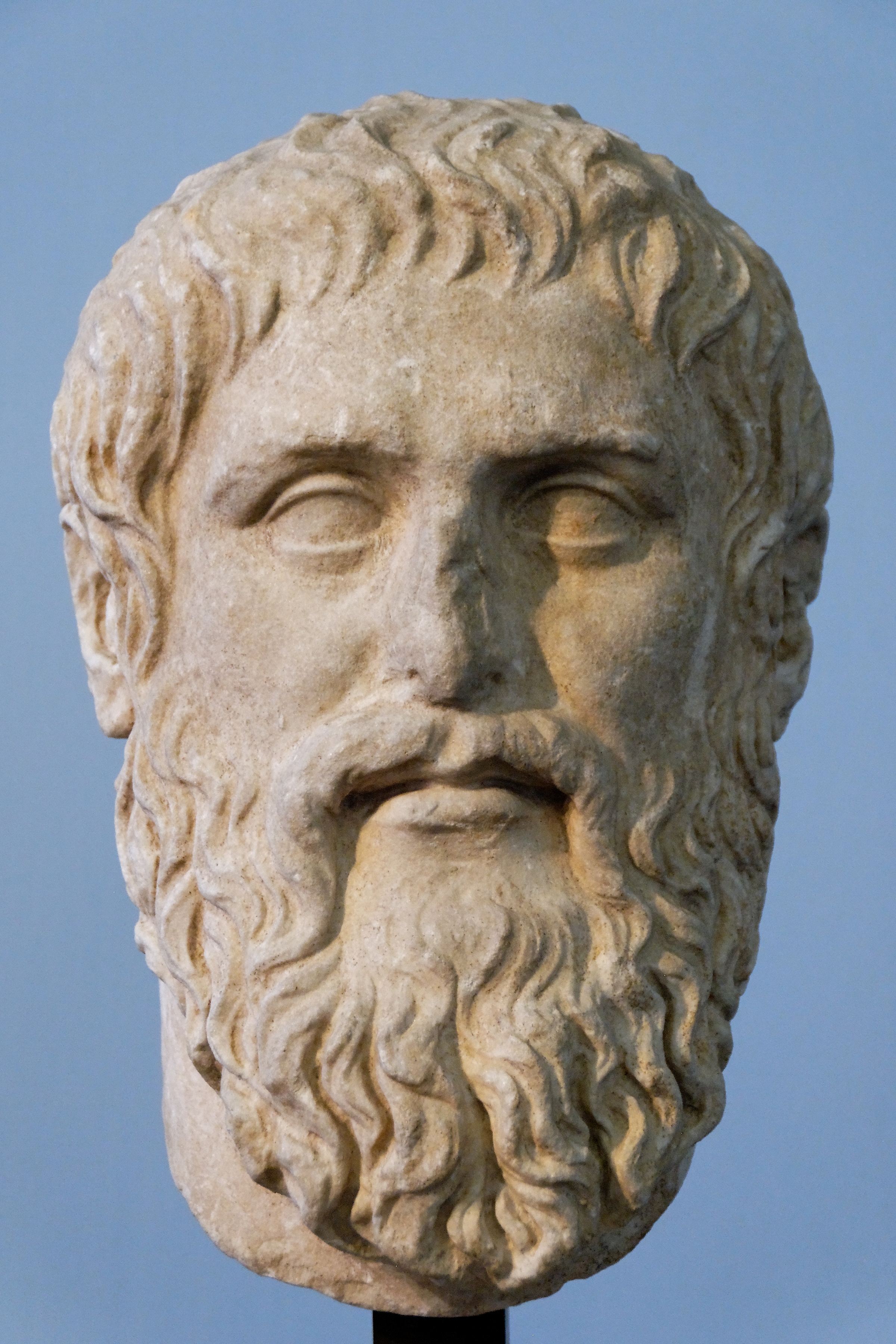
428? BC-348? BC
No author biography available.

2000
Plato
2000
Translated by Aristeidis, 1851- Harokopos
A philosophical dialogue likely written in the 4th century BC. The text explores themes of ethics, virtue, and the nature of political knowledge, primarily through the interaction between Socrates and Protagoras, the renowned sophist. This work delves into whether virtue can be taught and discusses the differences between sophistry and true wisdom. The opening of ''Πρωταγόρας'' introduces us to Socrates and a young man named Hippocrates, who urgently seeks to meet Protagoras, an acclaimed sophist who has just arrived in Athens. Hippocrates is eager to learn from Protagoras and wishes to become a sophist himself. Their conversation reveals Socrates's skepticism regarding the nature of sophistry and virtue, leading to discussions about whether political skills can truly be taught. As they arrive at Protagoras's location, Socrates begins to question Hippocrates about the implications of studying under a sophist, highlighting the significant responsibility of entrusting one's moral education to such a teacher.