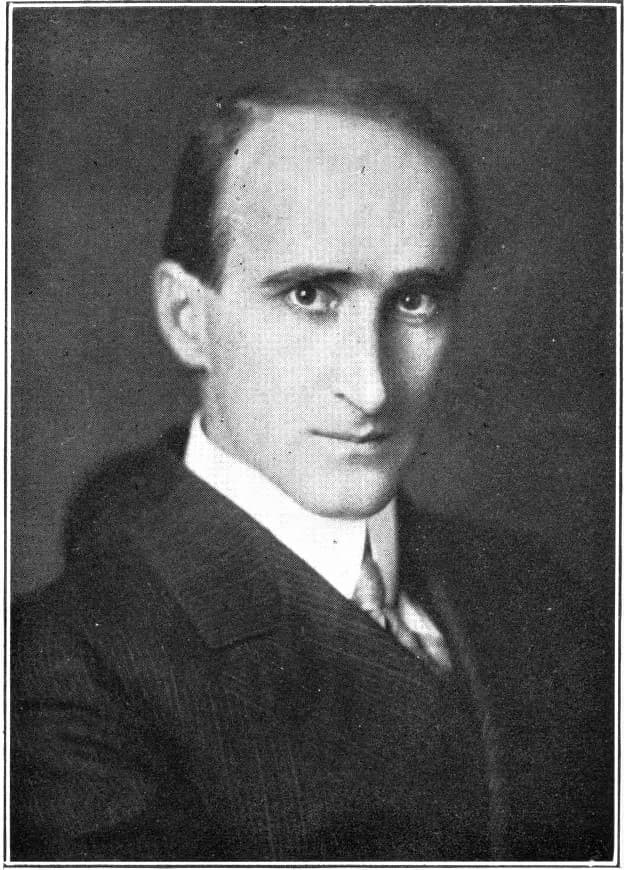
Wilson MacDonald
Wilson Pugsley MacDonald was a prominent Canadian poet celebrated for his engaging performances and ability to connect with audiences through his readings. Born in 1880, he gained significant popularity in the 1920s, often overshadowing contemporaries like Robert Service and Pauline Johnson. MacDonald was not only a skilled poet but also a masterful orator, which allowed him to sustain a living solely through his poetry, a remarkable feat for a writer of his time. His works often reflected themes of nature, love, and the Canadian landscape, resonating deeply with his audience. MacDonald's literary significance lies in his ability to bridge the gap between poetry and performance, making poetry accessible and enjoyable for the masses. His notable collections, including "The Road to Yesterday" and "The Book of the Seasons," showcased his lyrical style and deep appreciation for the natural world. While his fame waned in the decades following his peak, his contributions to Canadian literature and his role in popularizing poetry through public readings left a lasting impact on the literary community. MacDonald’s legacy endures as a testament to the power of poetry in connecting people and expressing the human experience.
Famous Quotes
View all 2 quotes“There had been comments in the press on my physical appearance from the moment our career started. As a woman in the male-dominated world of rock ’n’ roll, I knew it came with job, but it wasn’t easy to live with. Whether it was criticism of how much I weighed, or lustful comments about how “sexy” I was, they were always disturbing because they weren’t about our music. When I was the thinnest in my life, during the first few years of Heart, there were times I was still called “chubby” in the press. You couldn’t be too thin, too young, or too good-looking if you were a woman in music. The standards were entirely different for any man in rock ’n’ roll. John Bonham could go onstage with a three-month beard, unshowered for weeks, fucked up, shirtless, and have the confidence that the only thing that would be written about him was how he played the drums. As a woman, I lived in a different world. It was a world where I was judged constantly, on and offstage. Patrick MacDonald was right. I had gained weight, although not much at that point, but the show he reviewed was often cited by fans as our most energetic that year. He had the right to think our show sucked, but even if it did, was it fair for him to blame it on my “tight-fitting black dress”?””
“A free-lance writer can obviously work any hours, but the very successful (and very excellent) John D. MacDonald said in a recent interview that he always writes from nine to five, because it seems “natural” to him. The factory time-clock has gotten into MacDonald’s neurons. The present author, after 20 years in factory-like offices works any hours of the day or night when “the spirit” moves him, but never starts at nine or stops at five, to avoid relapsing into the habits of his past. ~•~””
Books from the author


Link to this page
Add a free, dofollow link to Lex on your blog, forum, syllabus, or reading list.

<a href="https://lex-books.com/author/wilson-macdonald"><img src="https://lex-books.com/badges/read-on-lex.svg" alt="Wilson MacDonald on Lex" width="160" height="40"></a>[](https://lex-books.com/author/wilson-macdonald)[url=https://lex-books.com/author/wilson-macdonald][img]https://lex-books.com/badges/read-on-lex.svg[/img][/url]Wilson MacDonald on Lex: https://lex-books.com/author/wilson-macdonald