
William W. Sanger
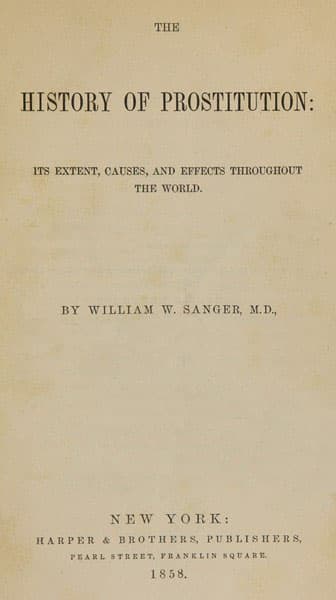
William W. Sanger was an influential figure in the 19th century, known primarily for his work as a physician and a pioneering advocate for women's reproductive rights. He was a prominent supporter of birth control and played a crucial role in the early feminist movement, emphasizing the importance of women's autonomy over their bodies. Sanger's notable work, 'The History of Prostitution,' published in 1858, examined the social and moral implications of prostitution, shedding light on the plight of women in society and advocating for reform. His writings and activism contributed to the broader discourse on women's rights and reproductive health during a time when such topics were often considered taboo. Sanger's legacy is marked by his commitment to social justice and his efforts to challenge the prevailing norms of his time. By addressing issues related to sexuality, health, and women's rights, he laid the groundwork for future generations of activists and reformers. His contributions to the birth control movement and his advocacy for women's health remain significant, influencing both contemporary discussions and policies surrounding reproductive rights. Sanger's work continues to be recognized as a vital part of the history of women's rights in America.
Books from the author






Link to this page
Add a free, dofollow link to Lex on your blog, forum, syllabus, or reading list.

<a href="https://lex-books.com/author/william-w-sanger"><img src="https://lex-books.com/badges/read-on-lex.svg" alt="William W. Sanger on Lex" width="160" height="40"></a>[](https://lex-books.com/author/william-w-sanger)[url=https://lex-books.com/author/william-w-sanger][img]https://lex-books.com/badges/read-on-lex.svg[/img][/url]William W. Sanger on Lex: https://lex-books.com/author/william-w-sanger