William Playfair
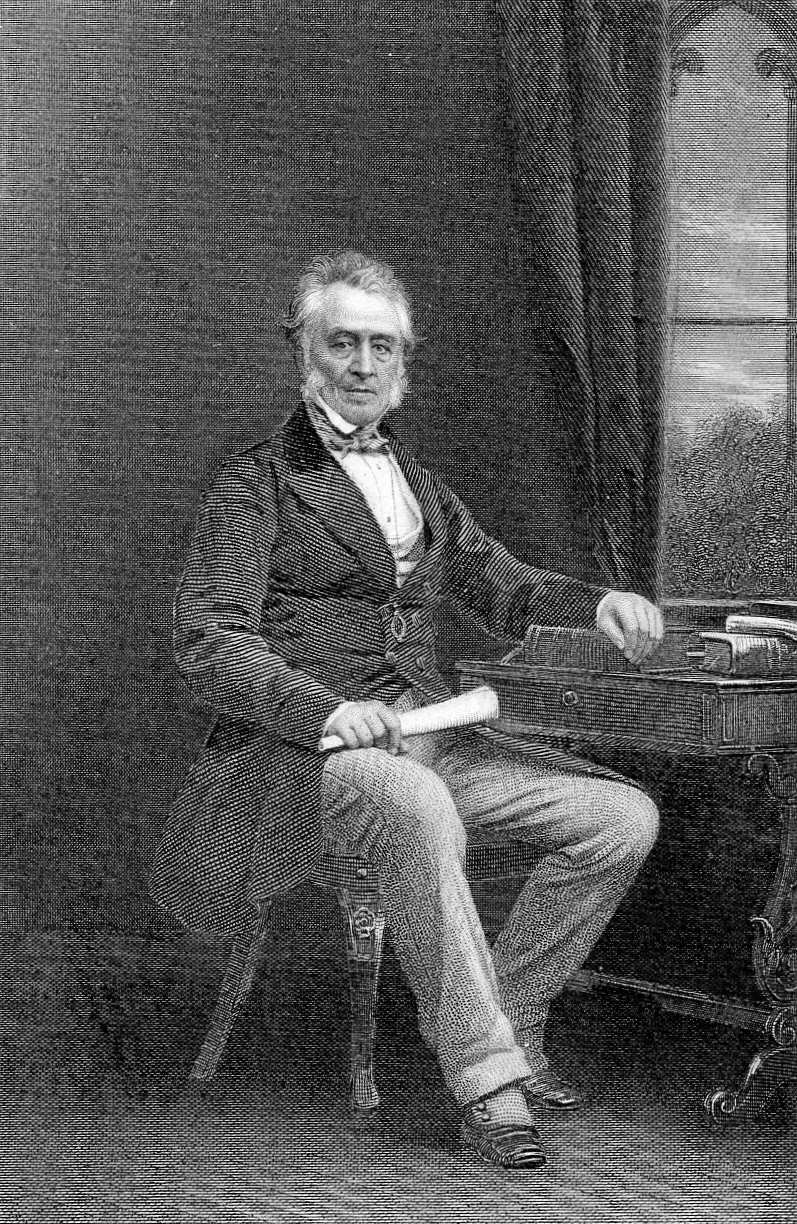
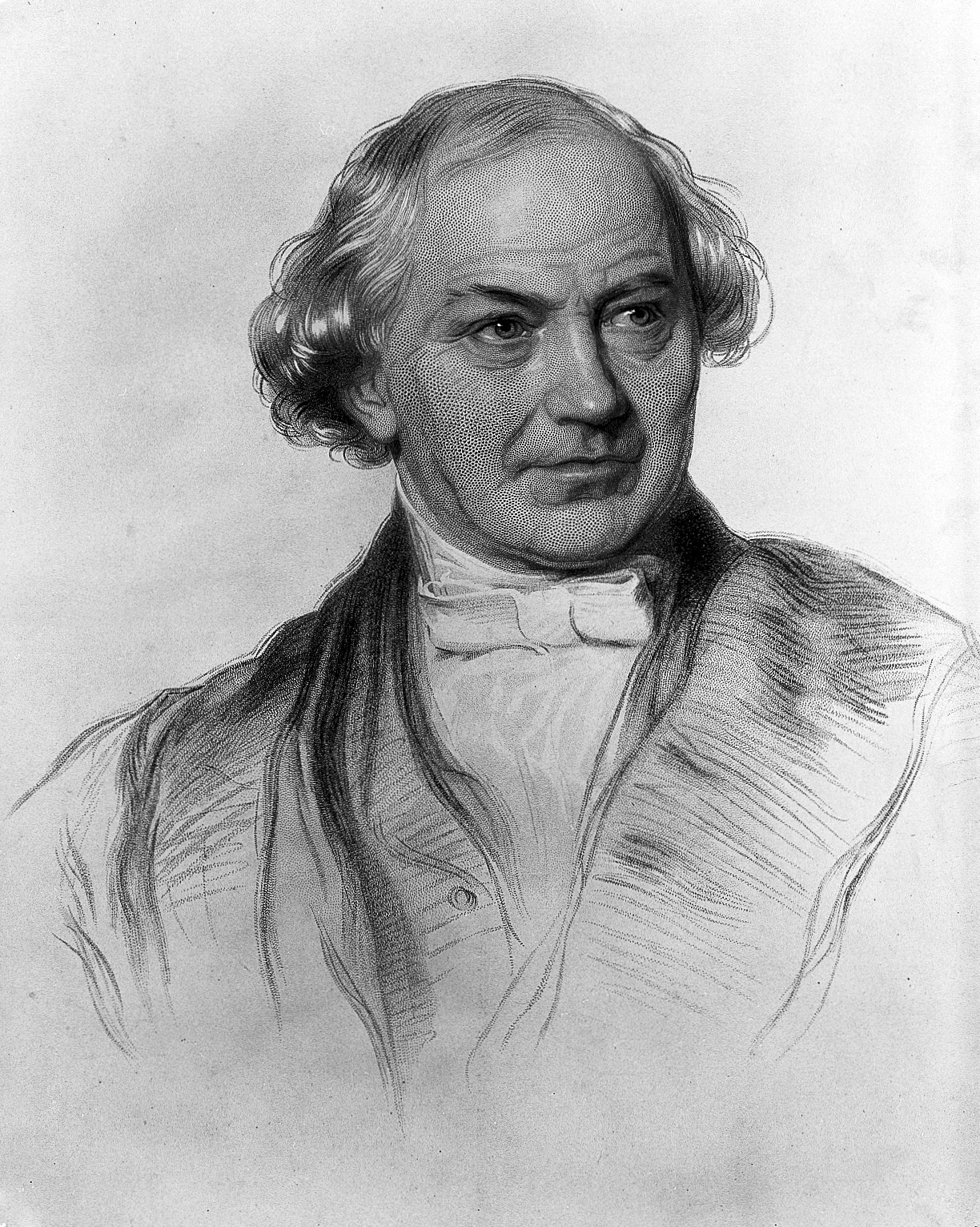
William Playfair was a pioneering Scottish engineer and political economist, renowned for his groundbreaking contributions to the field of statistics. He is credited with inventing various graphical methods that transformed the presentation of economic data. In 1786, Playfair introduced the line, area, and bar charts, which provided a visual means to analyze and interpret complex information. His innovative spirit continued into the 19th century when he published the first known pie chart and circle graph in 1801, effectively illustrating part-whole relationships in data. These inventions laid the foundation for modern data visualization techniques, making statistical information more accessible and comprehensible. Beyond his contributions to statistics, Playfair's life was marked by intrigue, as he was reportedly involved as a secret agent for the British Government, a claim that has sparked some controversy among historians. His work not only influenced the fields of economics and statistics but also left a lasting legacy on how data is communicated. Playfair's diagrams are still widely used today, underscoring his significance in the evolution of statistical representation and analysis.
Famous Quotes
View all 1 quotes“Wealth and power have never been long permanent in any place…. [T]hey travel over the face of the earth, something like a caravan of merchants. On their arrival everything is found green and fresh; while they remain, all is bustle and abundance, and, when gone, all is left trampled down, barren, and bare. William Playfair1””
Books from the author







Link to this page
Add a free, dofollow link to Lex on your blog, forum, syllabus, or reading list.

<a href="https://lex-books.com/author/william-playfair"><img src="https://lex-books.com/badges/read-on-lex.svg" alt="William Playfair on Lex" width="160" height="40"></a>[](https://lex-books.com/author/william-playfair)[url=https://lex-books.com/author/william-playfair][img]https://lex-books.com/badges/read-on-lex.svg[/img][/url]William Playfair on Lex: https://lex-books.com/author/william-playfair