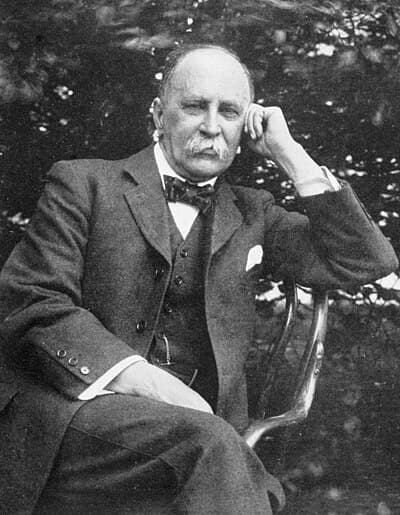
William Osler
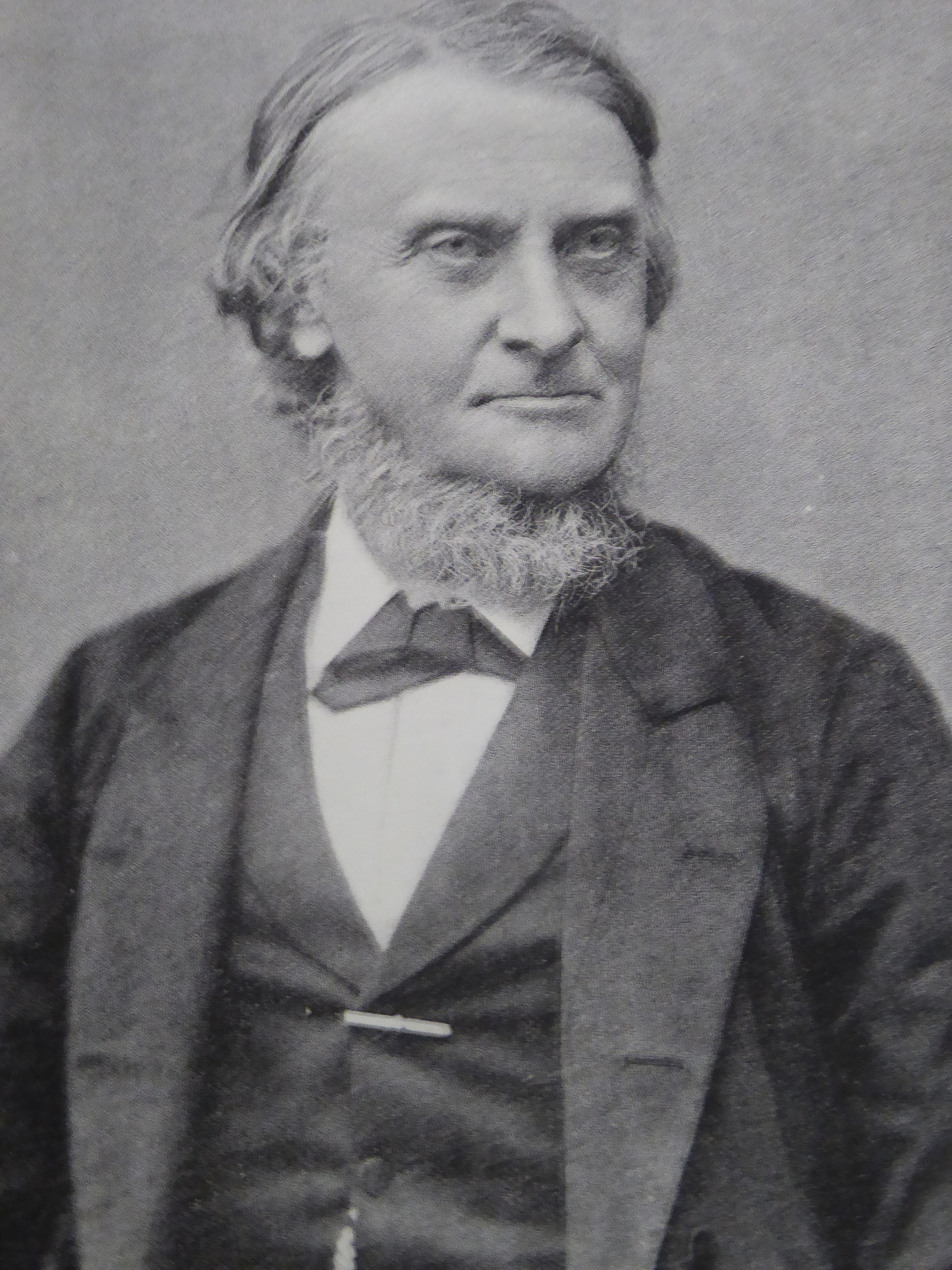
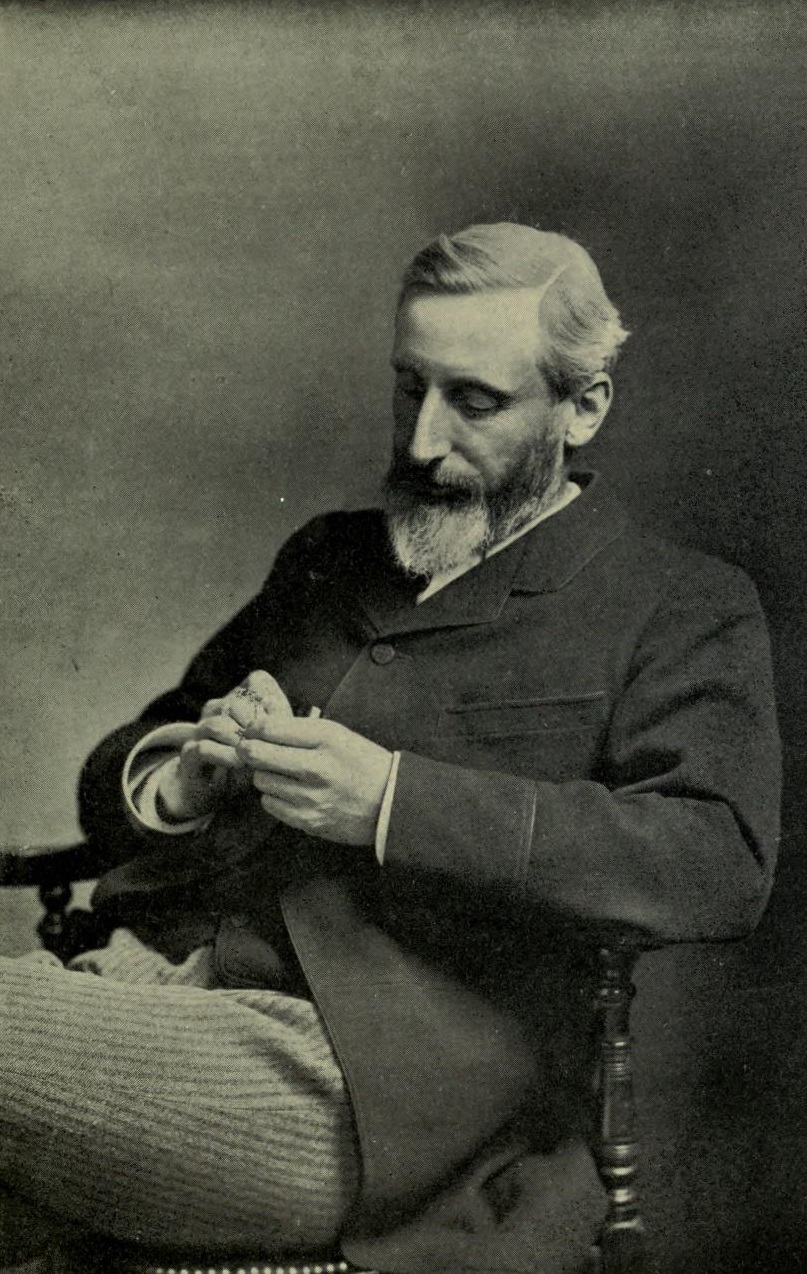
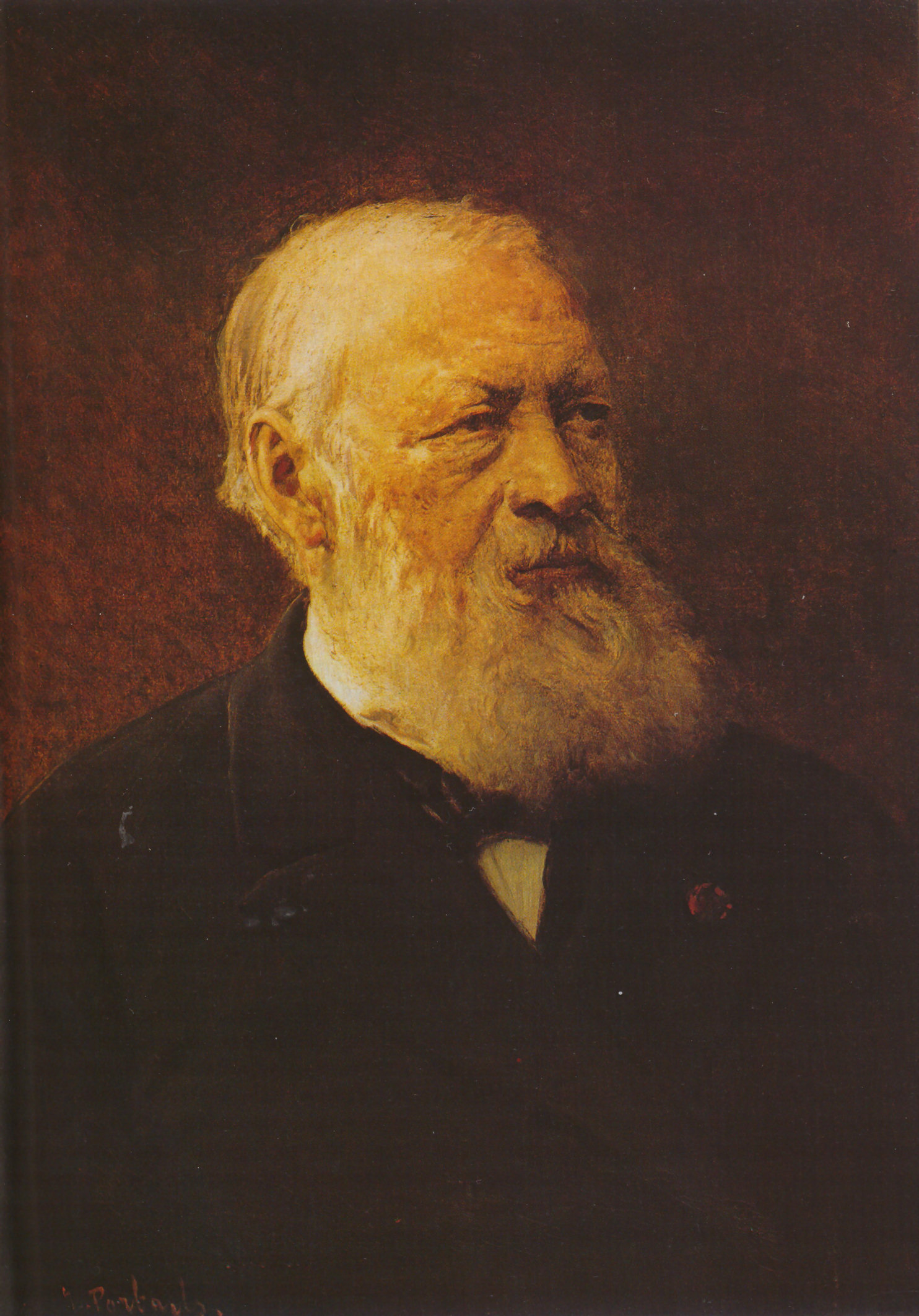
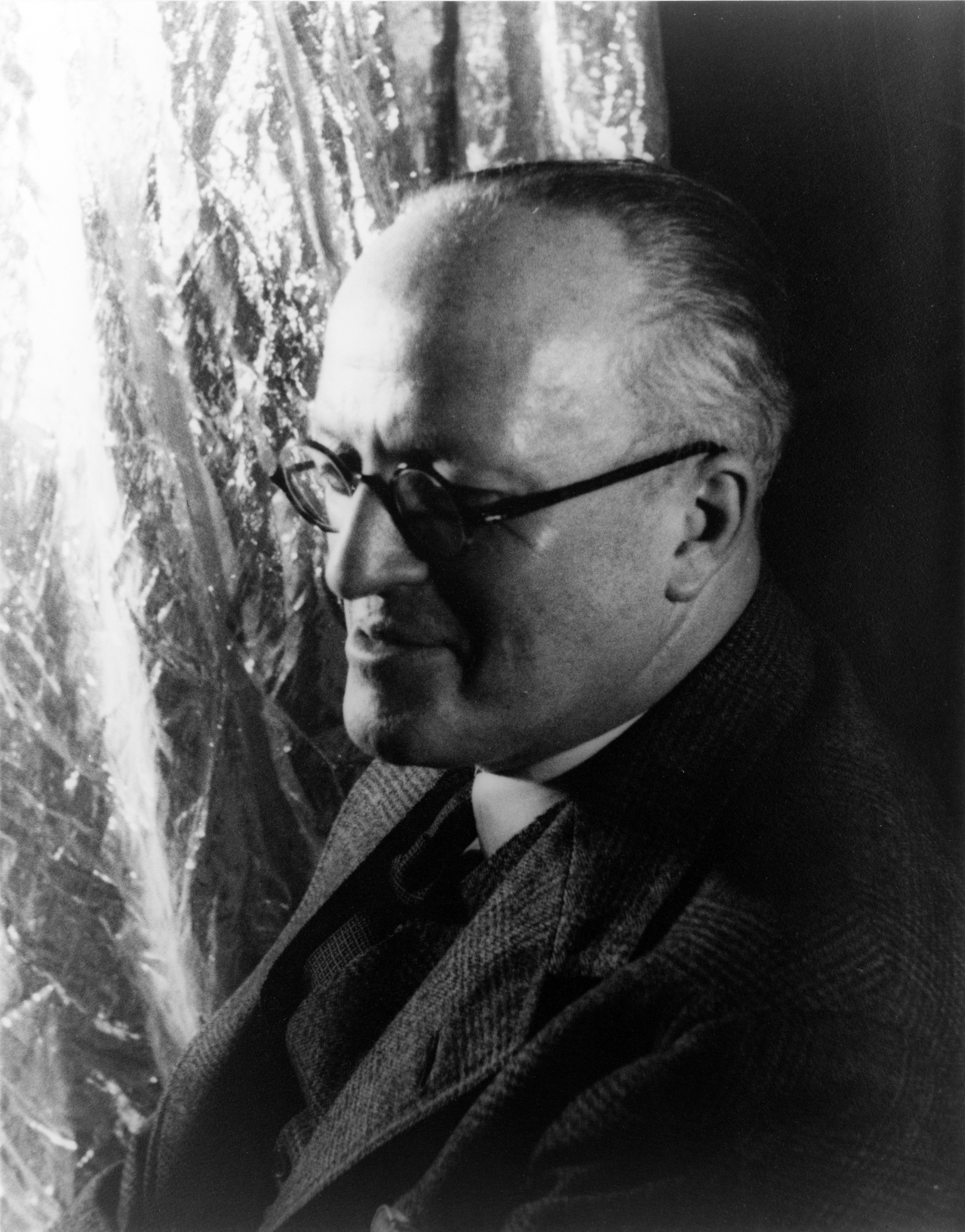
William Osler was a pioneering physician and medical educator, often referred to as the 'Father of Modern Medicine.' Born in Canada, he played a crucial role in transforming medical education in North America and was instrumental in establishing the Johns Hopkins Hospital and its medical school. Osler's approach emphasized the importance of clinical experience and bedside teaching, which became foundational principles in medical training. His belief in the value of patient-centered care and the integration of science with the art of medicine set new standards for future generations of physicians. Osler was also a prolific writer and his works, including 'The Principles and Practice of Medicine' and 'Aequanimitas,' reflect his deep understanding of both the science and the human aspects of medicine. His essays and lectures often combined humor with profound insights, making complex medical concepts accessible. Osler's legacy endures not only through his contributions to medical education but also through the Osler Library of the History of Medicine at McGill University, which houses a vast collection of medical literature. His influence is still felt today, as he inspired a more humane and compassionate approach to healthcare, emphasizing the importance of the doctor-patient relationship.
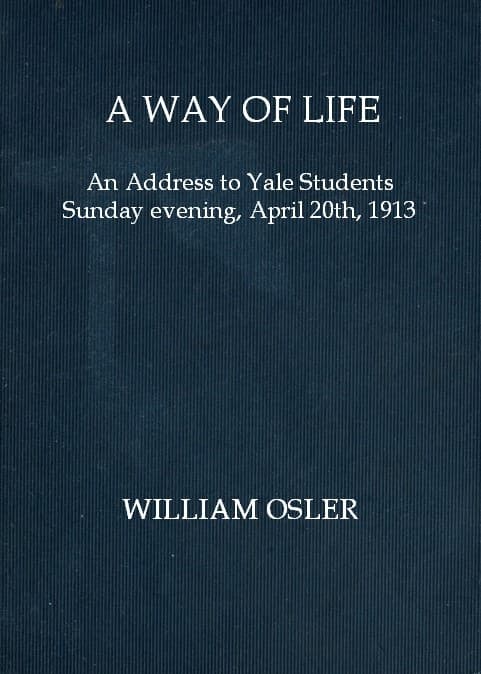
Books from the author


Link to this page
Add a free, dofollow link to Lex on your blog, forum, syllabus, or reading list.

<a href="https://lex-books.com/author/william-osler"><img src="https://lex-books.com/badges/read-on-lex.svg" alt="William Osler on Lex" width="160" height="40"></a>[](https://lex-books.com/author/william-osler)[url=https://lex-books.com/author/william-osler][img]https://lex-books.com/badges/read-on-lex.svg[/img][/url]William Osler on Lex: https://lex-books.com/author/william-osler