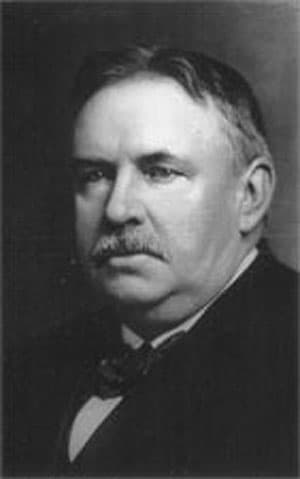
William Milligan Sloane
William Milligan Sloane was an influential American educator and historian known for his significant contributions to the study of American history and literature. He served as a professor at Columbia University, where he shaped the minds of many students and helped to elevate the standards of historical scholarship in the United States. Sloane's academic work was characterized by a rigorous approach to historical analysis, and he was particularly noted for his ability to connect historical events with broader cultural and social themes. Among his notable works, Sloane authored 'The Life of Napoleon Bonaparte,' which provided a comprehensive examination of the French leader's life and impact on history. His writings often reflected a deep understanding of the complexities of historical narratives, and he was recognized for his ability to engage readers with compelling storytelling. Sloane's legacy endures through his contributions to historical education and his role in shaping the field of American historiography, influencing both his contemporaries and future generations of historians.
Famous Quotes
View all 2 quotes“With only the dimmest memories of a high-school course or two in general science, they find themselves confronting dialog which seems largely derived from the frontiers of theoretical physics and a group of characters who might, conceivably, enjoy chatting with Albert Einstein, but certainly no one less advanced. A few pages of all this obscurity and the hapless first reader ... closes the magazine or book ... and abandons the field to the children ...”
“The Corsican nobleman di Buonaparte was now entirely transformed into the French general Bonaparte. The process had been long and difficult: loyal Corsican; mercenary cosmopolitan, ready as an expert artillery officer for service in any land or under any banner; lastly, Frenchman, liberal, and revolutionary.”
Books from the author





Link to this page
Add a free, dofollow link to Lex on your blog, forum, syllabus, or reading list.

<a href="https://lex-books.com/author/william-milligan-sloane"><img src="https://lex-books.com/badges/read-on-lex.svg" alt="William Milligan Sloane on Lex" width="160" height="40"></a>[](https://lex-books.com/author/william-milligan-sloane)[url=https://lex-books.com/author/william-milligan-sloane][img]https://lex-books.com/badges/read-on-lex.svg[/img][/url]William Milligan Sloane on Lex: https://lex-books.com/author/william-milligan-sloane