William Larrabee
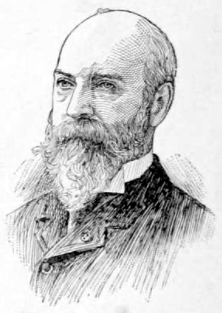
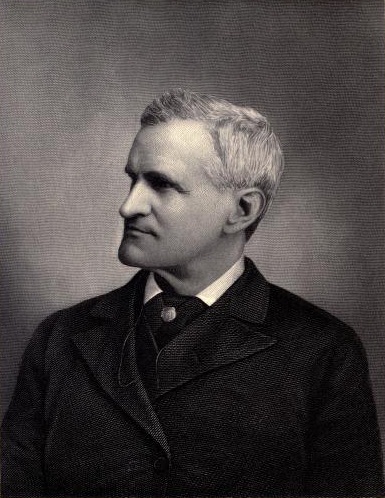
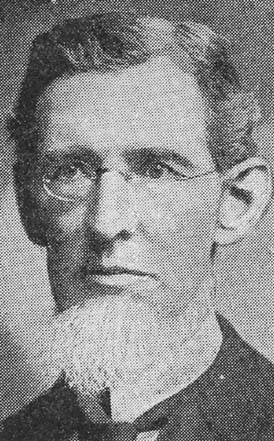
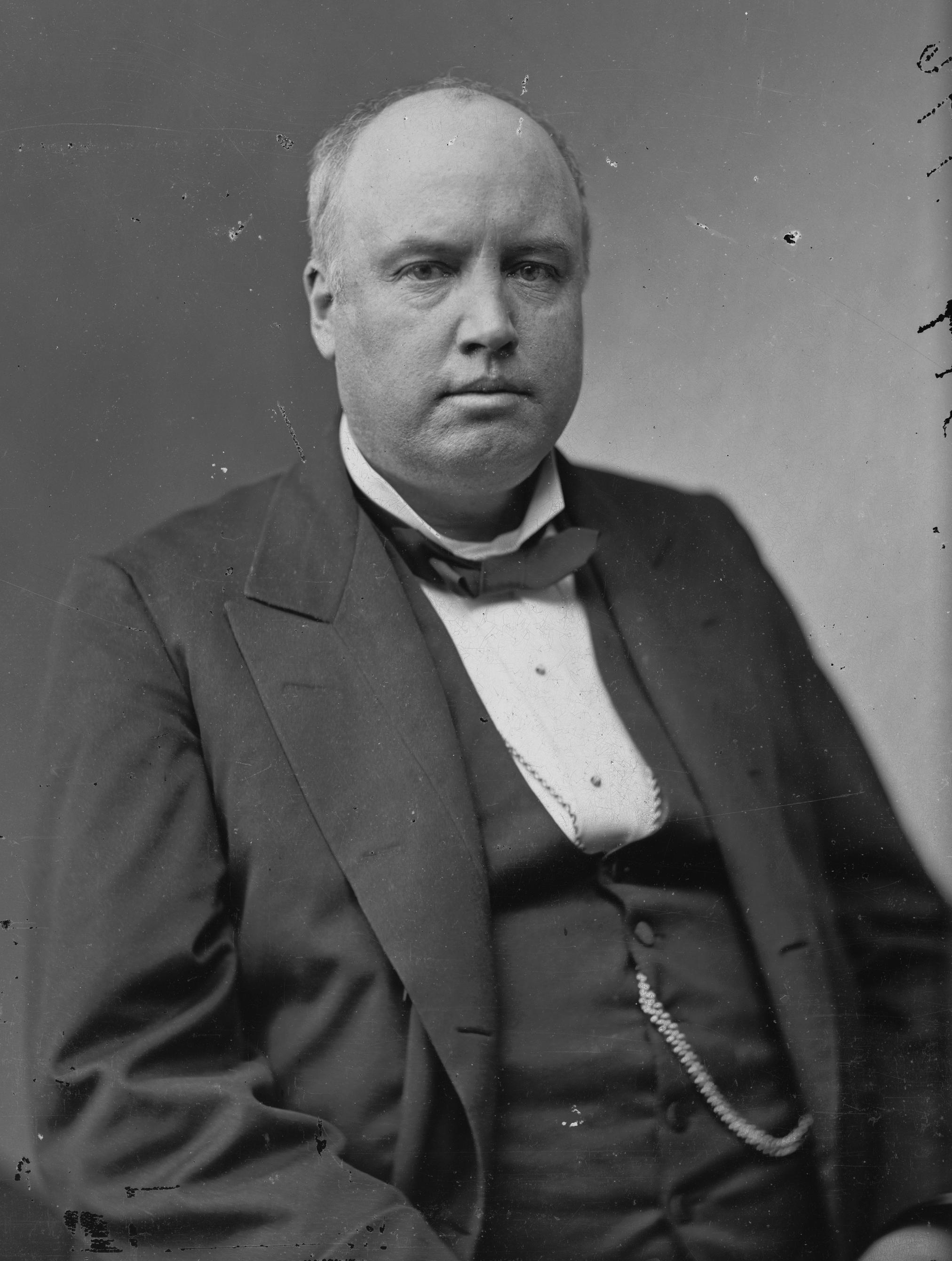
William Larrabee was an American author and politician, best known for his significant contributions to discussions surrounding the railroad industry in the late 19th century. His most notable work, 'The Railroad Question: A Historical and Practical Treatise on Railroads, and Remedies for Their Abuses,' published in 1889, provided a comprehensive analysis of the railroad system, addressing both its historical development and the various abuses that had arisen within it. Larrabee's insights were particularly relevant during a time when railroads were pivotal to the American economy, yet often criticized for monopolistic practices and lack of regulation. In addition to his literary contributions, Larrabee served as the governor of Iowa, where he applied his understanding of economic issues to public policy. His advocacy for railroad reform reflected broader concerns about corporate power and the need for regulatory oversight, themes that would resonate in American political discourse for decades. Larrabee's work remains a valuable resource for understanding the complexities of the railroad industry and its impact on American society during a transformative period in history, marking him as a significant figure in the intersection of literature, politics, and economic reform.
Books from the author


Link to this page
Add a free, dofollow link to Lex on your blog, forum, syllabus, or reading list.

<a href="https://lex-books.com/author/william-larrabee"><img src="https://lex-books.com/badges/read-on-lex.svg" alt="William Larrabee on Lex" width="160" height="40"></a>[](https://lex-books.com/author/william-larrabee)[url=https://lex-books.com/author/william-larrabee][img]https://lex-books.com/badges/read-on-lex.svg[/img][/url]William Larrabee on Lex: https://lex-books.com/author/william-larrabee