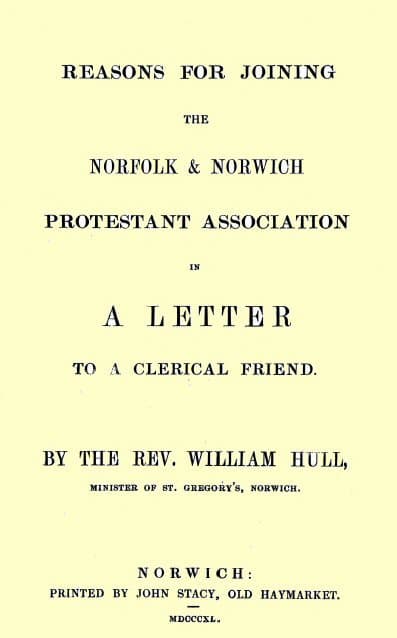
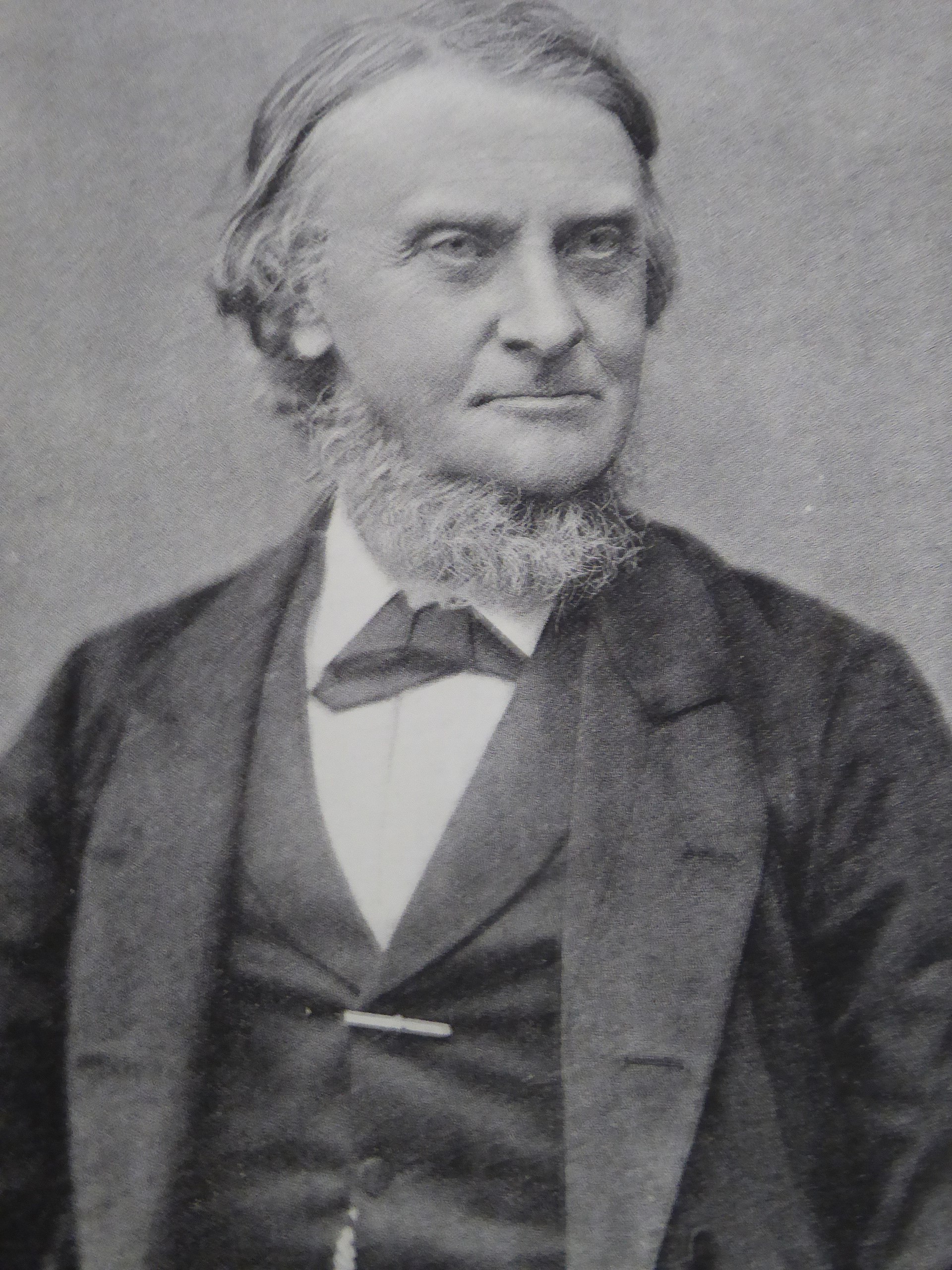
William Hull
William Hull was an American military officer and politician, best known for his role during the early stages of the War of 1812. Born in 1753, he served as a veteran of the American Revolutionary War before becoming the governor of the Michigan Territory from 1805 to 1813. During his governorship, Hull negotiated significant land cessions with Native American tribes, most notably through the Treaty of Detroit in 1807, which aimed to establish peace and facilitate American expansion in the region. Hull's legacy is largely defined by his command during the War of 1812, where he infamously surrendered Fort Detroit to the British Army on August 16, 1812, following a prolonged siege. This surrender led to his court-martial and conviction for cowardice, resulting in a death sentence that was later commuted by President James Madison. Although his reputation suffered greatly due to this incident, Hull continued to serve in various military capacities until the war's conclusion in 1815. His complex legacy reflects the challenges faced by early American leaders in navigating military and political responsibilities during a tumultuous period in U.S. history.
Famous Quotes
View all 1 quotes“If we taught children to speak, they’d never learn.”
Books from the author




Link to this page
Add a free, dofollow link to Lex on your blog, forum, syllabus, or reading list.

<a href="https://lex-books.com/author/william-hull"><img src="https://lex-books.com/badges/read-on-lex.svg" alt="William Hull on Lex" width="160" height="40"></a>[](https://lex-books.com/author/william-hull)[url=https://lex-books.com/author/william-hull][img]https://lex-books.com/badges/read-on-lex.svg[/img][/url]William Hull on Lex: https://lex-books.com/author/william-hull