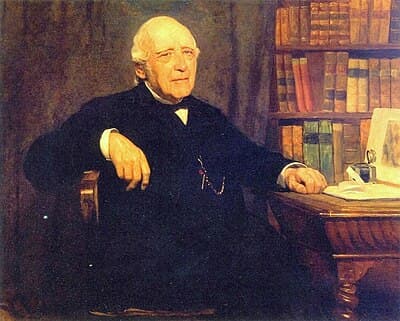
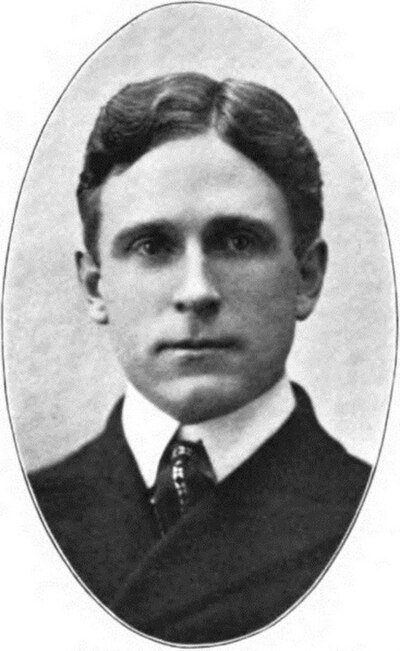
William Henry Furness
William Henry Furness was an influential American clergyman and theologian known for his role in the Transcendentalist movement and his fervent abolitionist efforts. Born in 1802, he became a prominent Unitarian minister in Philadelphia, where he advocated for social reform and the moral imperative of ending slavery. His sermons and writings reflected a deep commitment to individual conscience and the pursuit of truth, which resonated with the ideals of Transcendentalism that emphasized the inherent goodness of people and nature. Furness's literary contributions included works such as 'The Philosophy of the Unconscious' and 'The Life of Jesus,' where he explored theological concepts and critiqued traditional religious dogmas. His approach to biblical interpretation was notable for its emphasis on the ethical teachings of Jesus rather than supernatural elements, making him a pioneering figure in liberal theology. Furness's legacy as a reformer and thinker is marked by his unwavering dedication to social justice and his influence on subsequent generations of religious and social activists.
Famous Quotes
View all 1 quotes“It was there that Lewis and Clark encountered and scrapped with the Arikara. It was there that unscrupulous agents of fur companies waged biological warfare on them, bringing blankets from Saint Louis”
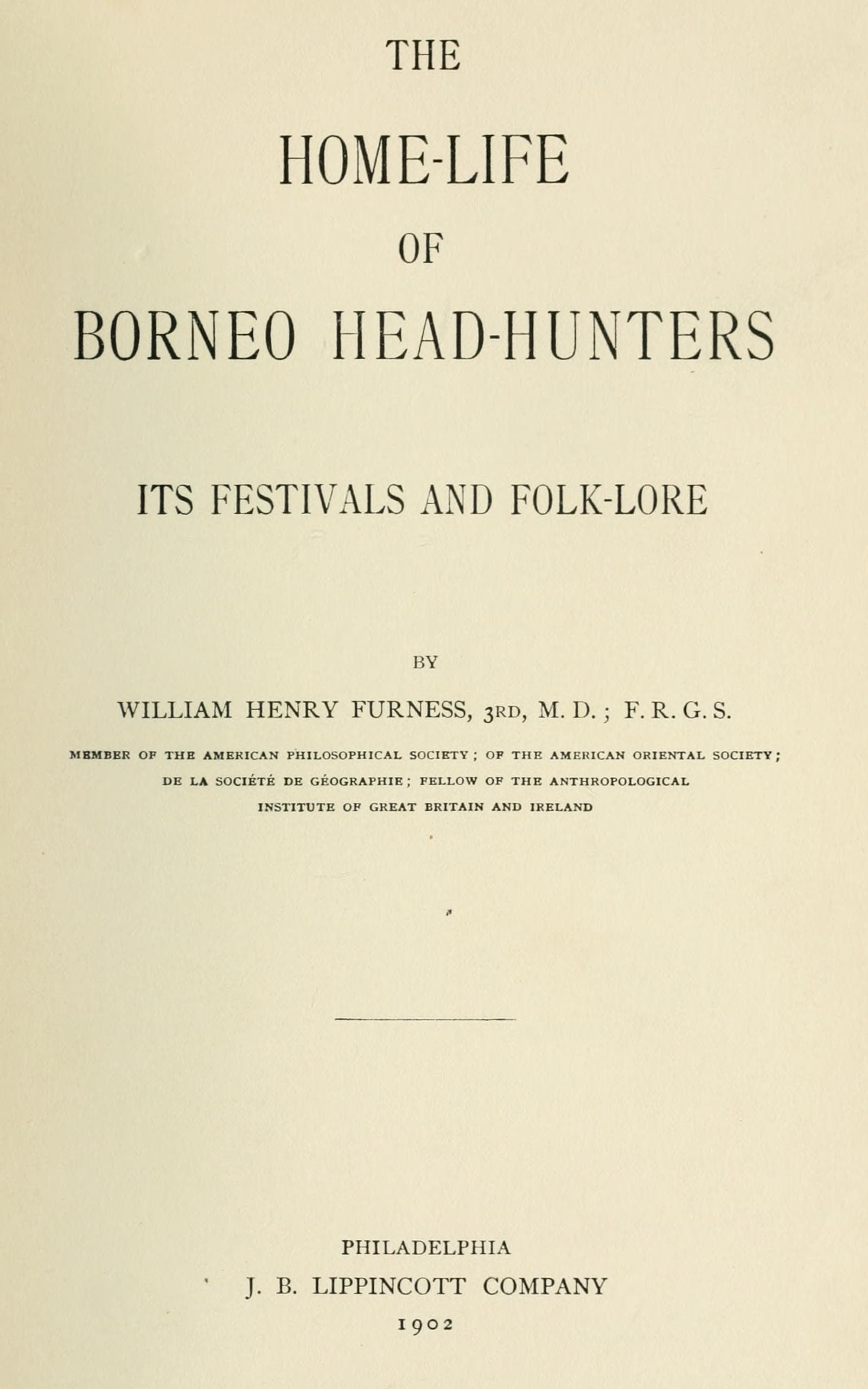
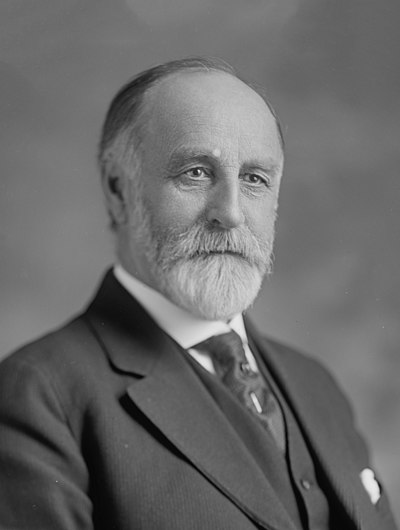
Books from the author





Link to this page
Add a free, dofollow link to Lex on your blog, forum, syllabus, or reading list.

<a href="https://lex-books.com/author/william-henry-furness"><img src="https://lex-books.com/badges/read-on-lex.svg" alt="William Henry Furness on Lex" width="160" height="40"></a>[](https://lex-books.com/author/william-henry-furness)[url=https://lex-books.com/author/william-henry-furness][img]https://lex-books.com/badges/read-on-lex.svg[/img][/url]William Henry Furness on Lex: https://lex-books.com/author/william-henry-furness