Matthew Calbraith Perry: A Typical American Naval Officer
1887
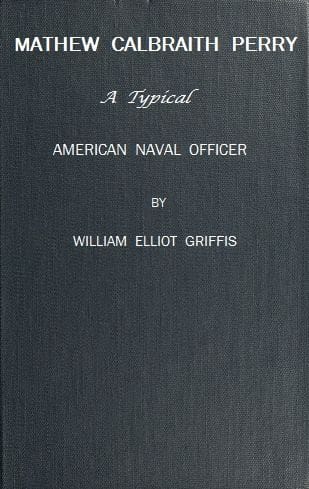
Matthew Calbraith Perry: A Typical American Naval Officer
1887
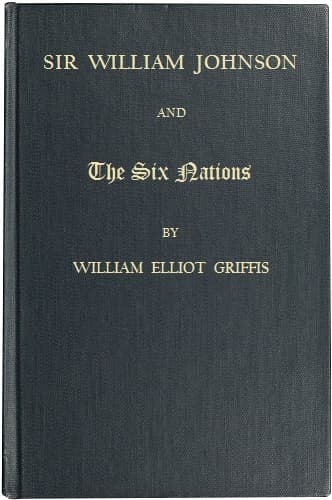
In 1853, four American warships appeared in Tokyo Bay, their black hulls smoke-belching marvels of steam technology. Behind them stood Commodore Matthew Perry, a naval officer who would reshape the global order by prying open Japan after two centuries of isolation. This 1887 biography by William Elliot Griffis traces Perry's remarkable trajectory from War of 1812 veteran to architect of American naval modernization, revealing how a Rhode Island native became the man who ended Asia's longest seclusion. Griffis presents Perry as the embodiment of American naval ambition: part diplomat, part engineer, part imperial agent. The narrative follows his campaigns against piracy, his pioneering work building America's first steam fleet, and his careful preparation for the historic encounter that would rewrite East Asian history. The author, writing with late-Victorian reverence, frames Perry's "typical" American qualities as precisely those that made his achievement possible: persistence, technological faith, and the conviction that American trade would benefit all nations. For readers curious about the roots of American global power, this biography offers a window into how 19th-century Americans understood their nation's destiny, and the complex figure who carried that vision across the Pacific.
Editions
Link to this book
Add a free, dofollow link to Lex on your blog, forum, syllabus, or reading list.

<a href="https://lex-books.com/book/matthew-calbraith-perry-a-typical-american-naval-officer-e7119275-2753-445b-93b1-d7af09c7cda4"><img src="https://lex-books.com/badges/read-on-lex.svg" alt="Read Matthew Calbraith Perry: A Typical American Naval Officer by William Elliot Griffis free on Lex" width="160" height="40"></a>[](https://lex-books.com/book/matthew-calbraith-perry-a-typical-american-naval-officer-e7119275-2753-445b-93b1-d7af09c7cda4)[url=https://lex-books.com/book/matthew-calbraith-perry-a-typical-american-naval-officer-e7119275-2753-445b-93b1-d7af09c7cda4][img]https://lex-books.com/badges/read-on-lex.svg[/img][/url]Read Matthew Calbraith Perry: A Typical American Naval Officer by William Elliot Griffis free on Lex: https://lex-books.com/book/matthew-calbraith-perry-a-typical-american-naval-officer-e7119275-2753-445b-93b1-d7af09c7cda4Cite this book
Reading this edition for a paper or guide? Copy a citation.
Griffis, William Elliot. Matthew Calbraith Perry: A Typical American Naval Officer. Lex, lex-books.com/book/matthew-calbraith-perry-a-typical-american-naval-officer-e7119275-2753-445b-93b1-d7af09c7cda4.Griffis, W. E. (1887). Matthew Calbraith Perry: A Typical American Naval Officer. Lex. https://lex-books.com/book/matthew-calbraith-perry-a-typical-american-naval-officer-e7119275-2753-445b-93b1-d7af09c7cda4Griffis, William Elliot. Matthew Calbraith Perry: A Typical American Naval Officer. Lex. https://lex-books.com/book/matthew-calbraith-perry-a-typical-american-naval-officer-e7119275-2753-445b-93b1-d7af09c7cda4.