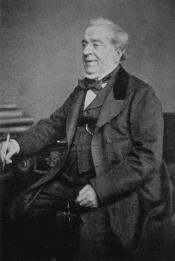
William Banting
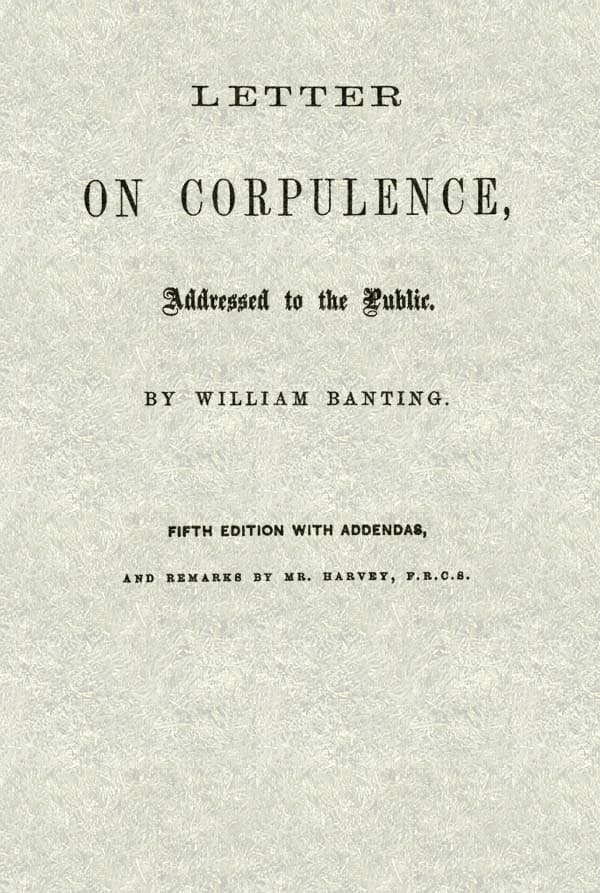
William Banting was an English undertaker who gained prominence in the 19th century for his pioneering approach to weight loss through dietary changes. Struggling with obesity, Banting adopted a low-carbohydrate diet on the advice of his physician, William Harvey, who had been influenced by contemporary medical discussions on diabetes management. Banting's personal success in shedding excess weight led him to publish 'Letter on Corpulence' in 1863, a work that not only detailed his dietary regimen but also advocated for the benefits of reducing starchy and sugary foods in one's diet. His publication became a significant cultural phenomenon, marking one of the earliest instances of a structured diet plan that emphasized the reduction of carbohydrates. Banting's ideas laid the groundwork for future dietary movements and influenced the development of modern nutritional science. His legacy endures in the continued popularity of low-carb diets and the broader conversation around diet and health, making him a notable figure in the history of nutrition and weight management.
Famous Quotes
View all 3 quotes“Obesity seems to me very little understood or properly appreciated by the faculty and the public generally, or the former would long ere this have hit upon the cause for so lamentable a disease, and applied effective remedies, whilst the latter would have spared their injudicious indulgence in remarks and sneers, frequently painful in society, and which, even on the strongest mind, have an unhappy tendency...”
“...I am confident no man labouring under obesity can be quite insensible to the sneers and remarks of the cruel and injudicious in public assemblies, public vehicles, or the ordinary street traffic; nor to the annoyance of finding no adequate space in a public assembly if he should seek amusement or need refreshment, and therefore he naturally keeps away as much as possible from places where he is likely to be made the object of the taunts and remarks of others. I am as regardless of public remark as most men, but I have felt these difficulties and therefore avoided such circumscribed accommodation and notice, and by that means have been deprived of many advantages to health and comfort.”
“Some [fat people], I believe, would willingly submit to even a violent remedy, so that an immediate benefit could be produced...”
Books from the author




Link to this page
Add a free, dofollow link to Lex on your blog, forum, syllabus, or reading list.

<a href="https://lex-books.com/author/william-banting"><img src="https://lex-books.com/badges/read-on-lex.svg" alt="William Banting on Lex" width="160" height="40"></a>[](https://lex-books.com/author/william-banting)[url=https://lex-books.com/author/william-banting][img]https://lex-books.com/badges/read-on-lex.svg[/img][/url]William Banting on Lex: https://lex-books.com/author/william-banting