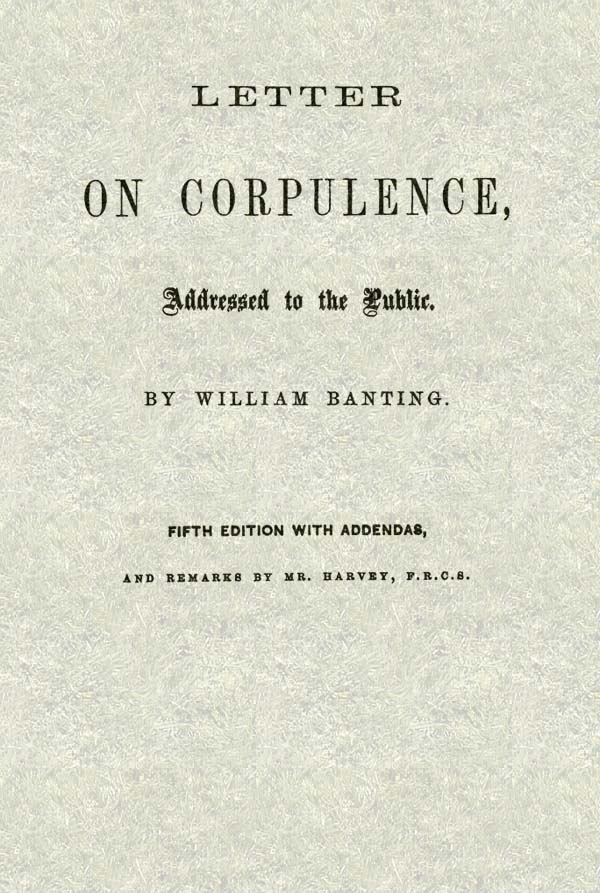
Letter on Corpulence, Addressed to the Public
1864
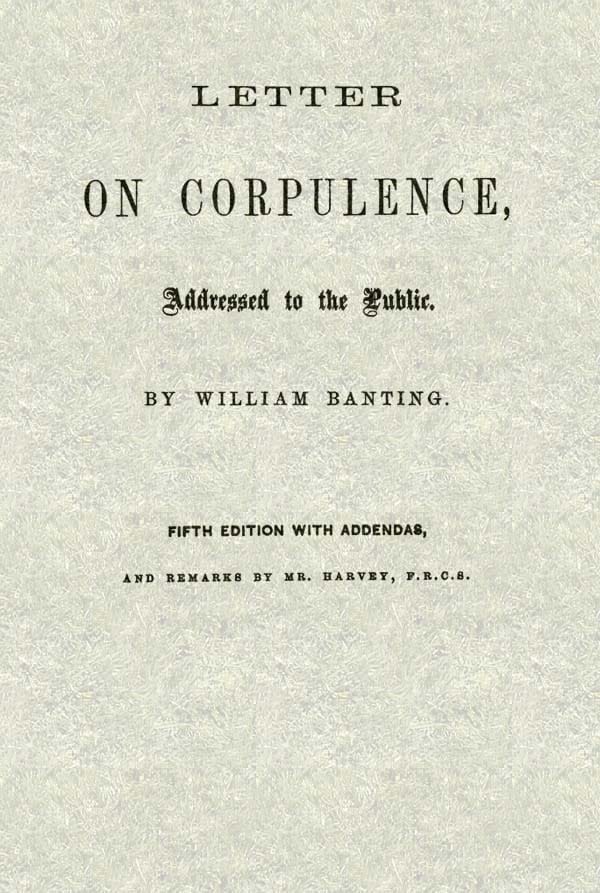
Letter on Corpulence, Addressed to the Public
1864
In 1864, a Victorian carpenter named William Banting became the first person to publish a diet book, and in doing so, accidentally created an industry that would eventually be worth billions. Banting had grown desperately ill from obesity: his eyesight was failing, his knees buckled, and doctors could offer him nothing but useless remedies. Then he discovered a radical approach: abandoning bread, sugar, beer, and potatoes while loading his plate with meat and vegetables. The results came quickly, fifty pounds vanished in months, and he felt young again. He wrote this pamphlet not for profit but to help others suffering as he had, distributing it freely until demand forced it into print. The public response was explosive: by the third edition, over 60,000 copies had sold, and Banting entered the English language as synonymous with dieting. What makes this slender volume remarkable isn't just its historical significance as the prototype for every diet book that would follow, but the striking familiarity of its advice. Banting's low-carbohydrate approach predates the modern keto craze by over a century, making his simple story of bodily transformation feel almost impossibly contemporary.
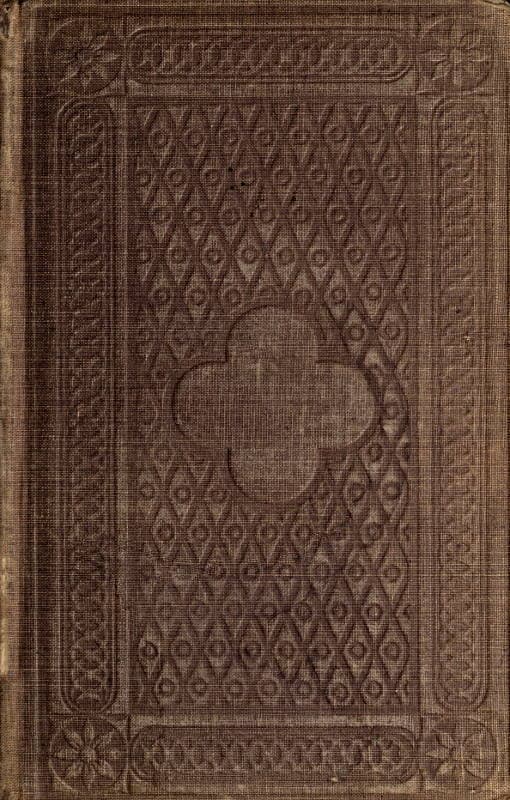
Editions
X-Ray
“Some [fat people], I believe, would willingly submit to even a violent remedy, so that an immediate benefit could be produced...””
— William Banting
Link to this book
Add a free, dofollow link to Lex on your blog, forum, syllabus, or reading list.

<a href="https://lex-books.com/book/letter-on-corpulence-addressed-to-the-public-280d9082-4292-4ac0-9fbb-84f73b977b85"><img src="https://lex-books.com/badges/read-on-lex.svg" alt="Read Letter on Corpulence, Addressed to the Public by William Banting free on Lex" width="160" height="40"></a>[](https://lex-books.com/book/letter-on-corpulence-addressed-to-the-public-280d9082-4292-4ac0-9fbb-84f73b977b85)[url=https://lex-books.com/book/letter-on-corpulence-addressed-to-the-public-280d9082-4292-4ac0-9fbb-84f73b977b85][img]https://lex-books.com/badges/read-on-lex.svg[/img][/url]Read Letter on Corpulence, Addressed to the Public by William Banting free on Lex: https://lex-books.com/book/letter-on-corpulence-addressed-to-the-public-280d9082-4292-4ac0-9fbb-84f73b977b85Cite this book
Reading this edition for a paper or guide? Copy a citation.
Banting, William. Letter on Corpulence, Addressed to the Public. Lex, lex-books.com/book/letter-on-corpulence-addressed-to-the-public-280d9082-4292-4ac0-9fbb-84f73b977b85.Banting, W. (1864). Letter on Corpulence, Addressed to the Public. Lex. https://lex-books.com/book/letter-on-corpulence-addressed-to-the-public-280d9082-4292-4ac0-9fbb-84f73b977b85Banting, William. Letter on Corpulence, Addressed to the Public. Lex. https://lex-books.com/book/letter-on-corpulence-addressed-to-the-public-280d9082-4292-4ac0-9fbb-84f73b977b85.