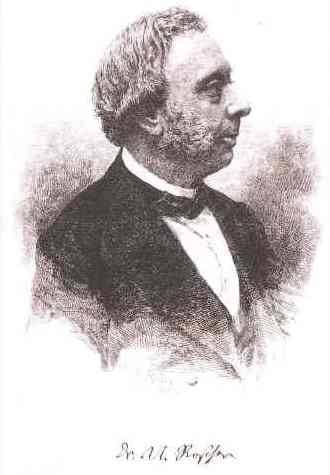
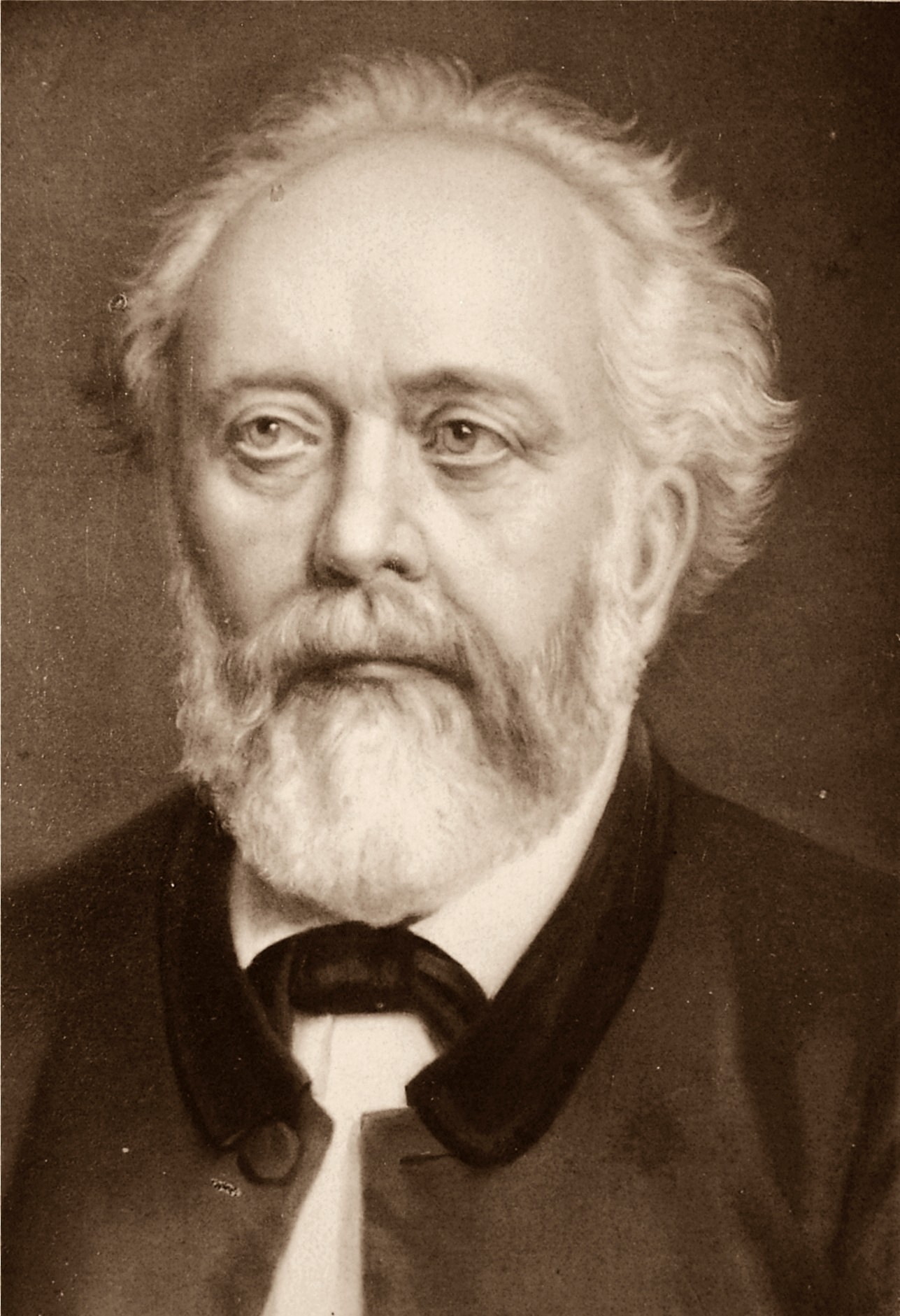
Wilhelm Roscher
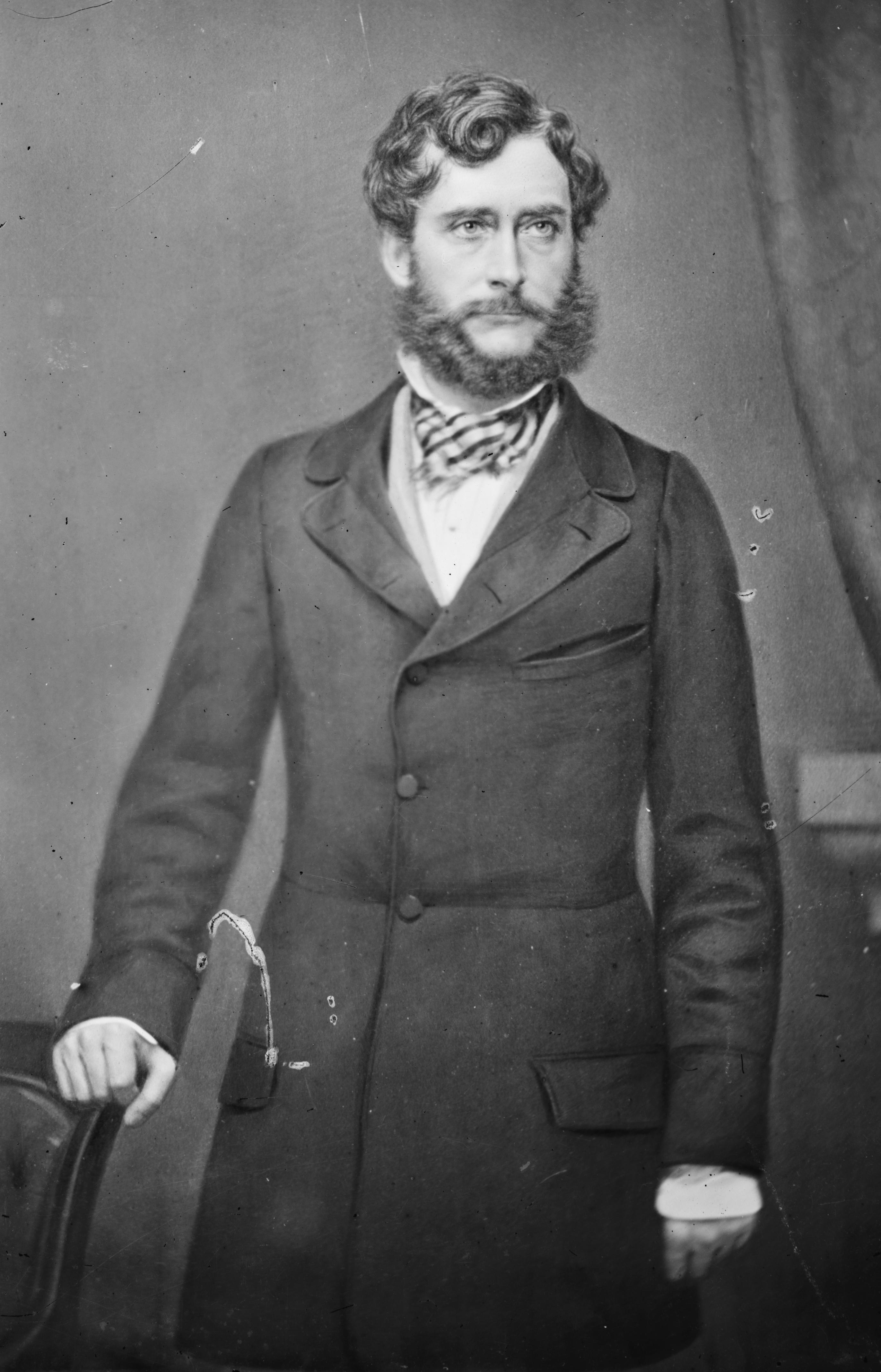
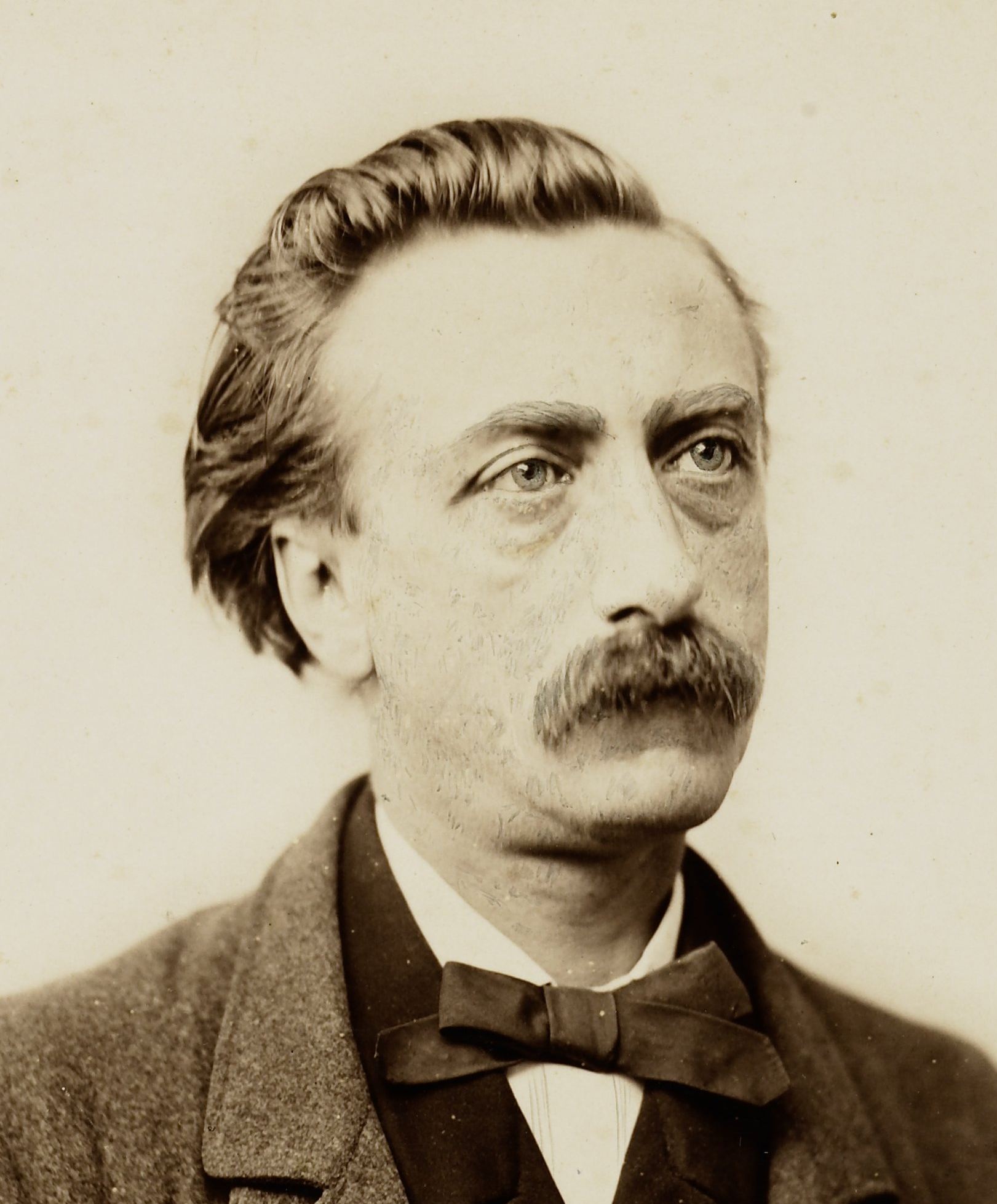
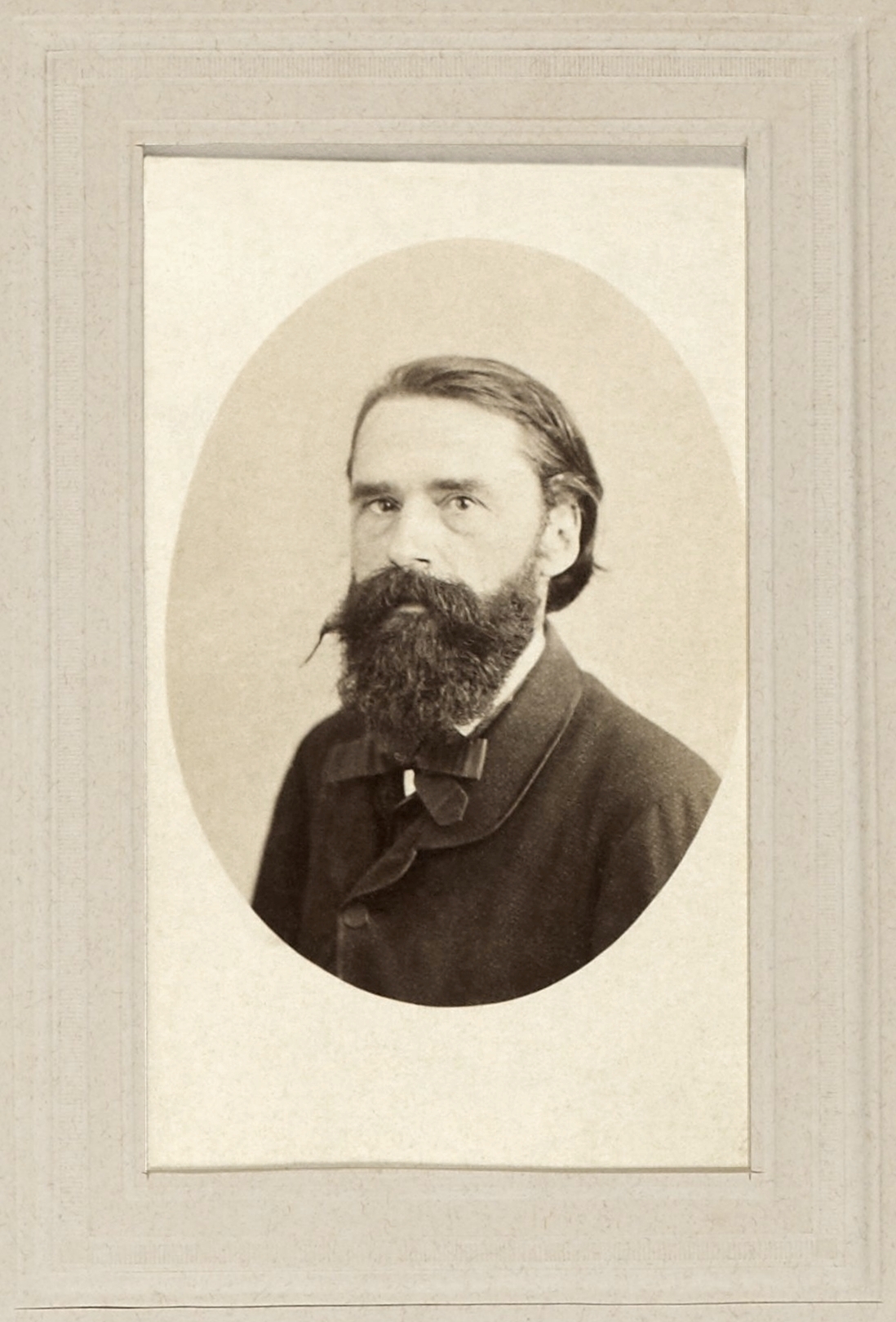
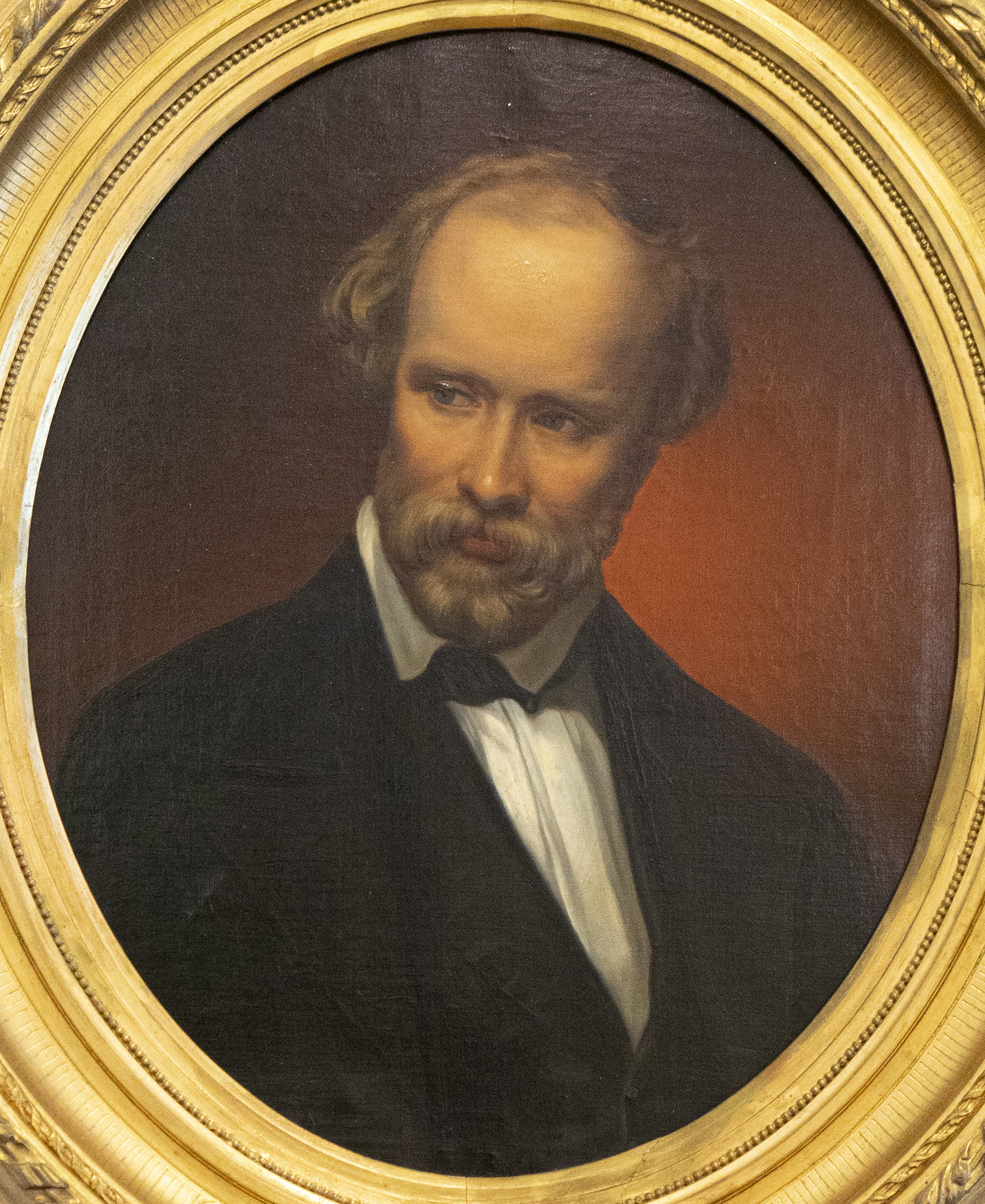
Wilhelm Georg Friedrich Roscher was a prominent German economist known for his significant contributions to the field of economic theory and history. Born in Hanover, he became a leading figure in the development of historical economics, advocating for the importance of historical context in understanding economic phenomena. Roscher's work emphasized the interplay between economic systems and cultural factors, which set him apart from the more abstract approaches of his contemporaries. His seminal texts, including 'Die Grundlagen der Nationalökonomie' (The Foundations of National Economy), laid the groundwork for future economic thought and analysis. Roscher's influence extended beyond his own writings; he played a crucial role in the establishment of the historical school of economics, which sought to analyze economic events through the lens of history. This approach not only shaped economic discourse in Germany but also had a lasting impact on economic theory worldwide. His legacy is marked by his insistence on the relevance of history in economics, a perspective that continues to inform contemporary economic analysis and policy-making. Through his scholarly work and teachings, Roscher left an indelible mark on the discipline, earning recognition as a foundational figure in the evolution of economic thought.
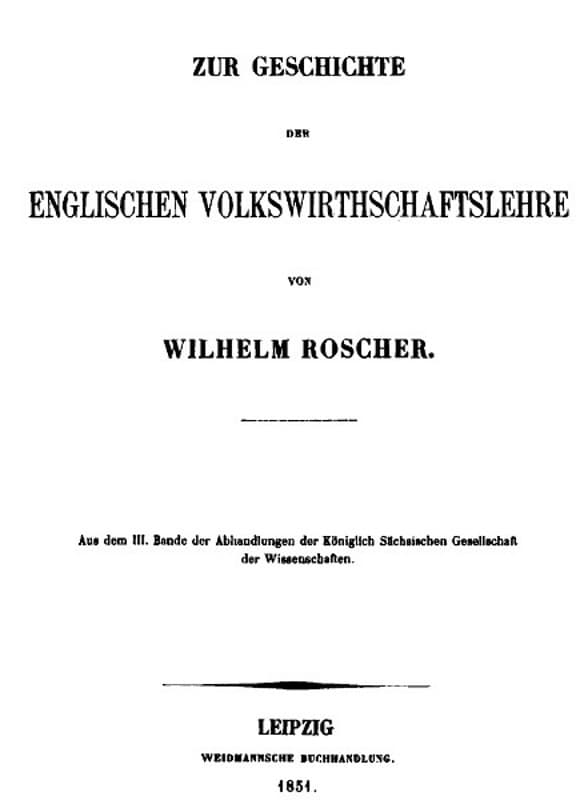
Books from the author




Link to this page
Add a free, dofollow link to Lex on your blog, forum, syllabus, or reading list.

<a href="https://lex-books.com/author/wilhelm-roscher"><img src="https://lex-books.com/badges/read-on-lex.svg" alt="Wilhelm Roscher on Lex" width="160" height="40"></a>[](https://lex-books.com/author/wilhelm-roscher)[url=https://lex-books.com/author/wilhelm-roscher][img]https://lex-books.com/badges/read-on-lex.svg[/img][/url]Wilhelm Roscher on Lex: https://lex-books.com/author/wilhelm-roscher