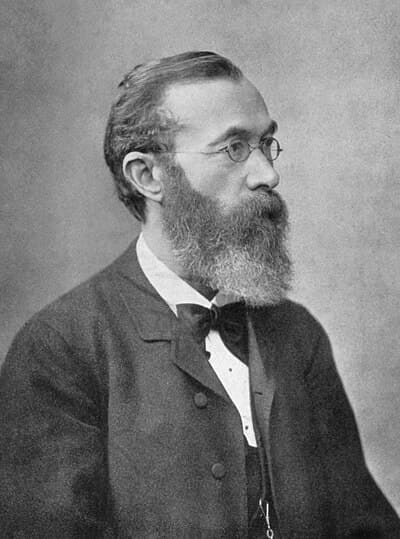
Wilhelm Max Wundt
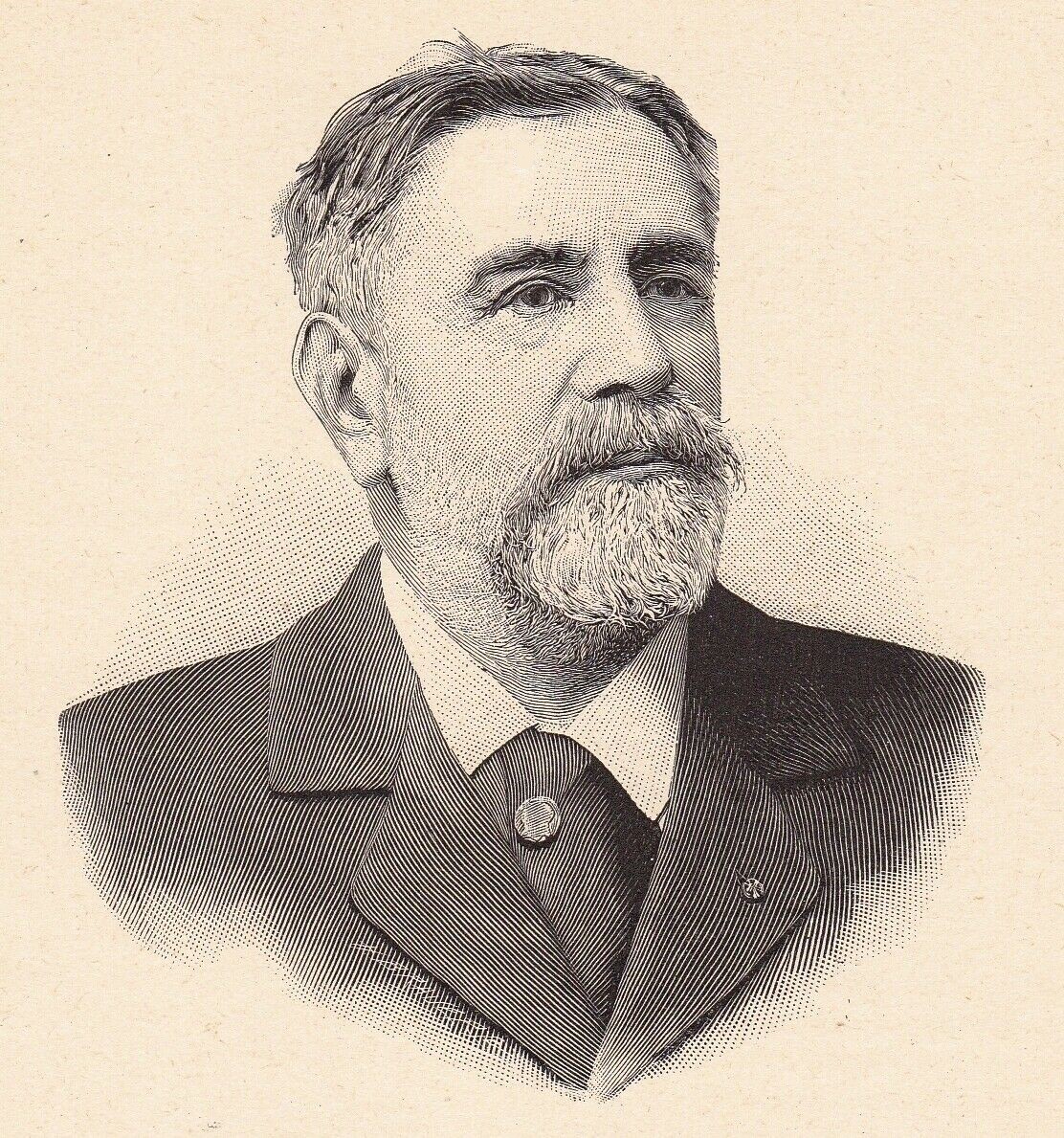
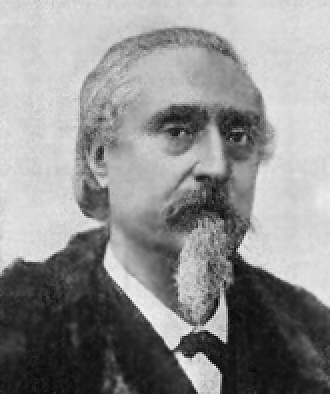
Wilhelm Maximilian Wundt was a pioneering German physiologist and philosopher, widely recognized as one of the founders of modern psychology. He played a crucial role in distinguishing psychology as a separate scientific discipline, separate from philosophy and biology. In 1879, he established the first formal laboratory dedicated to psychological research at the University of Leipzig, which marked a significant milestone in the field, solidifying psychology's status as an independent area of study. Wundt was also the first individual to identify himself as a psychologist, further cementing his legacy in the discipline. Beyond his laboratory, Wundt contributed to the academic landscape by founding the first journal for psychological research, Philosophische Studien, in 1883, followed by Psychologische Studien in 1905. His work emphasized the importance of experimental methods in psychology, and he introduced concepts such as introspection and the study of consciousness. Wundt's influence extended well beyond his lifetime, shaping the development of psychology as a rigorous scientific field and inspiring future generations of psychologists and researchers. His legacy endures in the foundational principles of psychology and the methodologies that continue to be employed in the study of human behavior and mental processes.
Books from the author



Link to this page
Add a free, dofollow link to Lex on your blog, forum, syllabus, or reading list.

<a href="https://lex-books.com/author/wilhelm-max-wundt"><img src="https://lex-books.com/badges/read-on-lex.svg" alt="Wilhelm Max Wundt on Lex" width="160" height="40"></a>[](https://lex-books.com/author/wilhelm-max-wundt)[url=https://lex-books.com/author/wilhelm-max-wundt][img]https://lex-books.com/badges/read-on-lex.svg[/img][/url]Wilhelm Max Wundt on Lex: https://lex-books.com/author/wilhelm-max-wundt