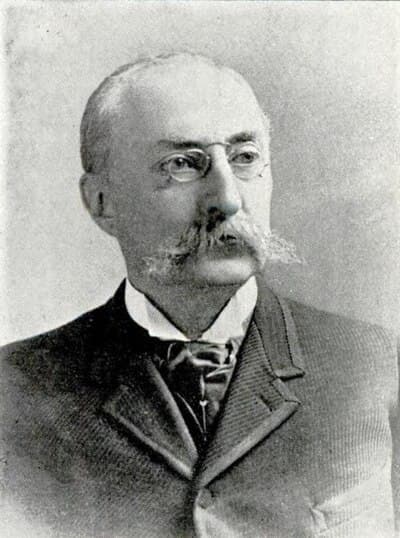
Garrick Mallery
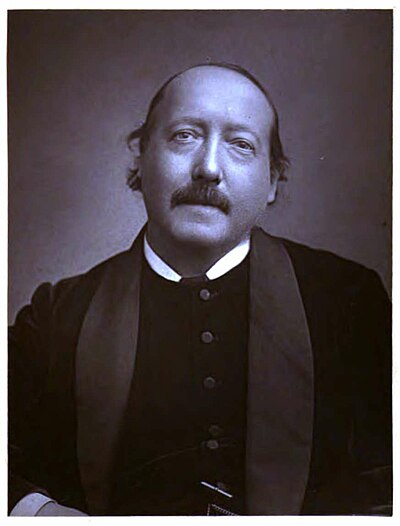
Garrick Mallery was an American ethnologist renowned for his pioneering studies of Native American sign language and pictographs. Born in Wilkes-Barre, Pennsylvania, he dedicated much of his life to understanding and documenting the intricate systems of communication used by various Native American tribes. His work was significant in the field of anthropology, as it provided valuable insights into the cultural practices and linguistic structures of indigenous peoples, which had often been overlooked or misunderstood by contemporary scholars. Mallery's most notable contributions include his extensive research published in the late 19th century, particularly in his influential work 'Sign Language among North American Indians Compared with that of Other Peoples and Deaf-Mutes.' This publication not only highlighted the complexity of Native American sign language but also established a comparative framework that linked it to other forms of non-verbal communication worldwide. His efforts helped to elevate the status of Native American languages and cultures within the academic community, paving the way for future research in ethnolinguistics and cultural anthropology. Mallery's legacy endures as a foundational figure in the study of indigenous communication, emphasizing the importance of preserving and understanding Native American languages and their unique expressions.
Books from the author



Link to this page
Add a free, dofollow link to Lex on your blog, forum, syllabus, or reading list.

<a href="https://lex-books.com/author/garrick-mallery"><img src="https://lex-books.com/badges/read-on-lex.svg" alt="Garrick Mallery on Lex" width="160" height="40"></a>[](https://lex-books.com/author/garrick-mallery)[url=https://lex-books.com/author/garrick-mallery][img]https://lex-books.com/badges/read-on-lex.svg[/img][/url]Garrick Mallery on Lex: https://lex-books.com/author/garrick-mallery