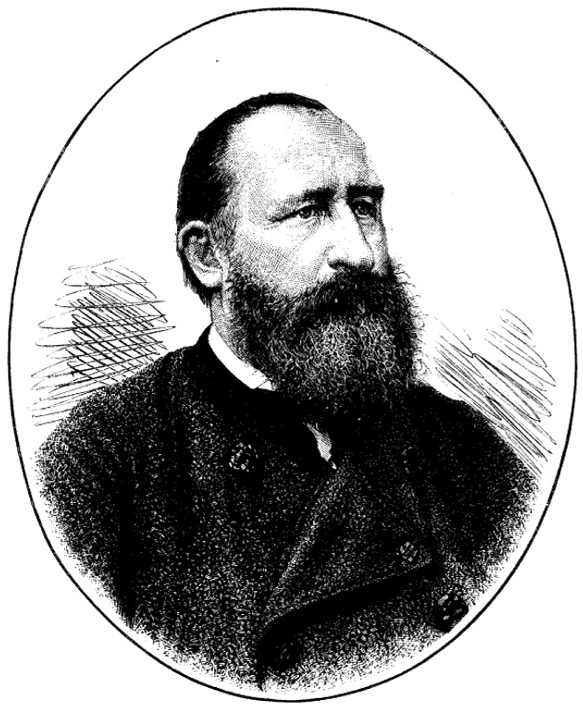
Georg August Schweinfurth
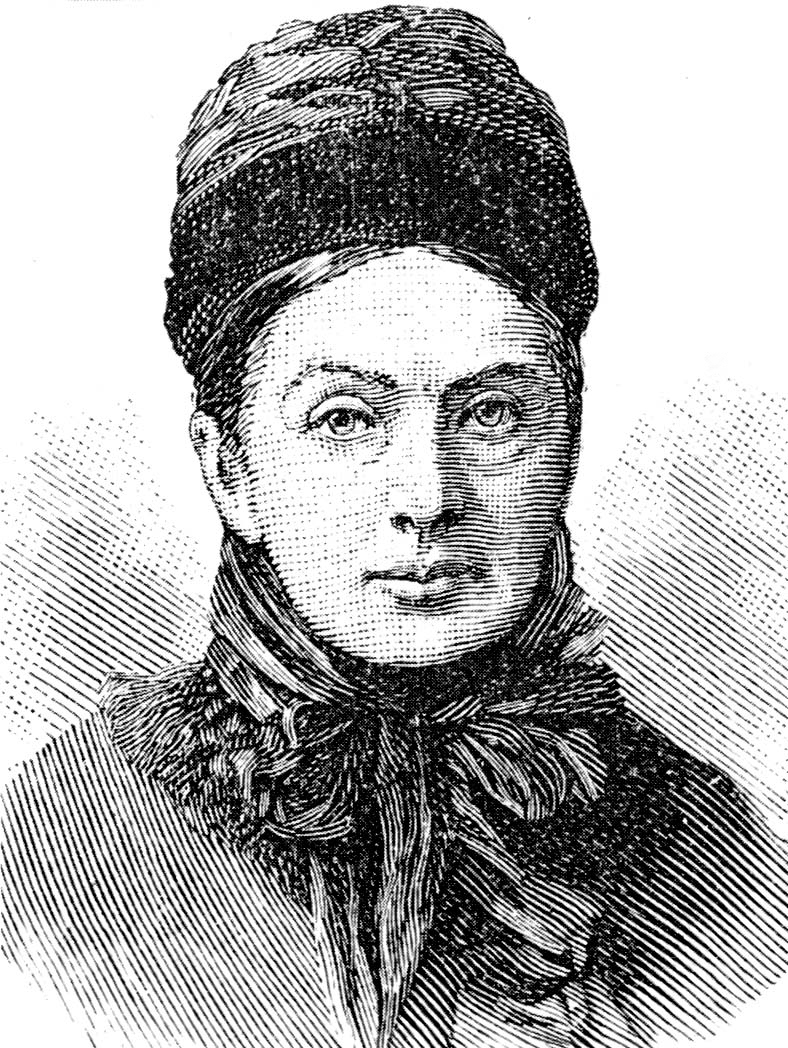
Georg August Schweinfurth was a prominent Baltic German botanist and ethnologist known for his extensive explorations in East Central Africa. His journeys in the late 19th century provided invaluable insights into the region's flora and indigenous cultures. Schweinfurth's most notable work, 'The Heart of Africa,' published in 1873, detailed his travels and observations, showcasing the rich biodiversity and complex societies he encountered. His meticulous documentation of plant species and ethnographic studies contributed significantly to the fields of botany and anthropology, making him a key figure in the scientific exploration of Africa during this period. Schweinfurth's legacy lies not only in his scientific contributions but also in his role as a bridge between European and African cultures. His writings often reflected a deep respect for the peoples he studied, challenging prevailing stereotypes of the time. By bringing attention to the intricate relationships between humans and their environments, Schweinfurth's work has had a lasting impact on both botanical science and ethnology, influencing future generations of researchers and explorers. His explorations helped lay the groundwork for a more nuanced understanding of Africa's ecological and cultural diversity.
Books from the author








Link to this page
Add a free, dofollow link to Lex on your blog, forum, syllabus, or reading list.

<a href="https://lex-books.com/author/georg-august-schweinfurth"><img src="https://lex-books.com/badges/read-on-lex.svg" alt="Georg August Schweinfurth on Lex" width="160" height="40"></a>[](https://lex-books.com/author/georg-august-schweinfurth)[url=https://lex-books.com/author/georg-august-schweinfurth][img]https://lex-books.com/badges/read-on-lex.svg[/img][/url]Georg August Schweinfurth on Lex: https://lex-books.com/author/georg-august-schweinfurth