
Walter White
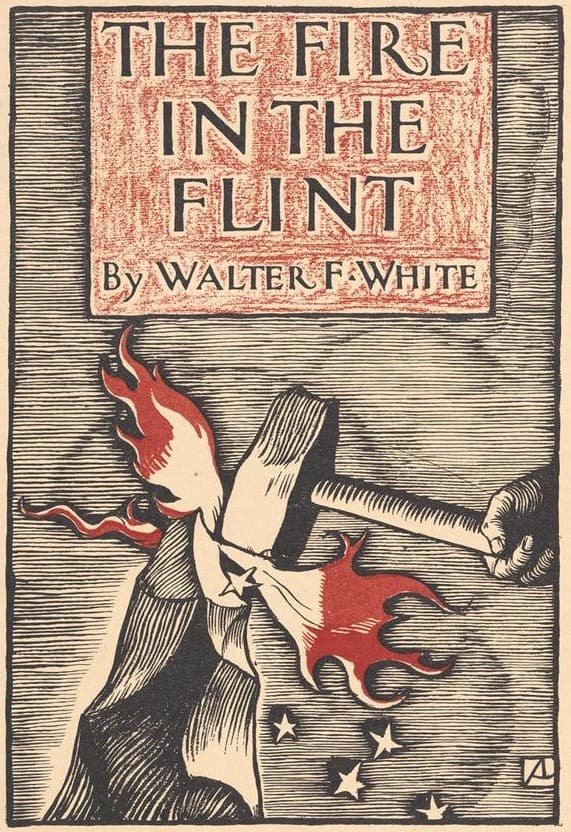
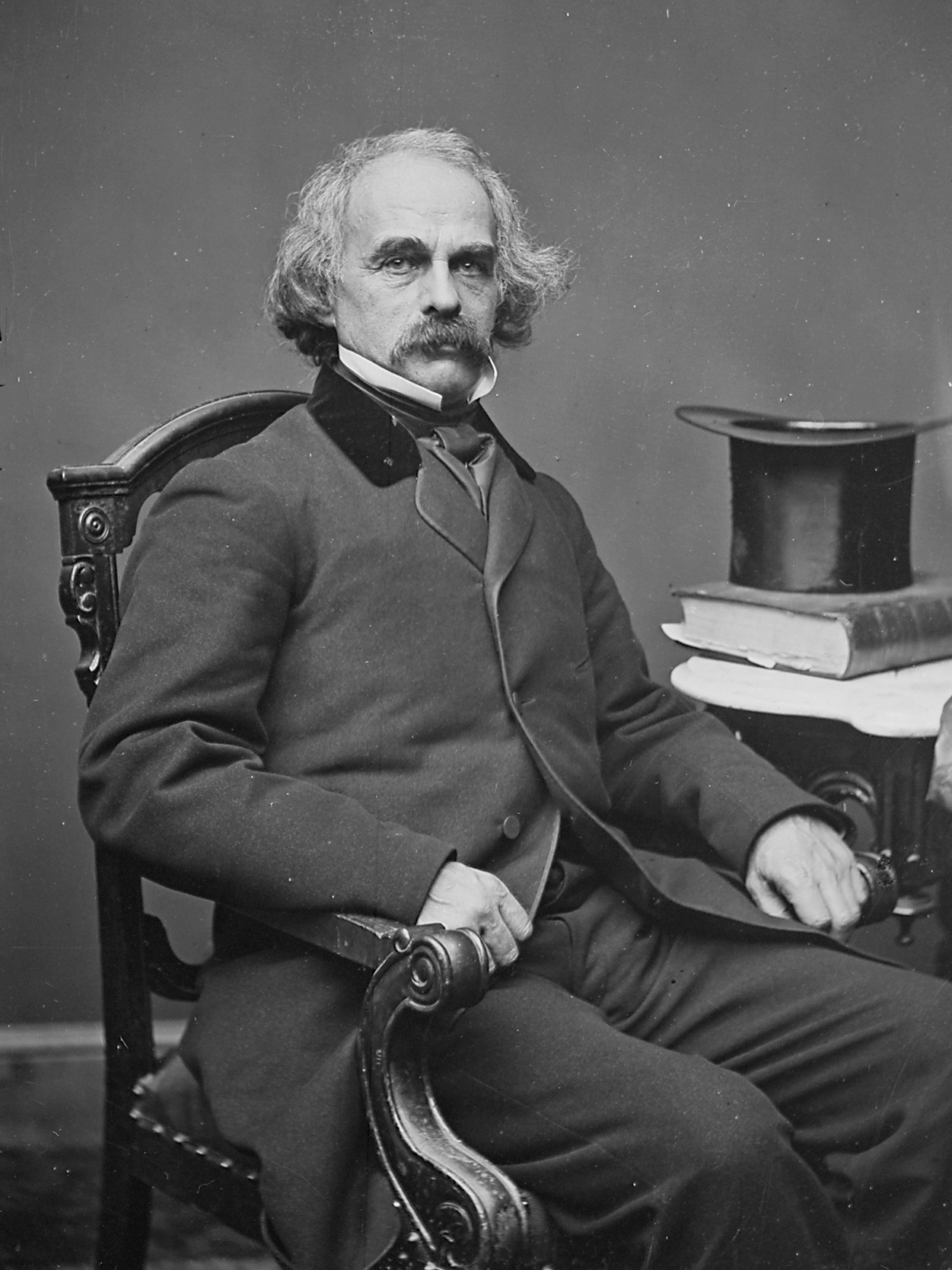
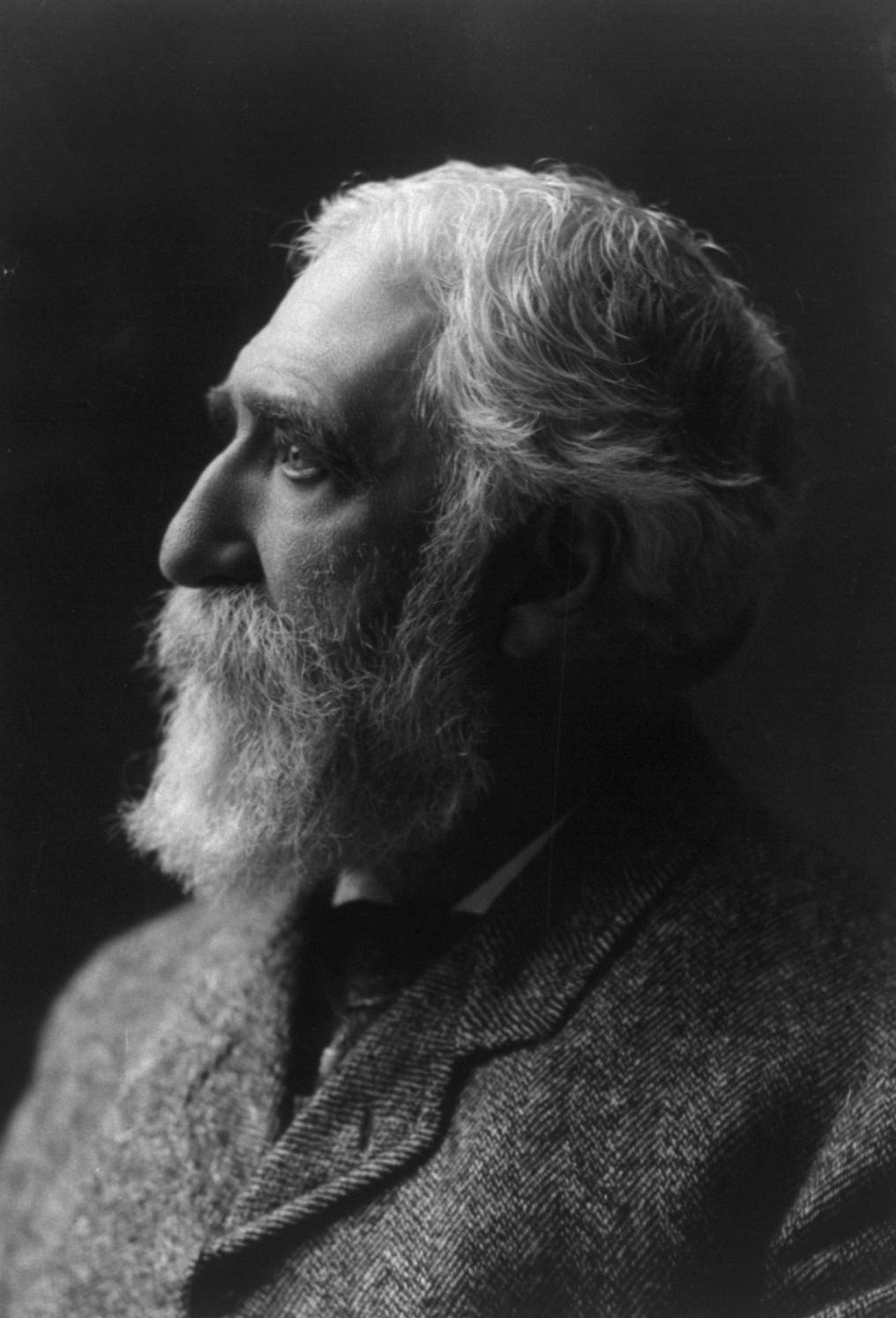
Walter White was an English author and travel writer known for his vivid depictions of the landscapes and cultures he encountered during his journeys. Born in 1811, he developed a passion for exploration that led him to various regions of Europe, particularly Yorkshire, Saxony, and Bohemia. His works, including 'A Month in Yorkshire' and 'A July Holiday in Saxony, Bohemia, and Silesia,' reflect not only his keen observational skills but also his ability to capture the essence of the places he visited, making them accessible and engaging to readers. White's writing style is characterized by its clarity and descriptive richness, which invites readers to experience the sights and sounds of his travels alongside him. In addition to his travel narratives, White also penned 'The Fire in the Flint' and 'All Around the Wrekin,' which showcase his versatility as a writer. 'The Fire in the Flint' is notable for its exploration of social themes and local culture, while 'All Around the Wrekin' offers a more personal reflection on the landscapes of Shropshire. Walter White's contributions to travel literature are significant, as he helped to popularize the genre in the 19th century, paving the way for future writers to explore the world through their own narratives. His legacy endures in the way he blended personal experience with broader cultural observations, enriching the literary landscape of his time.
Famous Quotes
View all 9 quotes“We were told that violence in itself is evil, and that, whatever the cause, it is unjustified morally. By what standard of morality can the violence used by a slave to break his chains be considered the same as the violence of a slave master? By what standards can we equate the violence of blacks who have been oppressed, suppressed, depressed and repressed for four centuries with the violence of white fascists? Violence aimed at the recovery of human dignity and at equality cannot be judged by the same yardstick as violence aimed at maintenance of discrimination and oppression.””
“Many guilty consciences have been created by the slave trade. Europeans know that they carried on the slave trade, and Africans are aware that the trade would have been impossible if certain Africans did not cooperate with slave ships. To ease their guilty consciences, Europeans try to throw the major responsibility for the slave trade on to the Africans. One major author on the slave trade (appropriately titled Sins of Our Fathers) explained how many white people urged him to state that the trade was the responsibility of African chiefs, and that Europeans merely turned up to buy captives- as though without European demand there would have been captives sitting on the beach by the millions! Issues such as those are not the principal concern of this study, but they can be correctly approached only after understanding that Europe became the center of a world-wide system and that it was European capitalism which set slavery and the Atlantic slave trade in motion.””
“I am the one who knocks.””
Books from the author



Link to this page
Add a free, dofollow link to Lex on your blog, forum, syllabus, or reading list.

<a href="https://lex-books.com/author/walter-white"><img src="https://lex-books.com/badges/read-on-lex.svg" alt="Walter White on Lex" width="160" height="40"></a>[](https://lex-books.com/author/walter-white)[url=https://lex-books.com/author/walter-white][img]https://lex-books.com/badges/read-on-lex.svg[/img][/url]Walter White on Lex: https://lex-books.com/author/walter-white