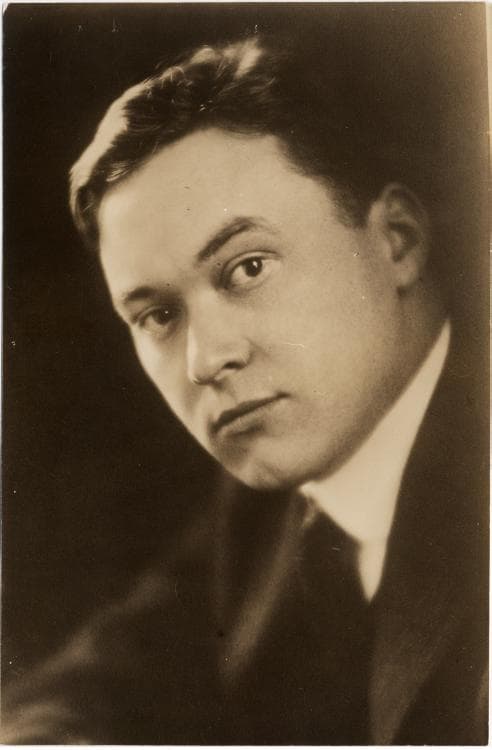
Walter Lippmann
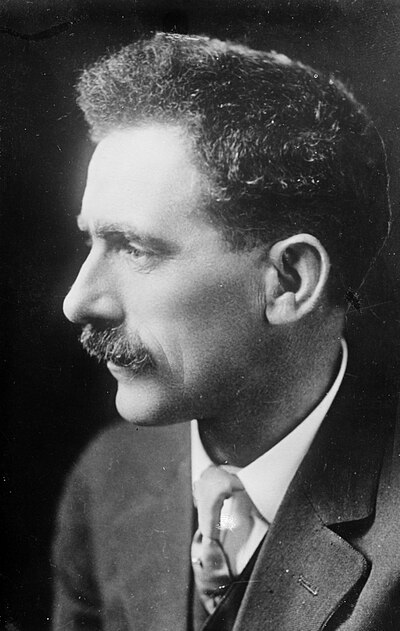
Walter Lippmann was an influential American writer, reporter, and political commentator whose career spanned six decades. He is best known for his pioneering work in journalism and media theory, particularly through his seminal book, Public Opinion, published in 1922. In this work, Lippmann introduced the concept of the 'stereotype' in its modern psychological context and critiqued the role of media in shaping public perception and democracy. His insights sparked significant debate, notably with philosopher John Dewey, in what became known as the Lippmann–Dewey Debate, highlighting the complexities of journalism's function in a democratic society. Lippmann's contributions extended beyond his writings; he served as the research director for President Woodrow Wilson's post-World War I board of inquiry and was a prominent voice during the Cold War, being among the first to articulate its implications. His syndicated newspaper column, 'Today and Tomorrow,' earned him two Pulitzer Prizes, reflecting his impact on journalism and public discourse. Revered as the 'Father of Modern Journalism,' Lippmann's legacy endures through his profound influence on media studies and his critical examination of the relationship between journalism, public opinion, and democracy.
Famous Quotes
View all 3 quotes“Where all think alike, no one thinks very much.”
“There can be no liberty for a community which lacks the means by which to detect lies.”
“It requires wisdom to understand wisdom: the music is nothing if the audience is deaf.”
Books from the author






Link to this page
Add a free, dofollow link to Lex on your blog, forum, syllabus, or reading list.

<a href="https://lex-books.com/author/walter-lippmann"><img src="https://lex-books.com/badges/read-on-lex.svg" alt="Walter Lippmann on Lex" width="160" height="40"></a>[](https://lex-books.com/author/walter-lippmann)[url=https://lex-books.com/author/walter-lippmann][img]https://lex-books.com/badges/read-on-lex.svg[/img][/url]Walter Lippmann on Lex: https://lex-books.com/author/walter-lippmann