
Clifford D. Simak
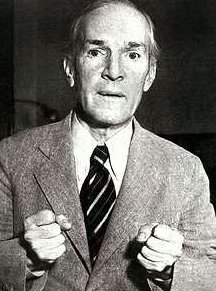
Clifford D. Simak was an influential American science fiction writer known for his unique blend of pastoral themes and speculative storytelling. Born in Wisconsin, he spent much of his life in rural settings, which profoundly shaped his literary voice. Simak's works often explored the relationship between humanity and nature, as well as the possibilities of advanced technology and extraterrestrial life. His notable works include 'City,' a collection of interconnected stories that examine the future of humanity through the lens of intelligent dogs, and 'Way Station,' which won the Hugo Award and delves into themes of isolation and connection in a universe filled with diverse life forms. Simak's contributions to science fiction earned him significant recognition, including three Hugo Awards and a Nebula Award. He was honored as a Grand Master by the Science Fiction Writers of America, highlighting his lasting impact on the genre. His writing is characterized by a sense of wonder and a deep appreciation for the natural world, making him a key figure in the pastoral science fiction subgenre. Simak's legacy endures through his thought-provoking narratives that challenge readers to reflect on their place in the cosmos and the importance of preserving the environment.
Famous Quotes
View all 3 quotes“Here lies one from a distant star, but the soil is not alien to him, for in death he belongs to the universe.”
“A religion is a system of symbols which acts to establish powerful, pervasive, and long-lasting moods in men by formulating conceptions of a general order of existence and clothing those conceptions with such an aura of factuality that the moods and motivations seem uniquely realistic.”
“Once there had been joy, but now there was only sadness, and it was not, he knew, alone the sadness of an empty house; it was the sadness of all else, the sadness of the Earth, the sadness of the failures and the empty triumphs.”
Books from the author

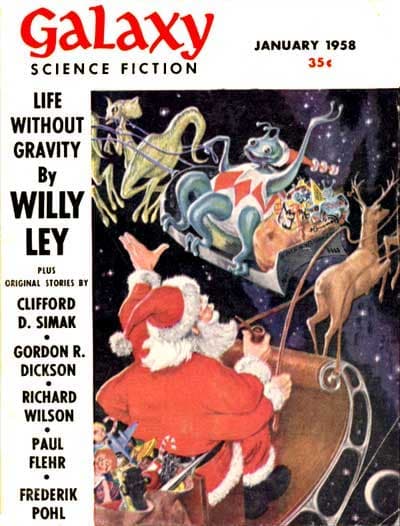

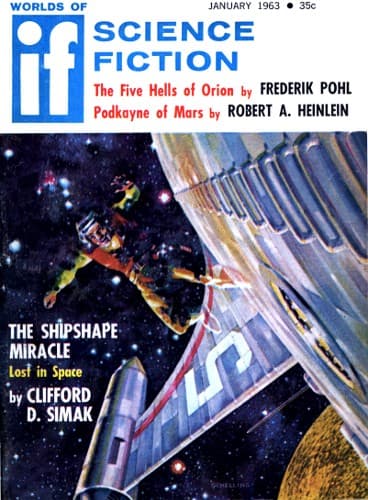






Link to this page
Add a free, dofollow link to Lex on your blog, forum, syllabus, or reading list.

<a href="https://lex-books.com/author/clifford-d-simak"><img src="https://lex-books.com/badges/read-on-lex.svg" alt="Clifford D. Simak on Lex" width="160" height="40"></a>[](https://lex-books.com/author/clifford-d-simak)[url=https://lex-books.com/author/clifford-d-simak][img]https://lex-books.com/badges/read-on-lex.svg[/img][/url]Clifford D. Simak on Lex: https://lex-books.com/author/clifford-d-simak