Robert Moore Williams
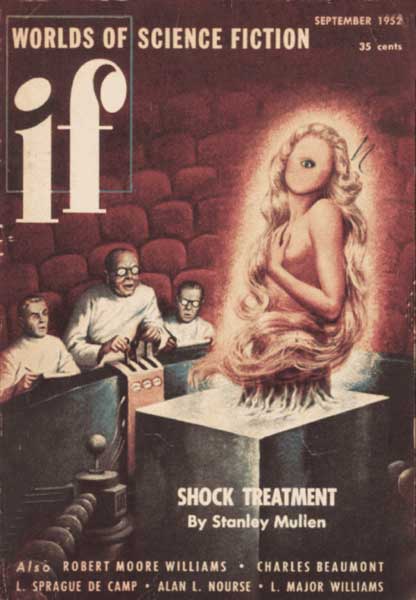
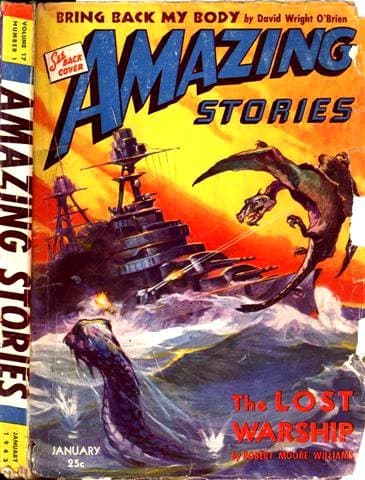
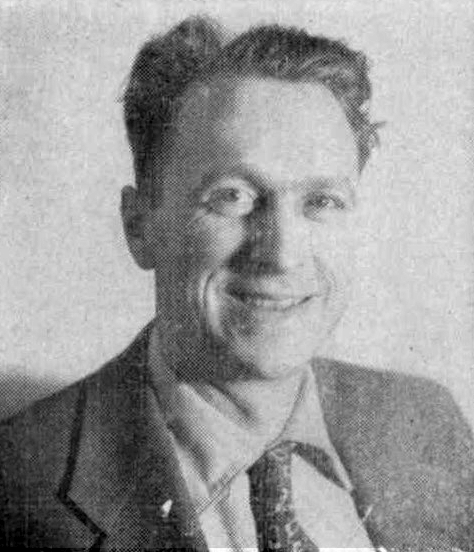
Robert Moore Williams was an influential American science fiction writer known for his prolific output and diverse pseudonyms, including John S Browning and H. H. Harmon. Born in Farmington, Missouri, he graduated from the Missouri School of Journalism in 1931, setting the stage for a career that would see him publish over 150 stories. His first notable work, 'Zero as a Limit,' appeared in Astounding Science Fiction in 1937, marking the beginning of his significant contributions to the genre. Williams's 'Jongor' series, which debuted in the 1940s and 1950s in Fantastic Adventures, showcased his imaginative storytelling and was later compiled into book form in 1970. Throughout his career, Williams's writing was characterized by a blend of adventure and speculative themes, reflecting the evolving landscape of science fiction during his time. His ability to craft engaging narratives and complex characters helped to shape the genre, influencing future writers and readers alike. Williams's legacy endures through his extensive body of work, which remains a testament to the creativity and innovation of mid-20th century science fiction.
Famous Quotes
View all 3 quotes“While her sons had found graves, fighting for freedom, something had happened to the freedom for which they fought. Nobody knew quite what had happened, but it had gone away. Possibly it had been lost as emergency followed emergency on the international scene, possibly it had been strangled in red tape as regulation followed regulation on the national scene. The time had come in America, too, as it had come to foreign lands, when all actions that were not compulsory were forbidden. Thus freedom had died.”
“We’ll get him!” said Jongor grimly. “Move, my little cabbage, move!”
“The sadness comes because we turned aside to little things and in turning aside failed to reach our dreams — and also failed to reach the potential greatness that was in us.”
Books from the author
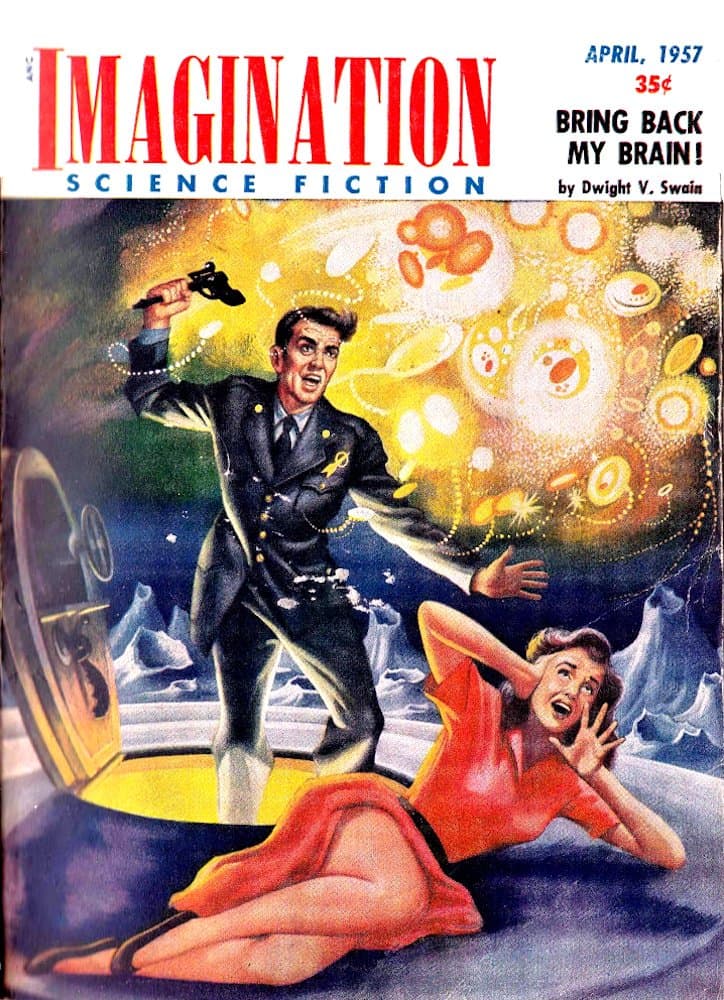
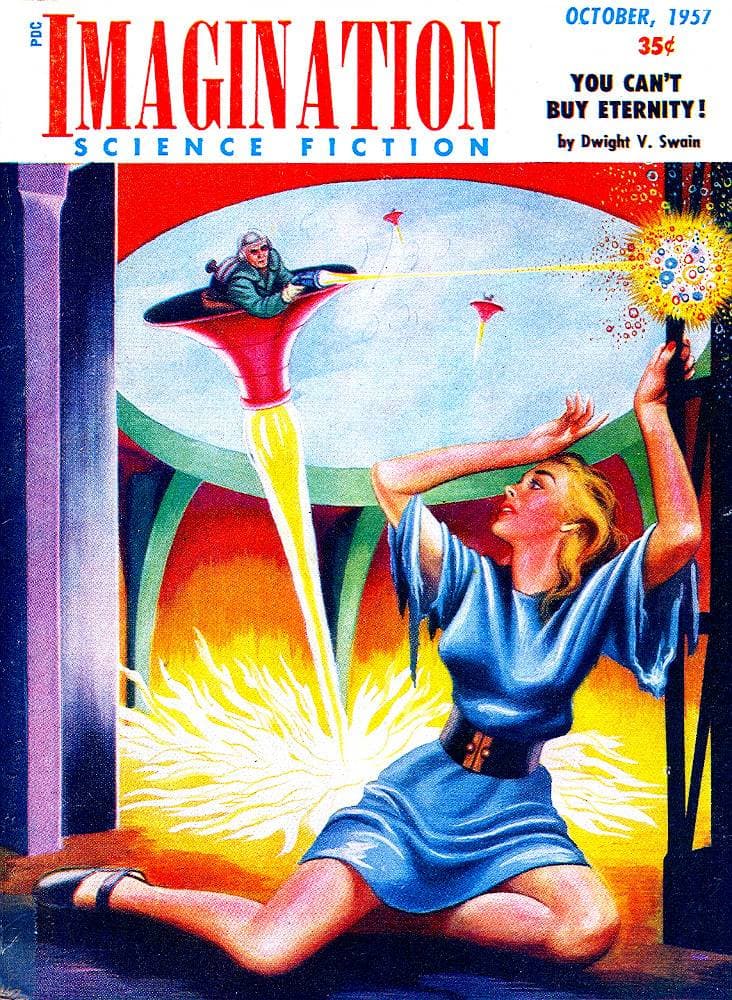
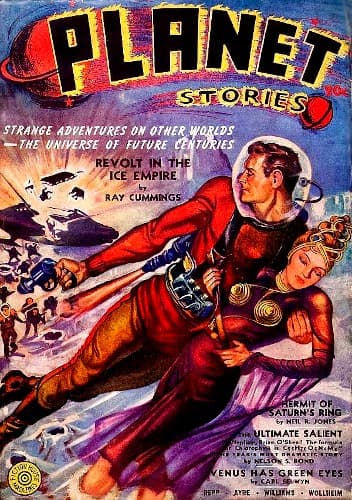
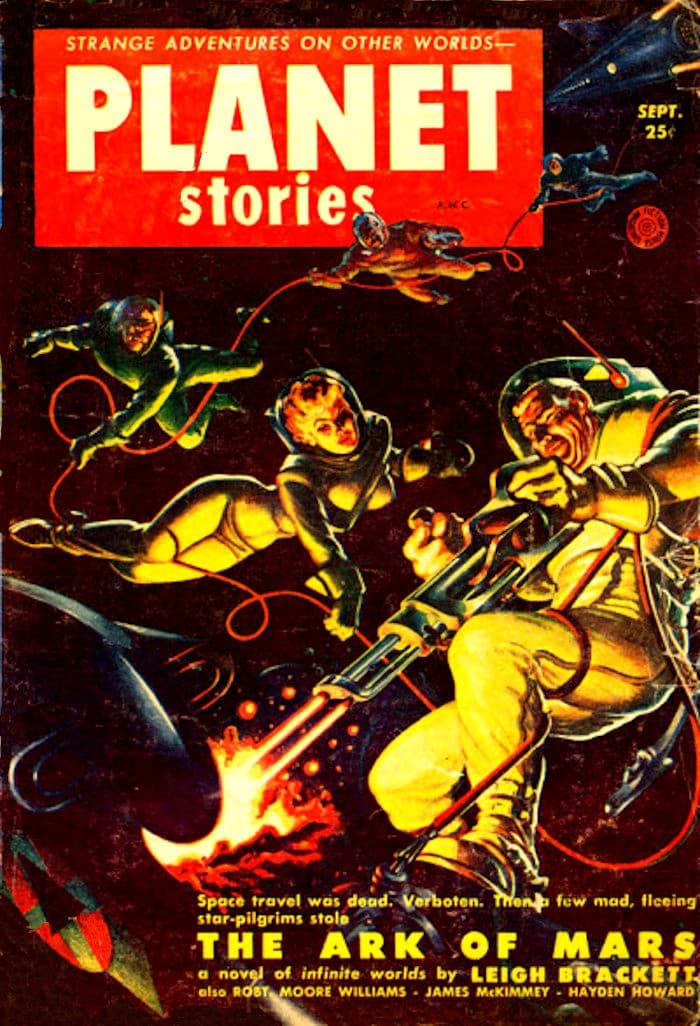
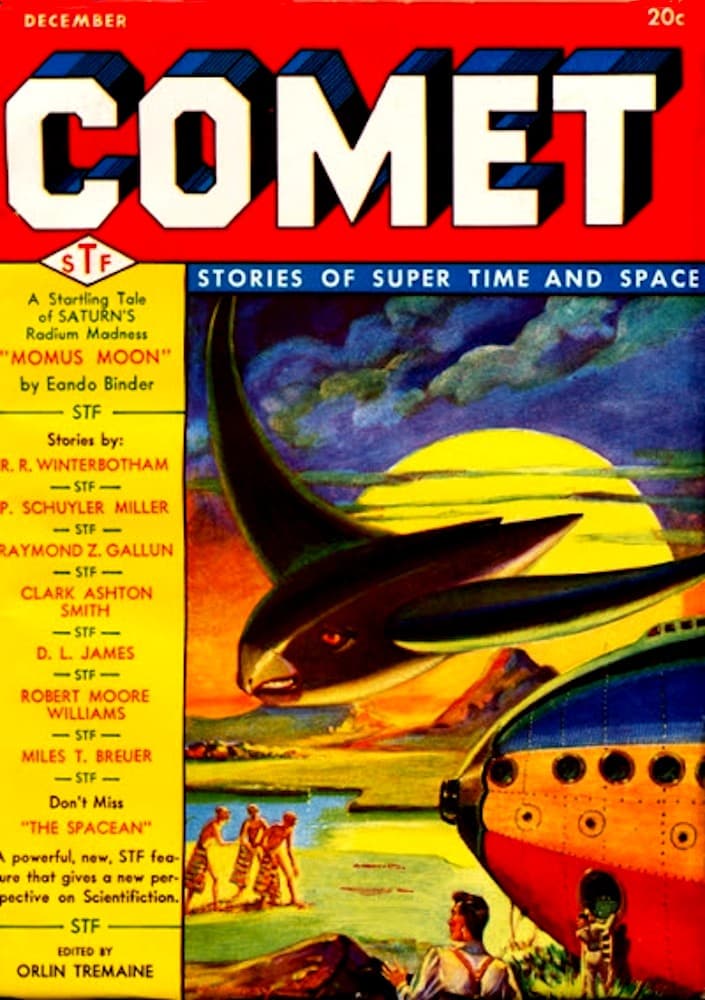
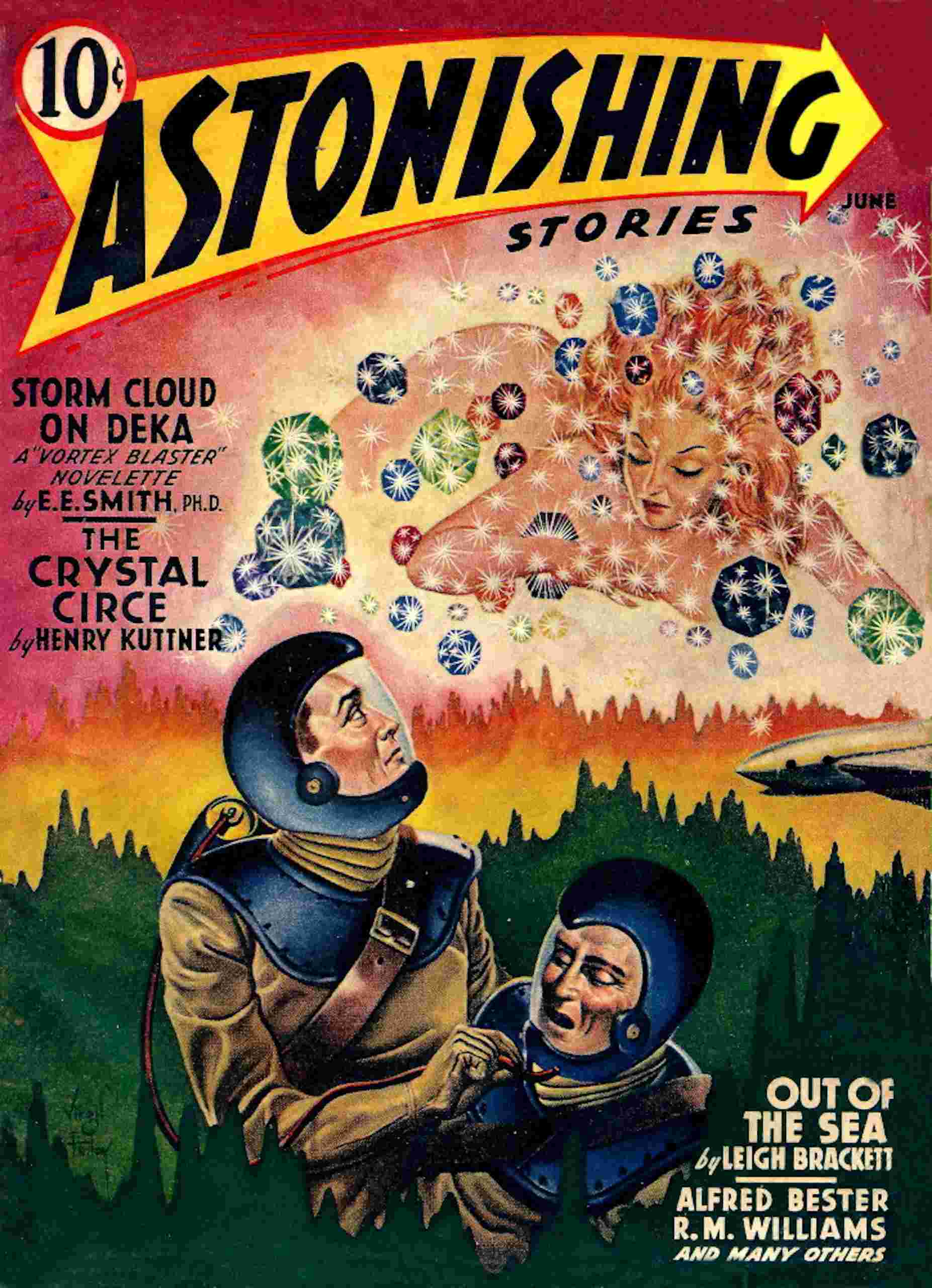
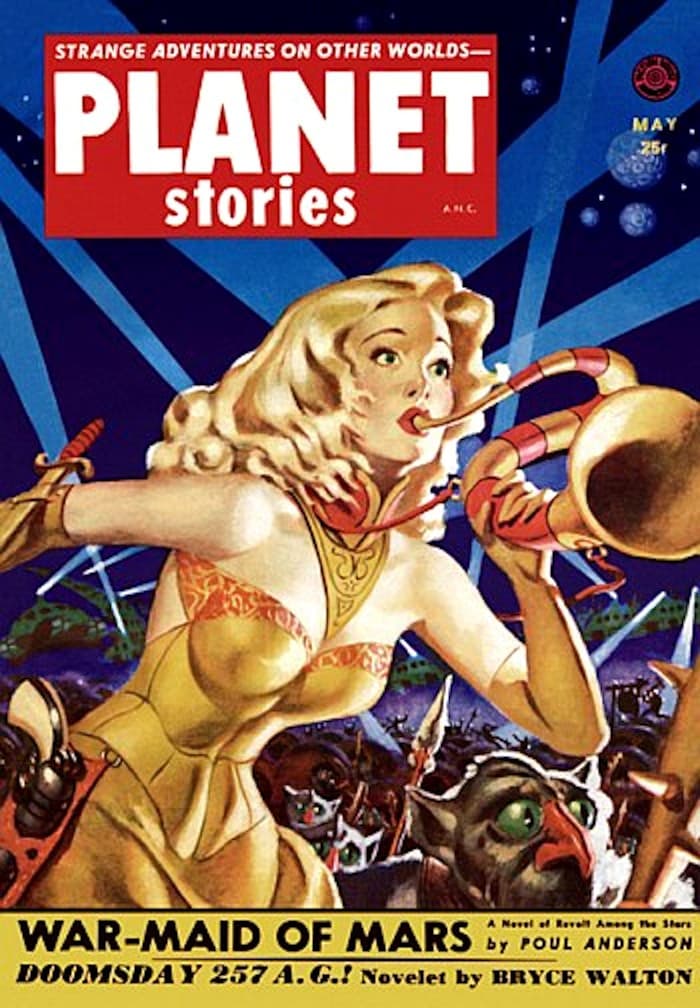
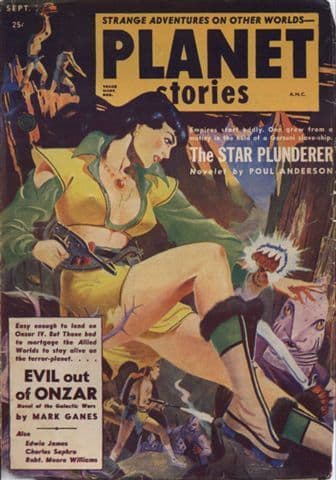




Link to this page
Add a free, dofollow link to Lex on your blog, forum, syllabus, or reading list.

<a href="https://lex-books.com/author/robert-moore-williams"><img src="https://lex-books.com/badges/read-on-lex.svg" alt="Robert Moore Williams on Lex" width="160" height="40"></a>[](https://lex-books.com/author/robert-moore-williams)[url=https://lex-books.com/author/robert-moore-williams][img]https://lex-books.com/badges/read-on-lex.svg[/img][/url]Robert Moore Williams on Lex: https://lex-books.com/author/robert-moore-williams