
W. Y. Evans-Wentz
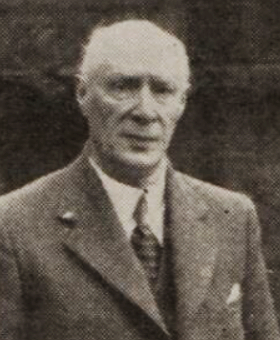
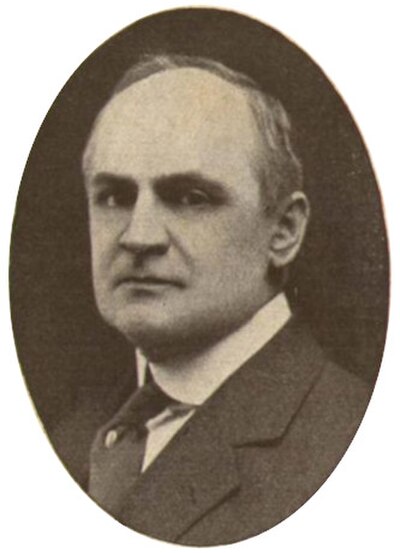
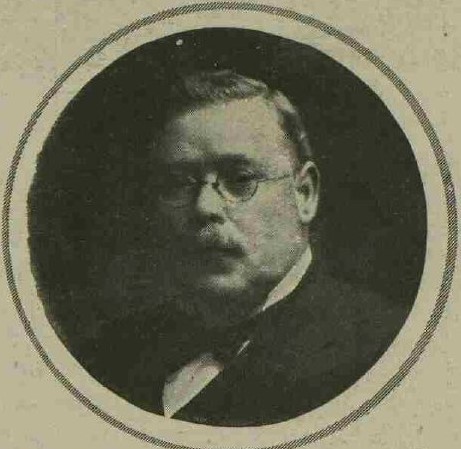
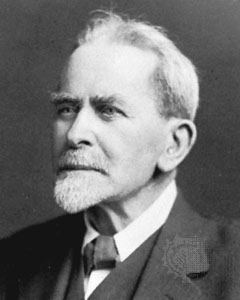
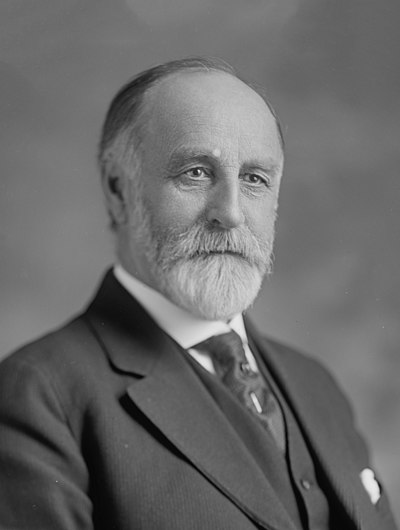
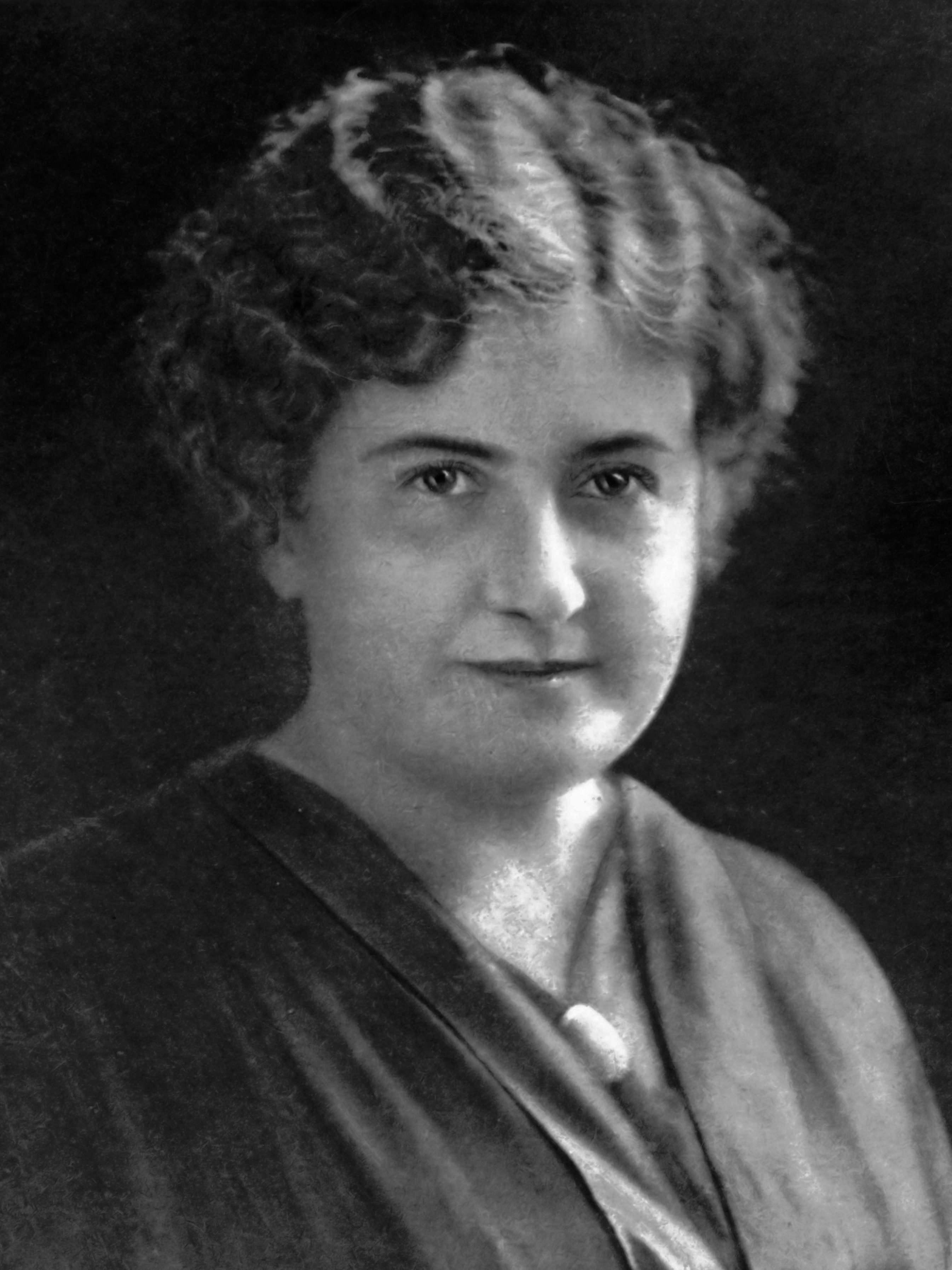
W. Y. Evans-Wentz was a pioneering figure in the study of Tibetan Buddhism and folklore, best known for his influential work, 'The Tibetan Book of the Dead.' Born in 1878, he was an American anthropologist and writer who dedicated much of his life to exploring Eastern spiritual traditions. His academic pursuits took him to Tibet, where he immersed himself in the local culture and religious practices, ultimately translating and interpreting key texts that would introduce Western audiences to Tibetan beliefs and philosophies. Evans-Wentz's contributions extended beyond mere translation; he contextualized Tibetan spirituality within a broader framework of comparative religion and psychology. His works, including 'The Fairy-Faith in Celtic Countries' and 'The Tibetan Book of the Dead,' not only provided insights into Tibetan practices but also influenced the Western understanding of Eastern spirituality during a time of growing interest in alternative philosophies. His legacy lies in bridging cultural divides and fostering a greater appreciation for the complexities of Tibetan Buddhism and folklore, making him a significant figure in the fields of anthropology and religious studies.
Famous Quotes
View all 10 quotes“As a man is taught, so he believes. Thoughts being things, they may be planted like seeds in the mind of the child and completely dominate his mental content. Given the favourable soil of the will to believe, whether the seed-thoughts be sound or unsound, whether they be of pure superstition or of realizable truth, they take root and flourish, and make the man what he is mentally.””
“Our past thinking has determined our present status, and our present thinking will determine our future status; for man is what man thinks.””
“Thine own consciousness, not formed into anything, in reality void, and the intellect, shining and blissful, --these two,-- are inseparable. The union of them is the Dharma-Kāya state of Perfect Enlightenment.””
Books from the author



Link to this page
Add a free, dofollow link to Lex on your blog, forum, syllabus, or reading list.

<a href="https://lex-books.com/author/w-y-evans-wentz"><img src="https://lex-books.com/badges/read-on-lex.svg" alt="W. Y. Evans-Wentz on Lex" width="160" height="40"></a>[](https://lex-books.com/author/w-y-evans-wentz)[url=https://lex-books.com/author/w-y-evans-wentz][img]https://lex-books.com/badges/read-on-lex.svg[/img][/url]W. Y. Evans-Wentz on Lex: https://lex-books.com/author/w-y-evans-wentz