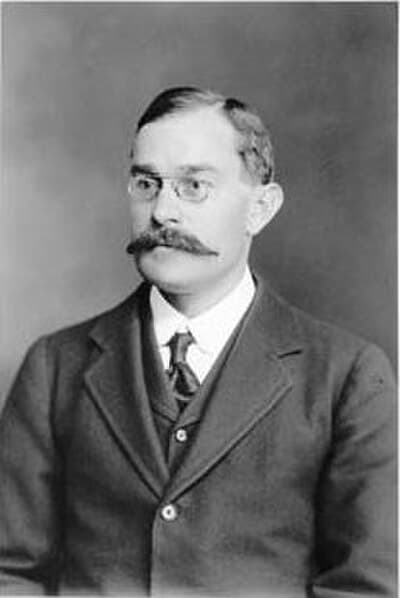
W. H. R. Rivers
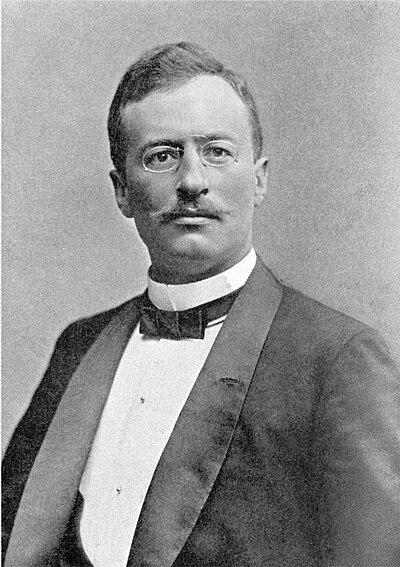
W. H. R. Rivers was a pioneering British anthropologist and neurologist, whose work significantly influenced both fields. Born in 1864, Rivers was educated at the University of Cambridge, where he developed a keen interest in psychology and anthropology. He is best known for his fieldwork among the indigenous peoples of Melanesia, particularly in the Torres Strait Islands, where he conducted extensive research on their cultures and social structures. His seminal work, "The History of Melanesian Society," published in 1914, provided a comprehensive analysis of the social organization and cultural practices of these communities, establishing him as a leading figure in the study of anthropology during his time. In addition to his anthropological contributions, Rivers was also a prominent neurologist and made significant advancements in the understanding of psychological trauma, particularly in relation to soldiers during World War I. His experiences treating war veterans led him to explore the psychological effects of trauma, culminating in his influential work on the concept of 'shell shock.' Rivers' interdisciplinary approach, bridging anthropology and psychology, left a lasting legacy in both fields, influencing future generations of researchers and practitioners. He passed away in 1922, but his contributions continue to be recognized and respected in contemporary discussions of anthropology and psychology.
Books from the author










Link to this page
Add a free, dofollow link to Lex on your blog, forum, syllabus, or reading list.

<a href="https://lex-books.com/author/w-h-r-rivers"><img src="https://lex-books.com/badges/read-on-lex.svg" alt="W. H. R. Rivers on Lex" width="160" height="40"></a>[](https://lex-books.com/author/w-h-r-rivers)[url=https://lex-books.com/author/w-h-r-rivers][img]https://lex-books.com/badges/read-on-lex.svg[/img][/url]W. H. R. Rivers on Lex: https://lex-books.com/author/w-h-r-rivers