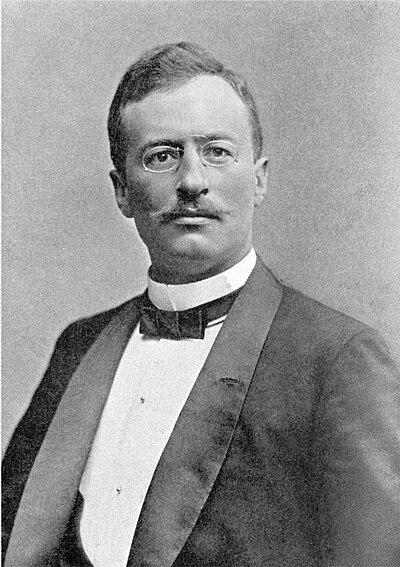
Karl Weule
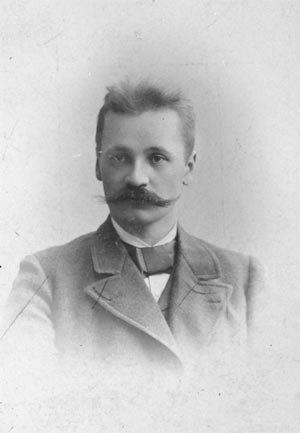
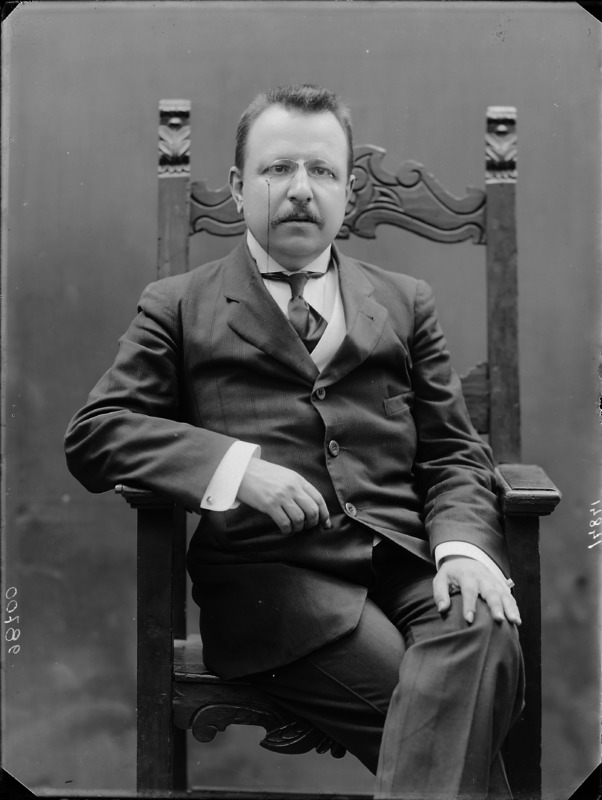
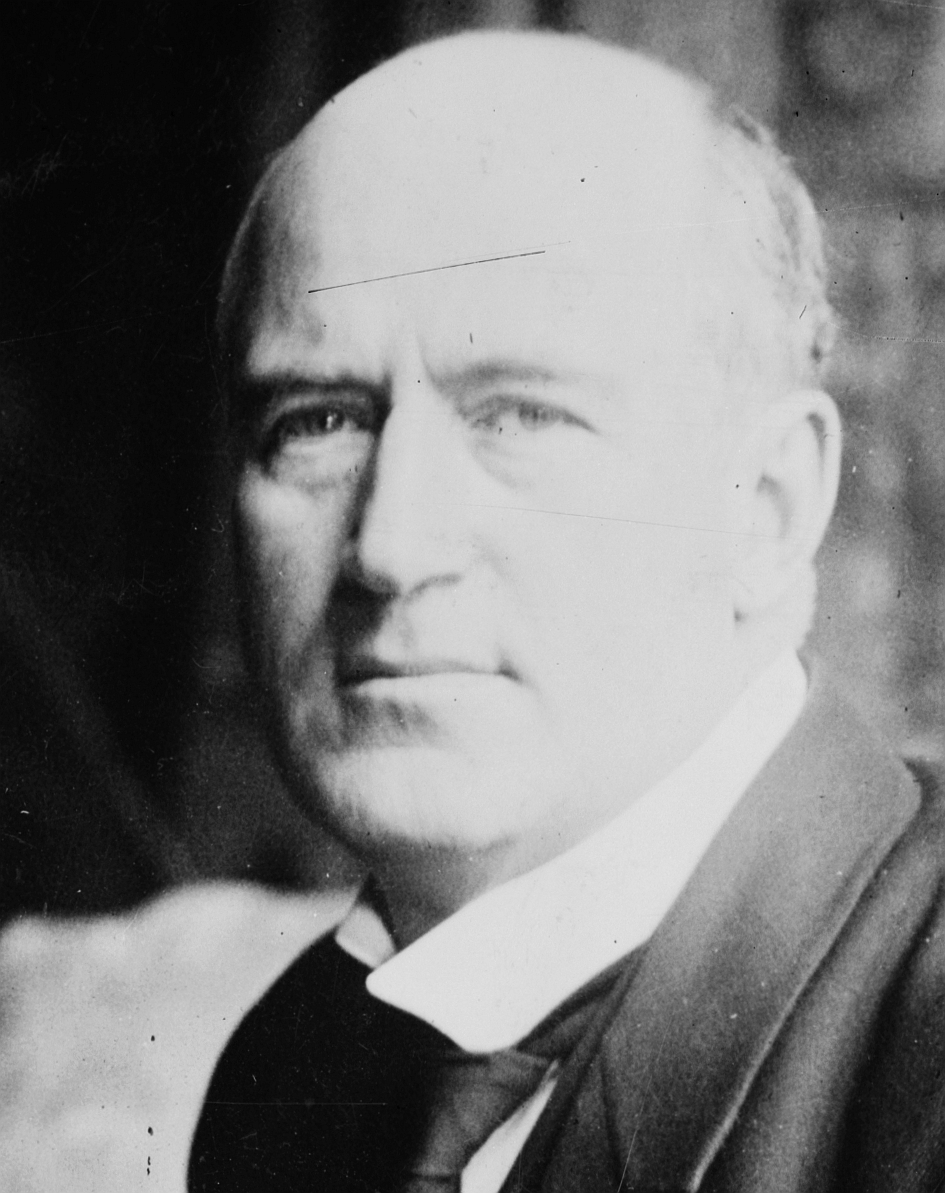
Karl Weule was a prominent German geographer and ethnologist, known for his contributions to the understanding of cultural geography and the study of indigenous peoples. Born in Alt-Wallmoden, he dedicated much of his career to exploring the relationships between geography and culture, emphasizing the importance of environmental factors in shaping human societies. Weule's work often focused on the intersection of geography and ethnology, providing insights into how geographical landscapes influenced cultural practices and social structures. As a museum director, Weule played a crucial role in curating and promoting ethnographic collections, which helped to elevate the field of ethnology in Germany. His scholarly publications contributed to the academic discourse on cultural geography, and he was instrumental in fostering a greater appreciation for the complexities of human-environment interactions. Weule's legacy endures through his innovative approaches to geography and ethnology, which laid the groundwork for future research in these fields.
Books from the author



Link to this page
Add a free, dofollow link to Lex on your blog, forum, syllabus, or reading list.

<a href="https://lex-books.com/author/karl-weule"><img src="https://lex-books.com/badges/read-on-lex.svg" alt="Karl Weule on Lex" width="160" height="40"></a>[](https://lex-books.com/author/karl-weule)[url=https://lex-books.com/author/karl-weule][img]https://lex-books.com/badges/read-on-lex.svg[/img][/url]Karl Weule on Lex: https://lex-books.com/author/karl-weule