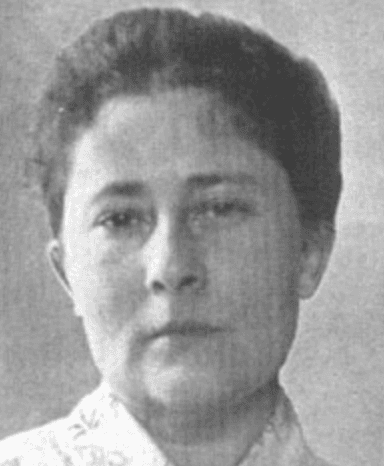
Augusta de Wit
Augusta de Wit was a Dutch writer renowned for her evocative portrayals of life in Java, where she was born in the Dutch East Indies. Her literary career was marked by a deep engagement with the cultural and social dynamics of the region, reflecting her personal experiences and observations. De Wit’s most notable works include 'The Land of the East' and 'Java, the Land of the Gods,' which offered readers a vivid glimpse into the landscapes, traditions, and complexities of Javanese society. Through her writing, she contributed significantly to the understanding of colonial life and the intricate relationships between the colonizers and the indigenous population. De Wit’s significance lies not only in her storytelling but also in her ability to capture the nuances of a culture often overlooked in Western literature. Her works are characterized by a rich descriptive style and a keen sense of place, making her an important figure in the canon of Dutch literature. Augusta de Wit’s legacy continues to resonate, as her writings provide valuable insights into the historical and cultural context of Java during a transformative period in its history.
Famous Quotes
View all 2 quotes“What is whiter than snow?' he said. 'The truth,' said Grania.'What is the best colour?' said Finn. 'The colour of childhood,' said she.'What is hotter than fire?' 'The face of a hospitable man when he sees a stranger coming in, and the house empty.''What has a taste more bitter than poison?' 'The reproach of an enemy.''What is best for a champion?' 'His doings to be high, and his pride to be low.''What is the best of jewels?' 'A knife.''What is sharper than a sword?' 'The wit of a woman between two men.''What is quicker than the wind?' said Finn then. 'A woman’s mind,' said Grania. And indeed she was telling no lie when she said that.””
“He sat beside me pleasantly and played his sweet music to me, and in the end he foretold things that put drunkenness on my wits.””
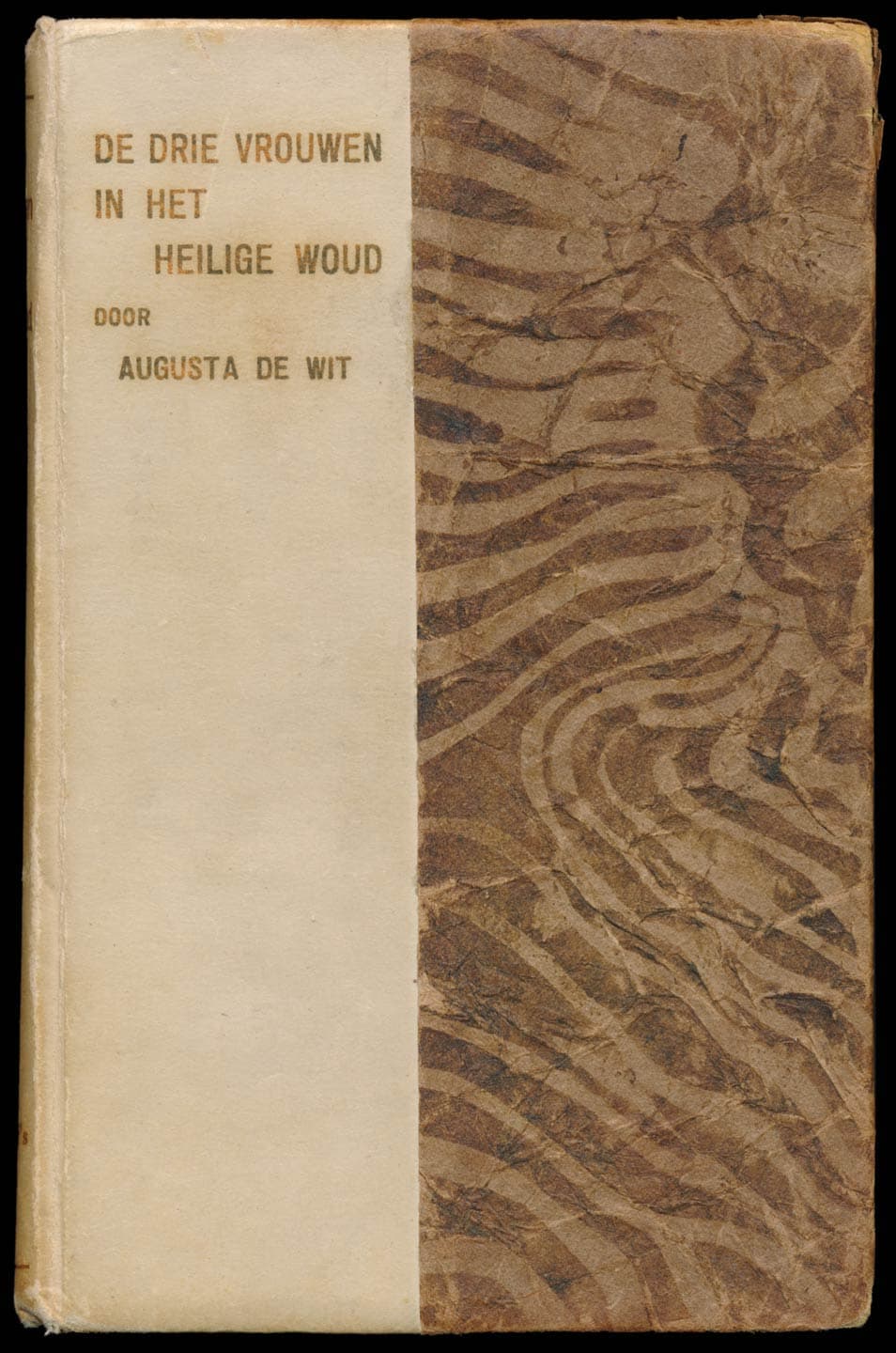
Books from the author





Link to this page
Add a free, dofollow link to Lex on your blog, forum, syllabus, or reading list.

<a href="https://lex-books.com/author/augusta-de-wit"><img src="https://lex-books.com/badges/read-on-lex.svg" alt="Augusta de Wit on Lex" width="160" height="40"></a>[](https://lex-books.com/author/augusta-de-wit)[url=https://lex-books.com/author/augusta-de-wit][img]https://lex-books.com/badges/read-on-lex.svg[/img][/url]Augusta de Wit on Lex: https://lex-books.com/author/augusta-de-wit