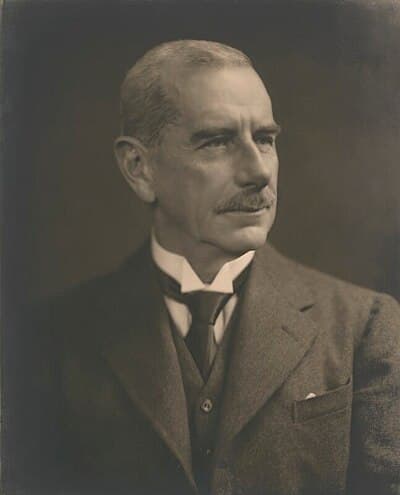
Basil Thomson
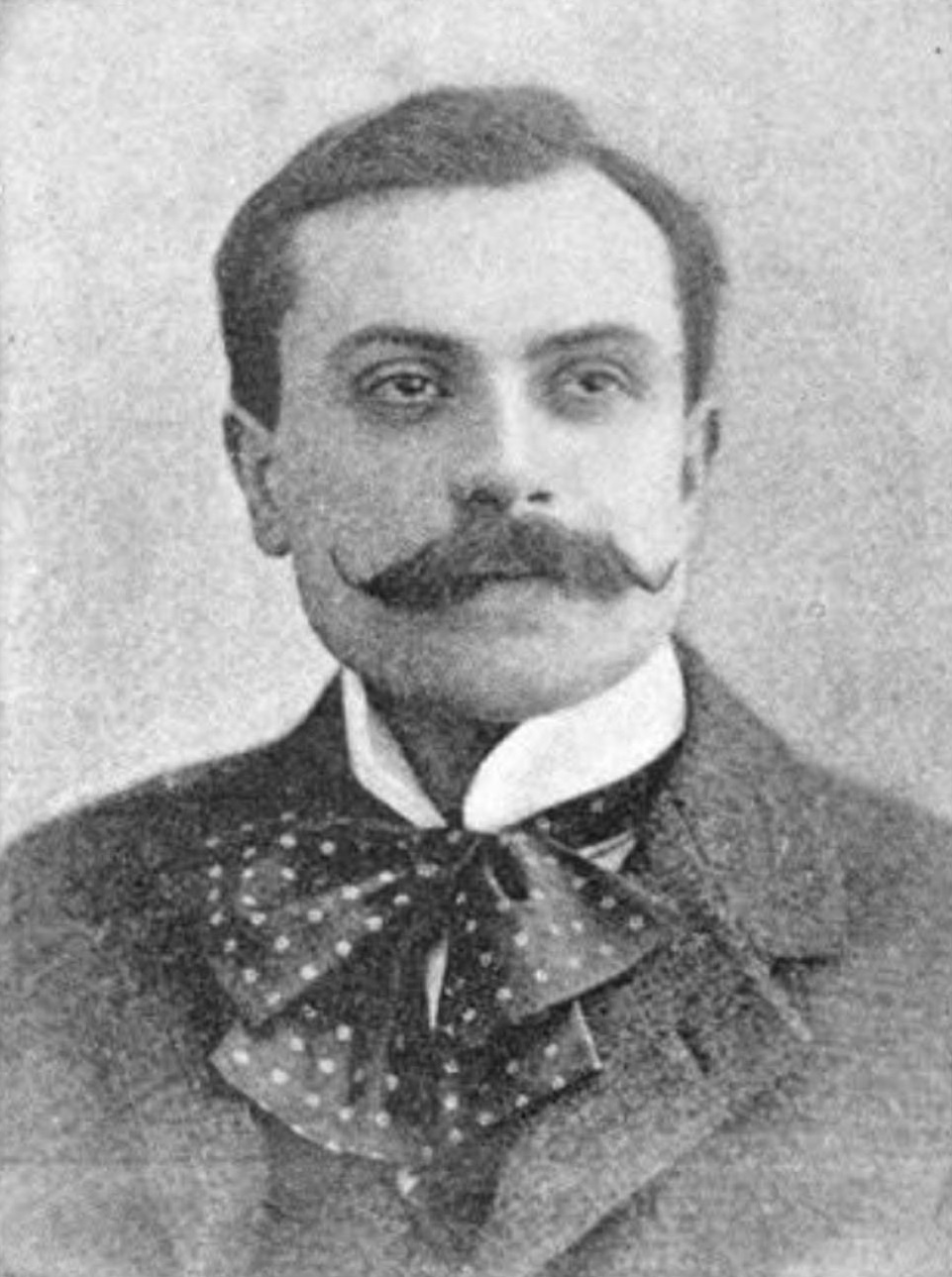
Sir Basil Home Thomson was a British colonial administrator and novelist, known for his significant role as head of the Metropolitan Police CID during World War I. In this capacity, he was instrumental in the arrest and prosecution of wartime spies, including the infamous Mata Hari and notable figures such as Sir Roger Casement. His tenure was marked by a controversial equating of Jews with Bolshevism, which led to accusations of anti-Semitism and has since colored his legacy. Beyond his administrative duties, Thomson was also a prolific writer, producing a number of novels that contributed to his reputation as a literary figure of his time. Thomson's literary works often reflected his experiences and observations from his career in law enforcement and colonial administration. His dual identity as both a police chief and a novelist provides a unique lens through which to view the social and political issues of his era. Although his views on certain subjects have drawn criticism, his contributions to literature and his role in shaping public safety during a tumultuous period in British history remain significant. Thomson's life encapsulates the complexities of a man who navigated the intersections of power, politics, and creativity, leaving behind a multifaceted legacy that continues to be examined today.
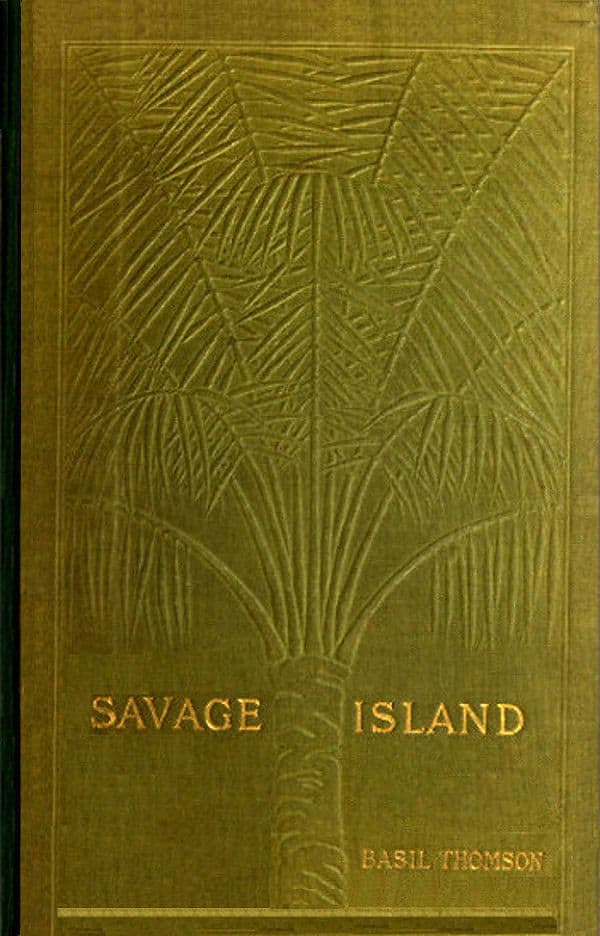
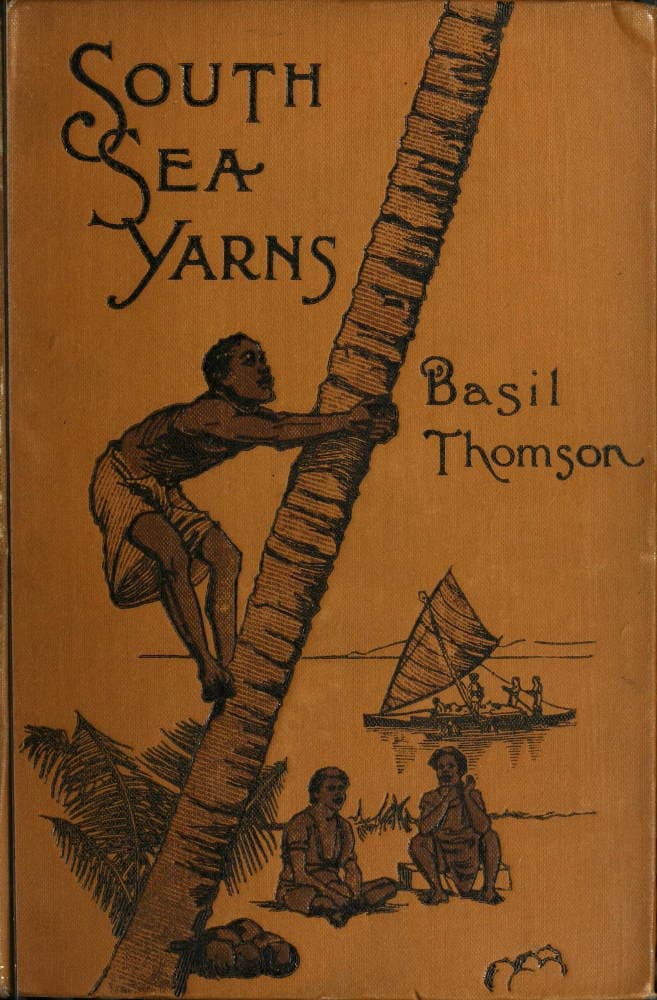
Books from the author


Link to this page
Add a free, dofollow link to Lex on your blog, forum, syllabus, or reading list.

<a href="https://lex-books.com/author/basil-thomson"><img src="https://lex-books.com/badges/read-on-lex.svg" alt="Basil Thomson on Lex" width="160" height="40"></a>[](https://lex-books.com/author/basil-thomson)[url=https://lex-books.com/author/basil-thomson][img]https://lex-books.com/badges/read-on-lex.svg[/img][/url]Basil Thomson on Lex: https://lex-books.com/author/basil-thomson