Kinship and Social Organisation
1914
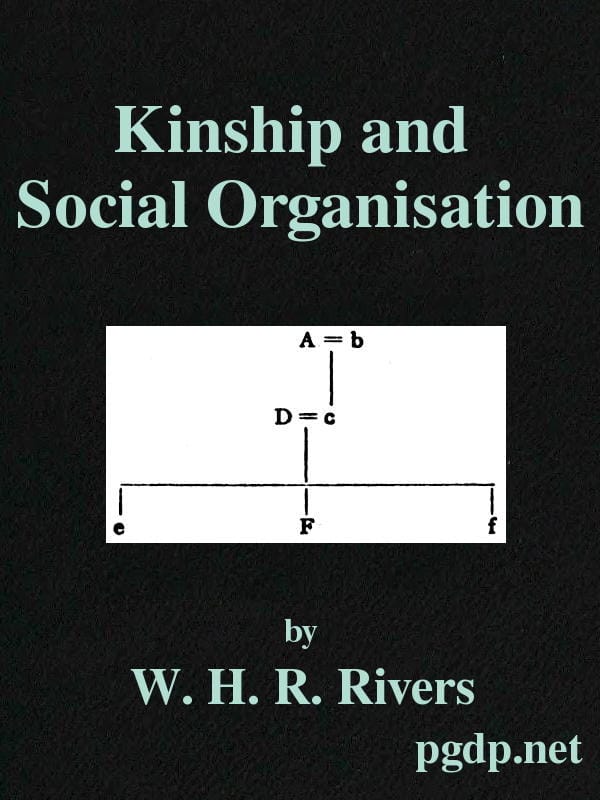
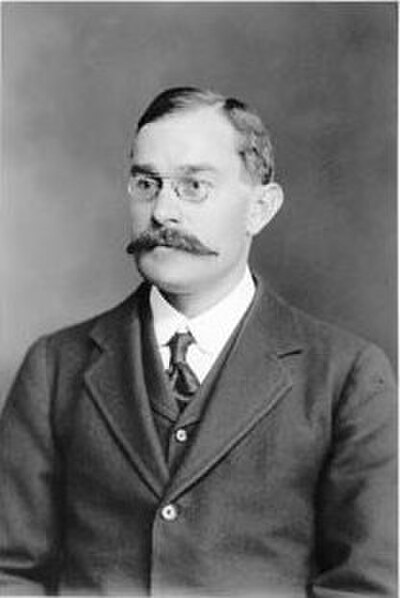
Published in 1914, these three lectures establish a radical premise: the kinship terms we use for family are not arbitrary labels but windows into the social structures that produced them. W.H.R. Rivers, the Cambridge physiologist turned anthropologist, argues that how a society categorises relatives reveals its deepest truths about marriage, descent, and group affiliation. Drawing on fieldwork across the Pacific and engaging critically with Lewis Morgan's classificatory systems, Rivers demonstrates that cultures which lump diverse relations under single terms do so because their social lives actually group people in similarly broad categories. The book remains essential reading because it founded the method that would become British social anthropology: rigorous fieldwork, genealogical data, and the insistence that kinship terminology and social organisation are two faces of the same reality. This edition also includes Rivers' earlier essay on the genealogical method, which virtually invented how anthropologists collect family histories. Raymond Firth and David Schneider provide retrospectives on Rivers' enduring influence.
Editions
Link to this book
Add a free, dofollow link to Lex on your blog, forum, syllabus, or reading list.

<a href="https://lex-books.com/book/kinship-and-social-organisation-3ab73ece-6f5c-43a3-aab4-da30909d9218"><img src="https://lex-books.com/badges/read-on-lex.svg" alt="Read Kinship and Social Organisation by W. H. R. Rivers free on Lex" width="160" height="40"></a>[](https://lex-books.com/book/kinship-and-social-organisation-3ab73ece-6f5c-43a3-aab4-da30909d9218)[url=https://lex-books.com/book/kinship-and-social-organisation-3ab73ece-6f5c-43a3-aab4-da30909d9218][img]https://lex-books.com/badges/read-on-lex.svg[/img][/url]Read Kinship and Social Organisation by W. H. R. Rivers free on Lex: https://lex-books.com/book/kinship-and-social-organisation-3ab73ece-6f5c-43a3-aab4-da30909d9218Cite this book
Reading this edition for a paper or guide? Copy a citation.
Rivers, W. H. R.. Kinship and Social Organisation. Lex, lex-books.com/book/kinship-and-social-organisation-3ab73ece-6f5c-43a3-aab4-da30909d9218.Rivers, W. H. R. (1914). Kinship and Social Organisation. Lex. https://lex-books.com/book/kinship-and-social-organisation-3ab73ece-6f5c-43a3-aab4-da30909d9218Rivers, W. H. R.. Kinship and Social Organisation. Lex. https://lex-books.com/book/kinship-and-social-organisation-3ab73ece-6f5c-43a3-aab4-da30909d9218.