
Tom Kettle
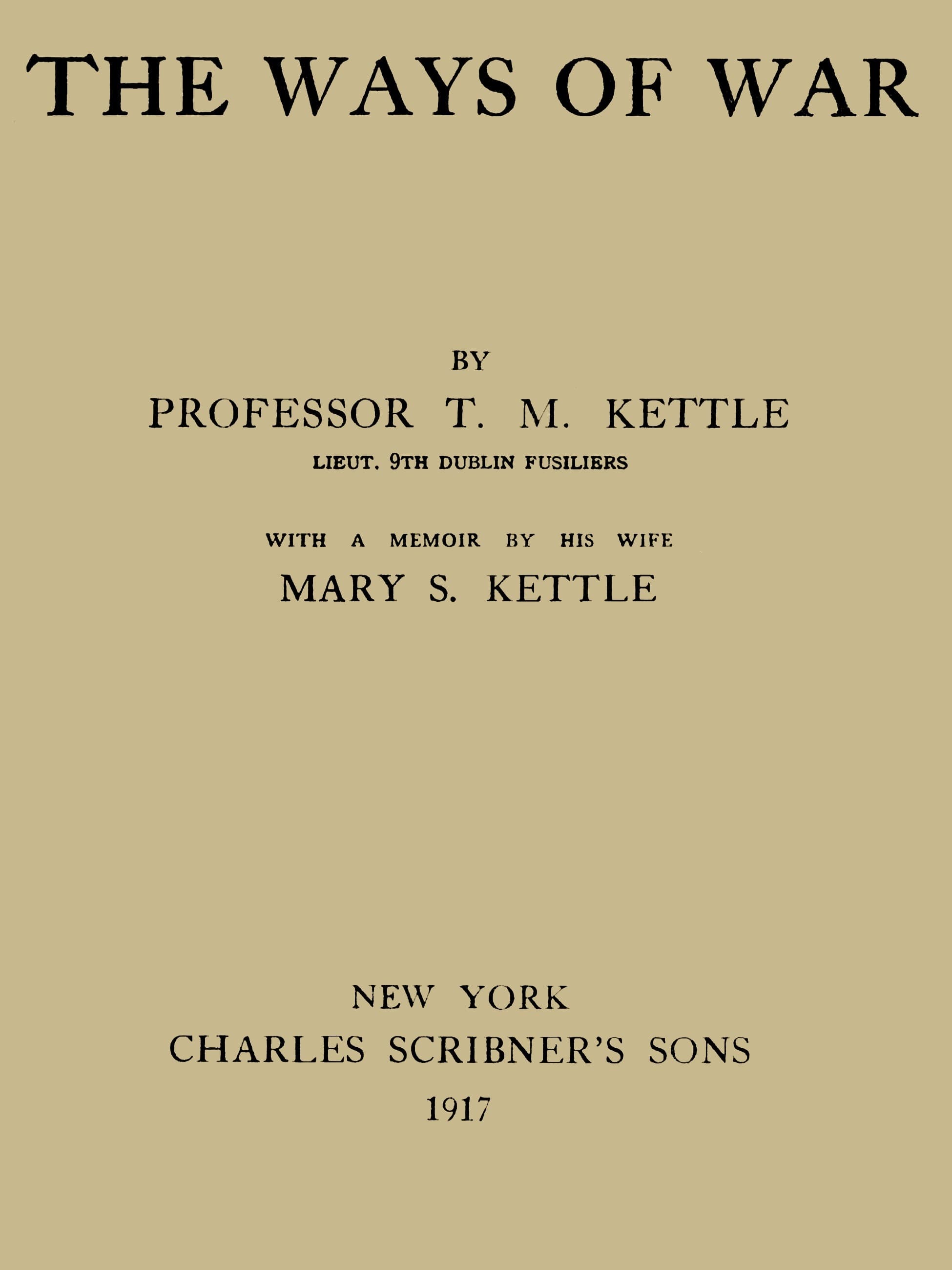
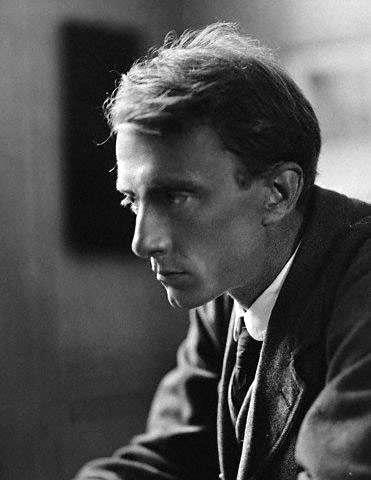
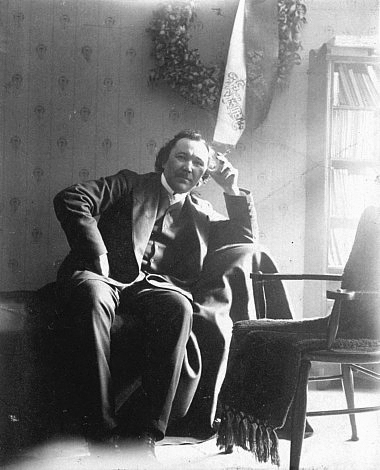
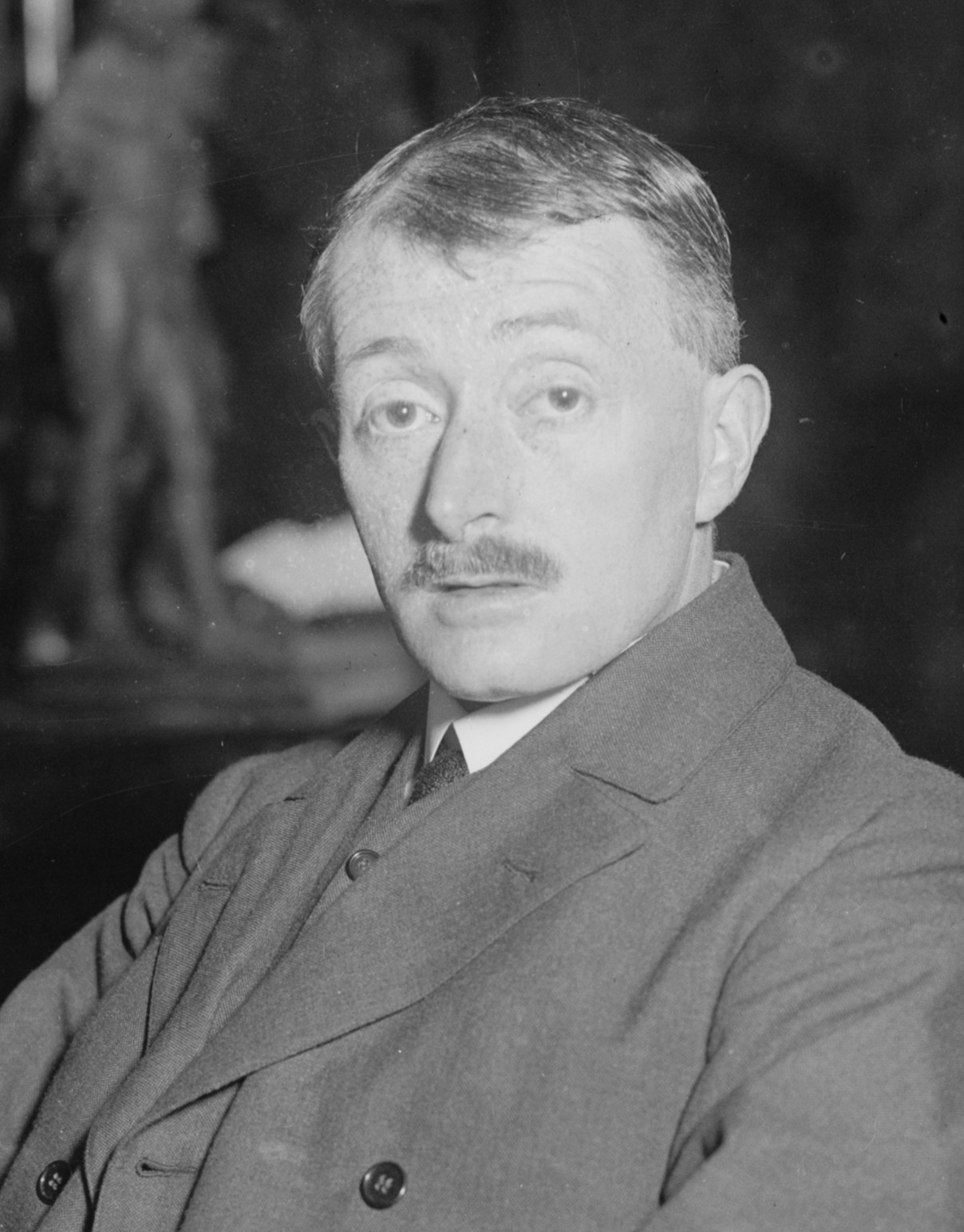
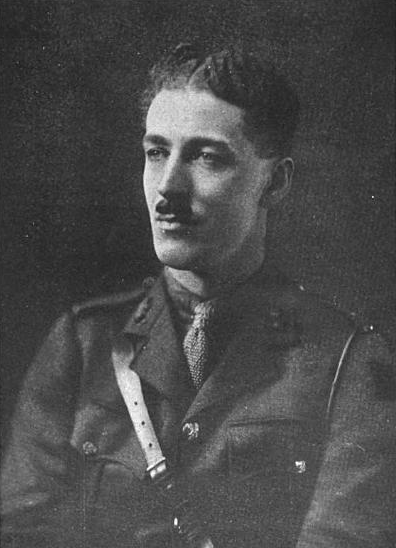
Thomas Michael Kettle was an influential Irish economist, journalist, barrister, and war poet whose life was marked by a deep commitment to both politics and literature. Born in 1880, he became a prominent member of the Irish Parliamentary Party, serving as the Member of Parliament for East Tyrone from 1906 to 1910. Kettle was a key figure in the movement advocating for All-Ireland Home Rule, contributing to the intellectual revival of Irish politics at the turn of the twentieth century. His eloquence and sharp wit made him a respected orator, and he was well-regarded among contemporaries, including James Joyce, who considered him his closest friend in Ireland. With the outbreak of World War I, Kettle enlisted in the British Army, driven by a sense of duty and patriotism. Tragically, he was killed in action on the Western Front in 1916, a loss that resonated deeply within the Irish community. His poetry, characterized by its poignant reflections on war and humanity, remains a testament to his literary talent and his commitment to peace. Kettle's legacy endures as a symbol of the complex interplay between Irish nationalism and the broader European context of his time, embodying the spirit of a generation that sought to navigate the turbulent waters of identity and conflict in early 20th-century Ireland.
Famous Quotes
View all 3 quotes“Everyone knew Russia’s ambitions extended to the Crimea, but a few years earlier some steam was let out of the kettle when the pro-nationalist Ukrainian president was replaced by a pro-Russian successor. The fate of the Black Sea fleet in the port of Sevastopol seemed secure, and Russia went about its business.””
“Sue stepped into a haven that smelled of candles and lemon-scented dish soap, a cabinet of curiosities, one of which was the bathtub smack dab in the middle of the small kitchen. Bob Roy’s railroad flat was four tight, connected rooms, each stuffed with koombies, knickknacks, doodads, furniture pieces of any style, shelves, books, photos in frames, trophies bought from flea markets, old records, small lamps, and calendars from decades before. “I know,” he said. “It looks like I sell magic potions in here, like I’m an animated badger from a Disney cartoon.” He lit a burner on the stove with a huge kitchen match, then filled a shiny, Olde English–style kettle with water from the tap. As he prepared cups on a tray he said, “Tea in minutes, titmouse. Make a home for yourself.””
“The kitchen had no toaster or kettle or microwave or other labour-saving device. In a cupboard he found a set of three rugged iron camping pans – small, medium and large. In another he found a twelve-piece crockery set. The only food he found was an unopened box of cereal. There were enough carbohydrates contained within to keep a person alive for a long time.””
Books from the author


Link to this page
Add a free, dofollow link to Lex on your blog, forum, syllabus, or reading list.

<a href="https://lex-books.com/author/tom-kettle"><img src="https://lex-books.com/badges/read-on-lex.svg" alt="Tom Kettle on Lex" width="160" height="40"></a>[](https://lex-books.com/author/tom-kettle)[url=https://lex-books.com/author/tom-kettle][img]https://lex-books.com/badges/read-on-lex.svg[/img][/url]Tom Kettle on Lex: https://lex-books.com/author/tom-kettle