Gordon Home
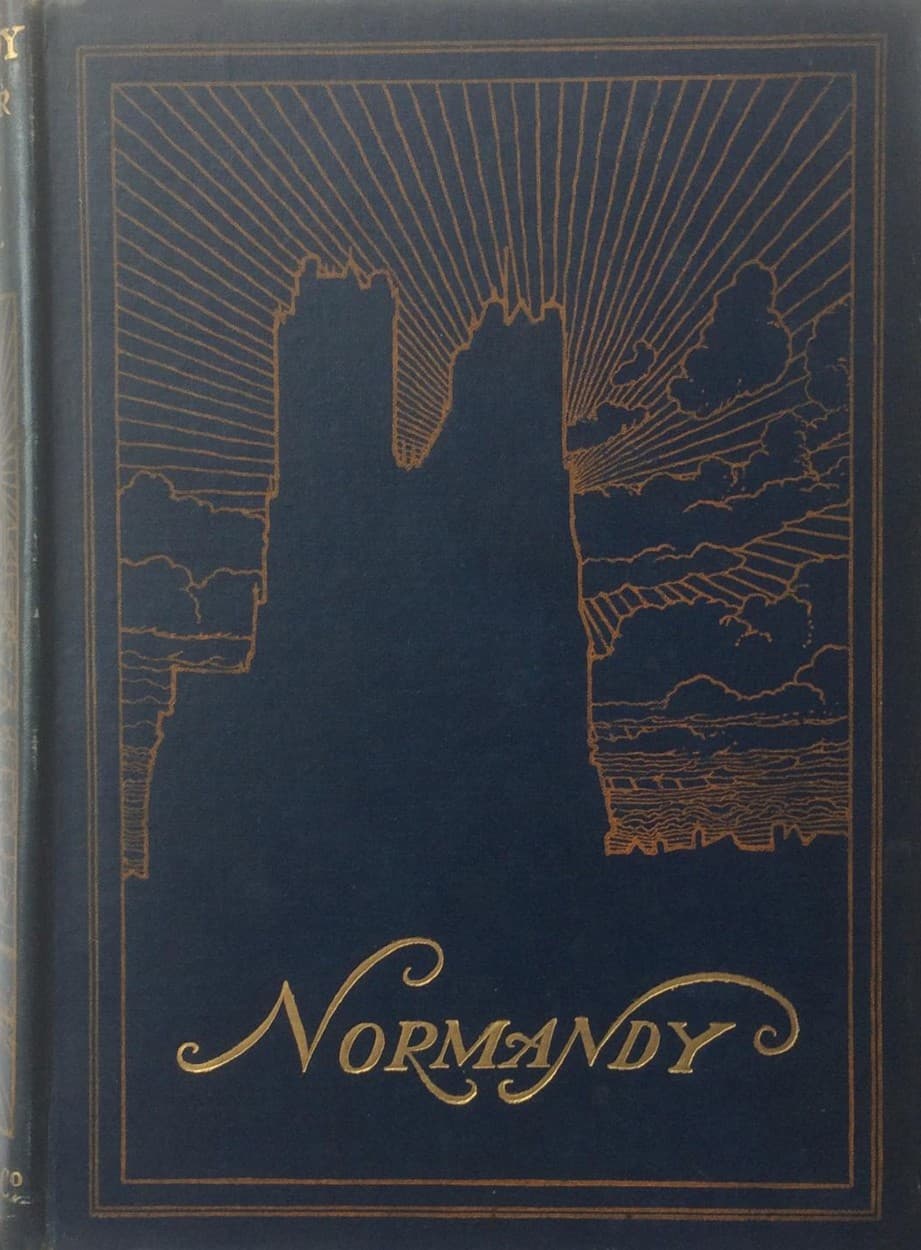
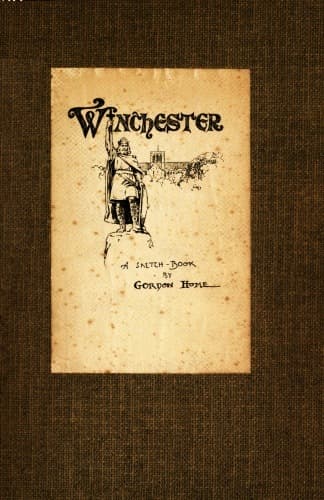
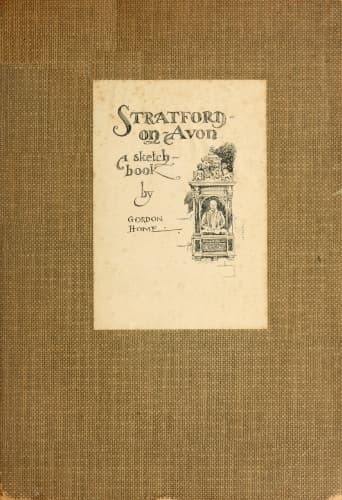
Gordon Home was an English landscape artist, writer, and illustrator known for his evocative watercolors and detailed pen-and-ink drawings. Born in London, he cultivated his artistic talents early and later became an art editor for notable publications such as 'The Tatler' and 'The King'. His military service as a Major in the Royal Army Service Corps during World War I took him to France and North Africa, experiences that would influence his artistic perspective and subject matter. Home's travels across North Africa and the British Empire enriched his understanding of diverse landscapes, which he captured in his work. Home was a prolific author and illustrator, contributing to the fields of travel and history literature with numerous publications for esteemed publishers like A & C Black and J M Dent. His works often combined his artistic skills with informative narratives, making them both visually appealing and educational. Notably, he exhibited at the Royal Academy and was part of the inaugural exhibition of the Society of Graphic Art in 1921. Through his unique blend of art and literature, Home left a lasting impact on the portrayal of landscapes and travel in the early 20th century, establishing himself as a significant figure in English art and literature.
Famous Quotes
View all 19 quotes“Let us never forget to pray. God lives. He is near. He is real. He is not only aware of us but cares for us. He is our Father. He is accessible to all who will seek Him.””
“The willingness to forgive is a sign of spiritual and emotional maturity. It is one of the great virtues to which we all should aspire. Imagine a world filled with individuals willing both to apologize and to accept an apology. Is there any problem that could not be solved among people who possessed the humility and largeness of spirit and soul to do either -- or both -- when needed?””
“The best antidote I know for worry is work. The best cure for weariness is the challenge of helping someone who is even more tired. One of the great ironies of life is this: He or she who serves almost always benefits more than he or she who is served.””
Books from the author











Link to this page
Add a free, dofollow link to Lex on your blog, forum, syllabus, or reading list.

<a href="https://lex-books.com/author/gordon-home"><img src="https://lex-books.com/badges/read-on-lex.svg" alt="Gordon Home on Lex" width="160" height="40"></a>[](https://lex-books.com/author/gordon-home)[url=https://lex-books.com/author/gordon-home][img]https://lex-books.com/badges/read-on-lex.svg[/img][/url]Gordon Home on Lex: https://lex-books.com/author/gordon-home