
Thomas Taylor
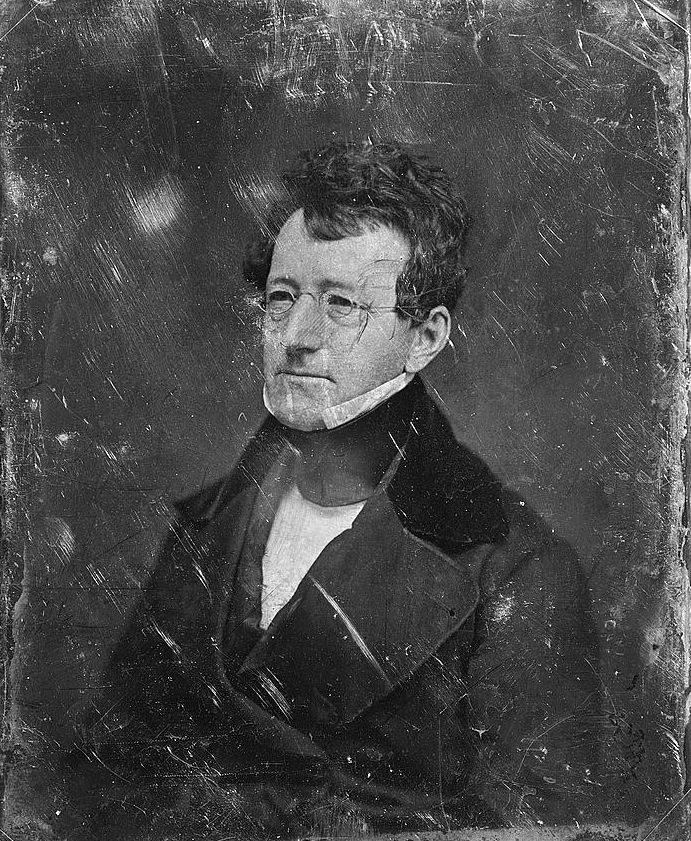
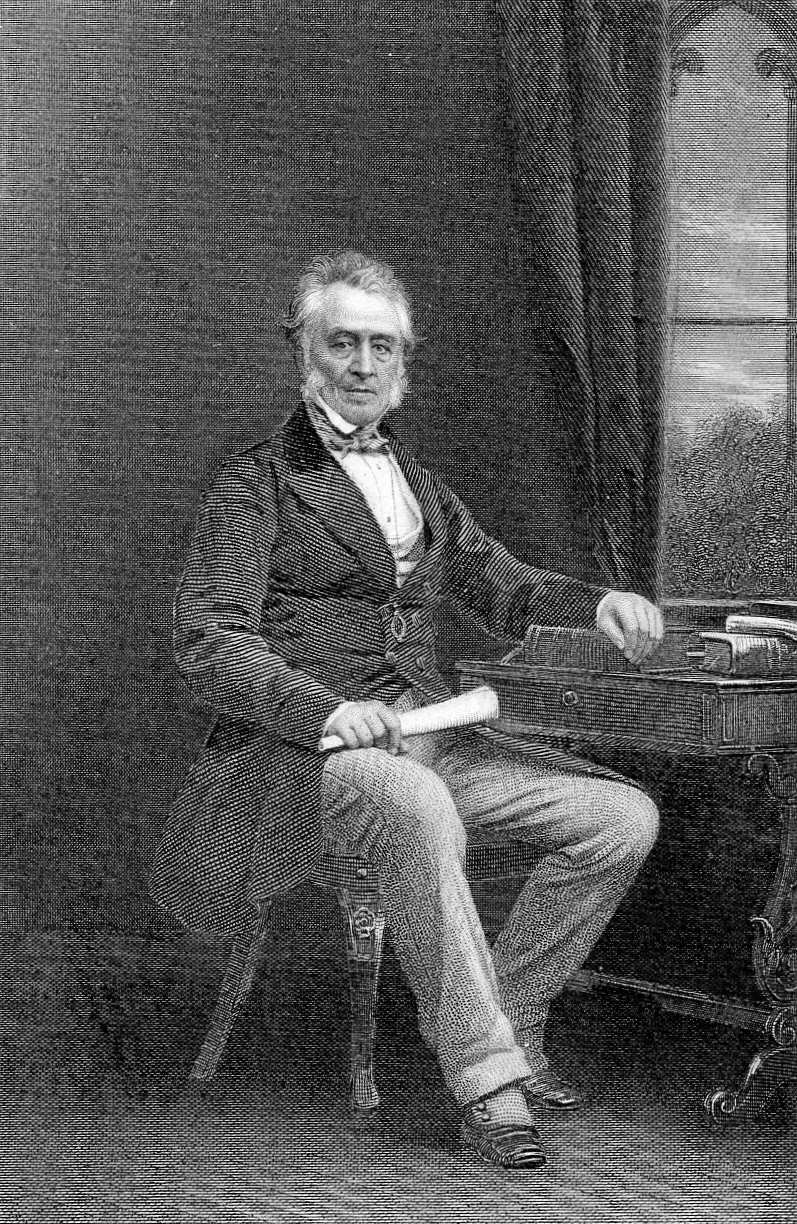
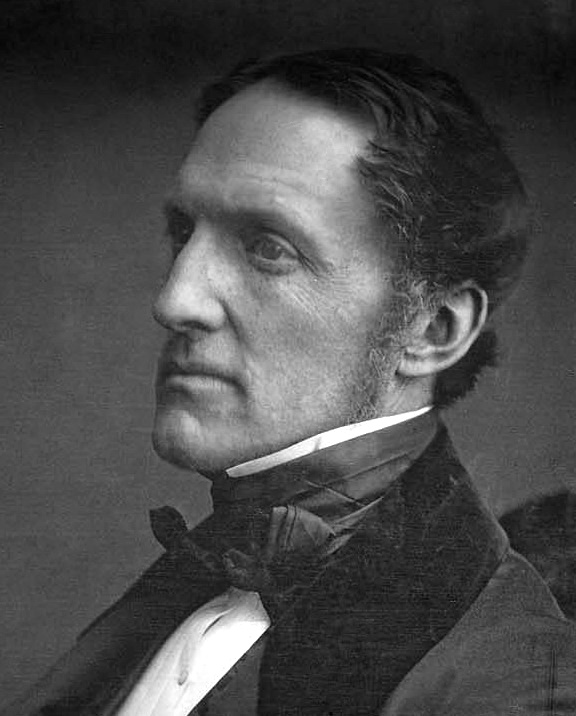
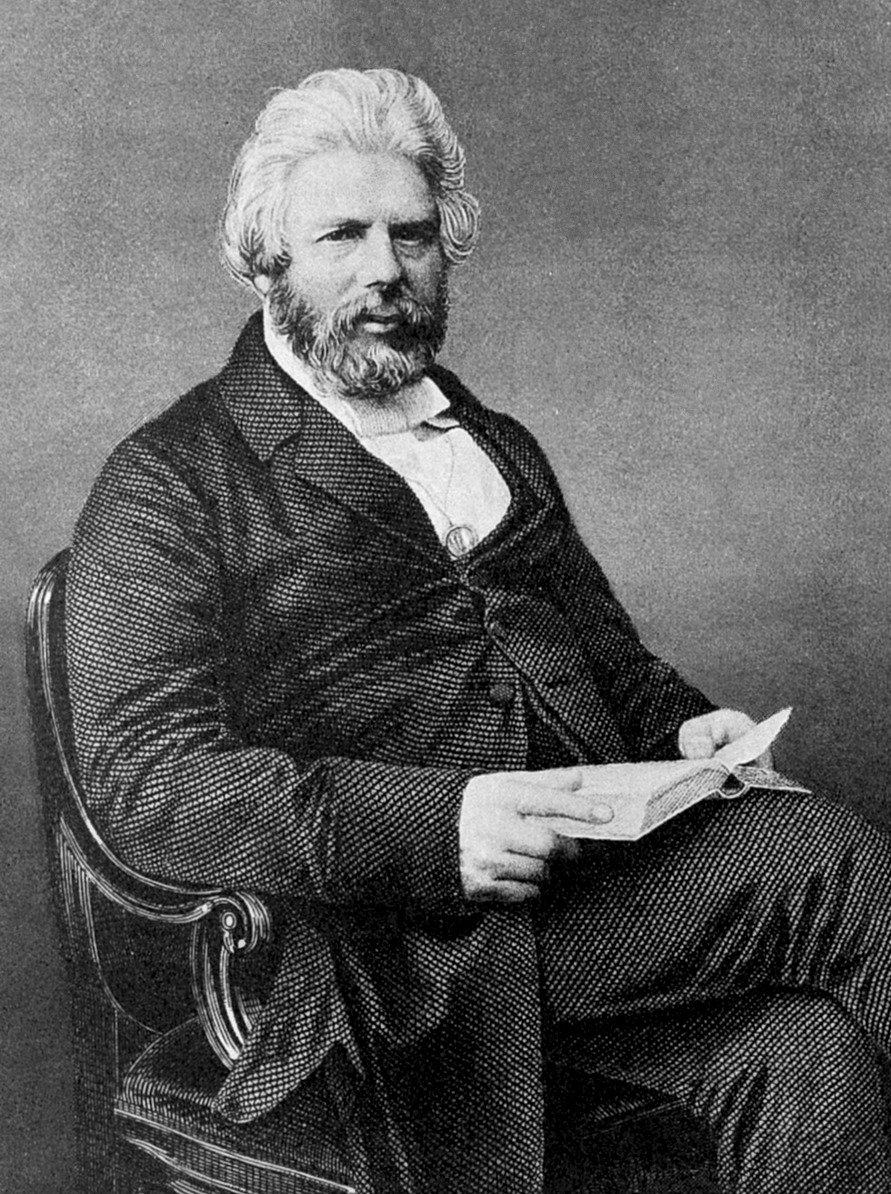
Thomas Taylor was an influential English translator and philosopher, renowned for his translations of ancient Greek philosophical texts, particularly those of Plato and Plotinus. Born in 1758, Taylor was deeply immersed in the study of Neoplatonism, which shaped his interpretations and translations. His seminal work, 'The Philosophy of Plato,' published in 1804, not only made Plato's ideas more accessible to the English-speaking world but also sparked interest in Neoplatonic thought during a time when classical philosophy was often overlooked. Taylor's translations were characterized by their fidelity to the original texts and a commitment to conveying the philosophical depth of the works he engaged with. In addition to his translations, Taylor was a proponent of the mystical and spiritual dimensions of philosophy, which he believed were essential to understanding the true essence of Platonic thought. His writings contributed to the revival of interest in ancient philosophy during the Romantic period, influencing contemporaries and later thinkers. Taylor's legacy endures through his role in bridging the gap between ancient and modern philosophical discourse, as well as through his impact on the study of Neoplatonism and its relevance in the context of 19th-century thought.
Famous Quotes
View all 3 quotes“A book is like a mirror. We always see ourselves inside.”
“Curiosity may have killed the cat, but that doesn’t mean cats shouldn’t be curious.”
“If the impossible is possible anywhere, it’ll be possible in Eerie-on-Sea.”
Books from the author





Link to this page
Add a free, dofollow link to Lex on your blog, forum, syllabus, or reading list.

<a href="https://lex-books.com/author/thomas-taylor"><img src="https://lex-books.com/badges/read-on-lex.svg" alt="Thomas Taylor on Lex" width="160" height="40"></a>[](https://lex-books.com/author/thomas-taylor)[url=https://lex-books.com/author/thomas-taylor][img]https://lex-books.com/badges/read-on-lex.svg[/img][/url]Thomas Taylor on Lex: https://lex-books.com/author/thomas-taylor