Thomas Smith
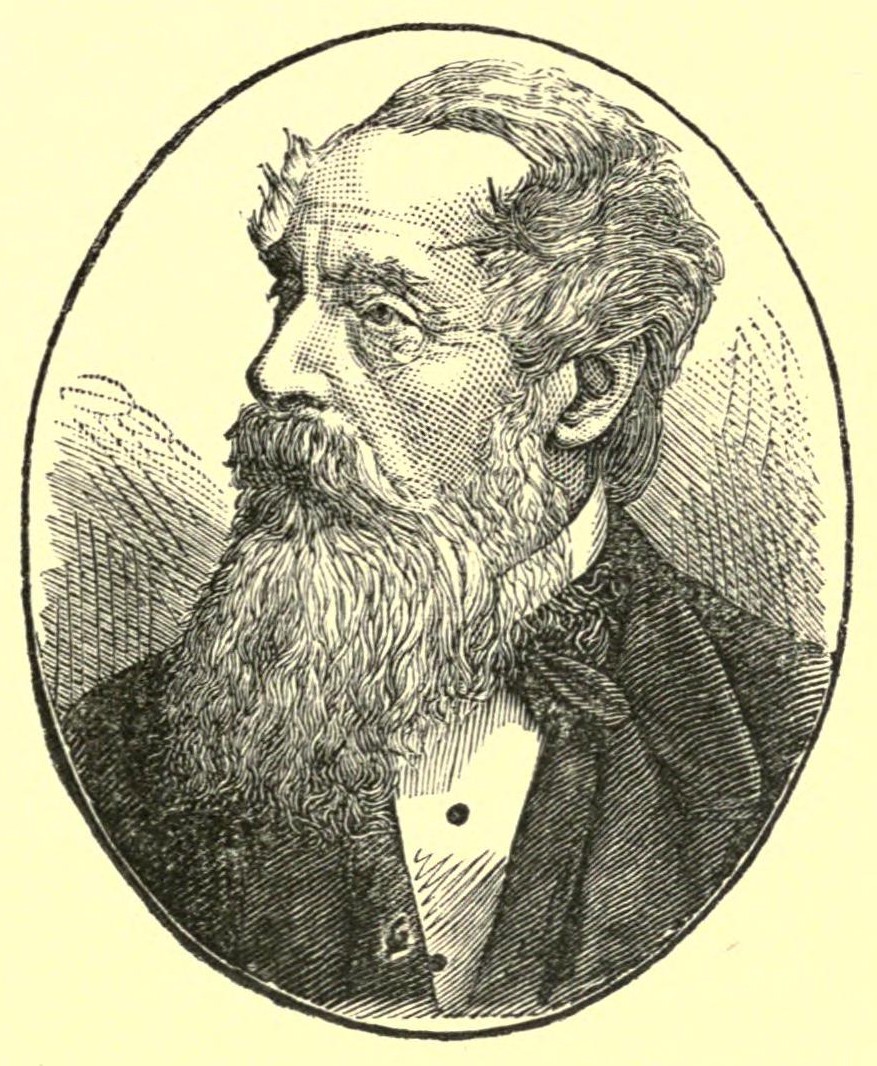
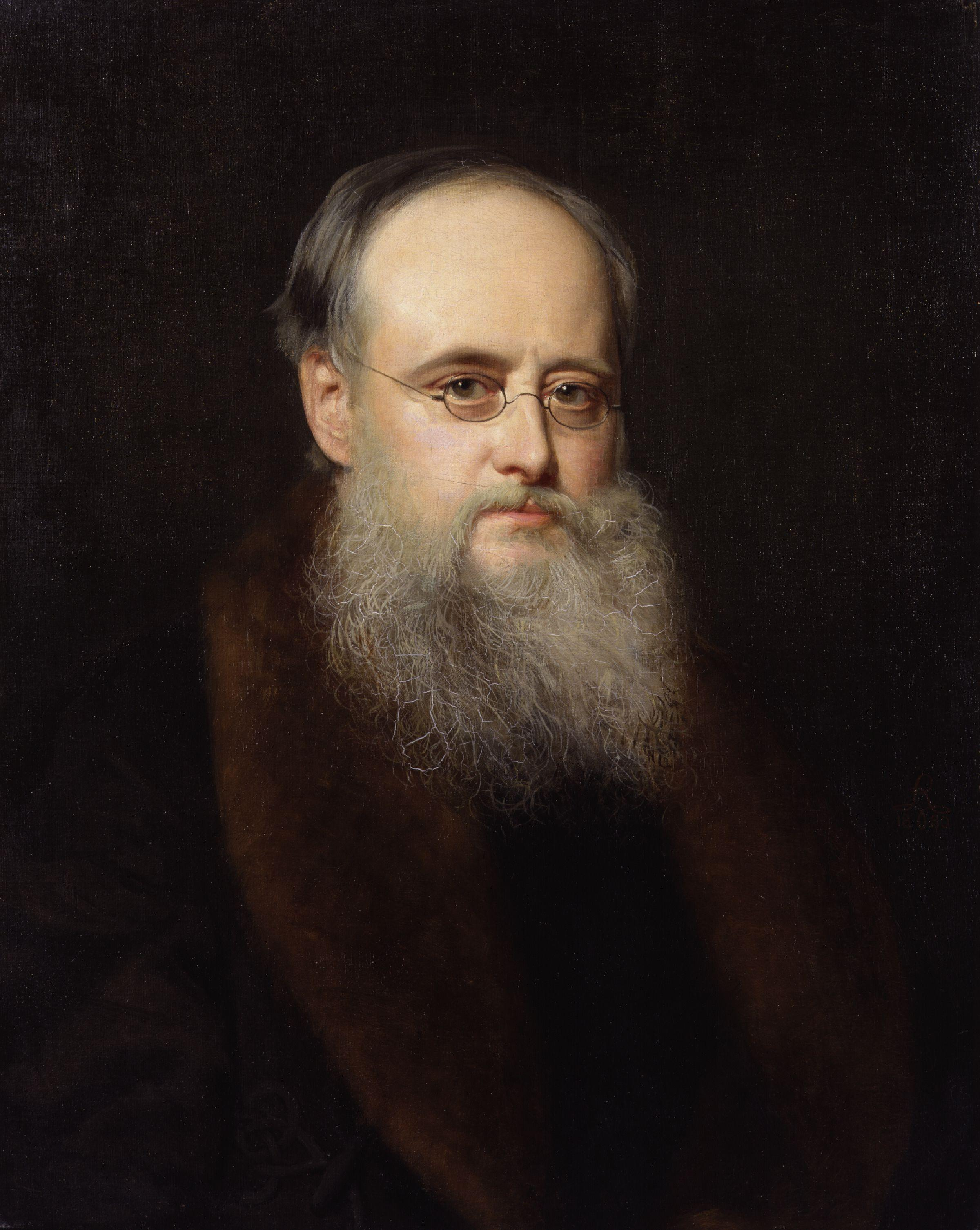
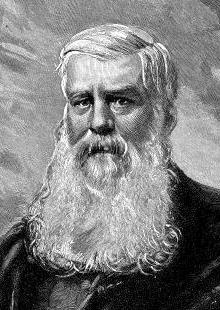
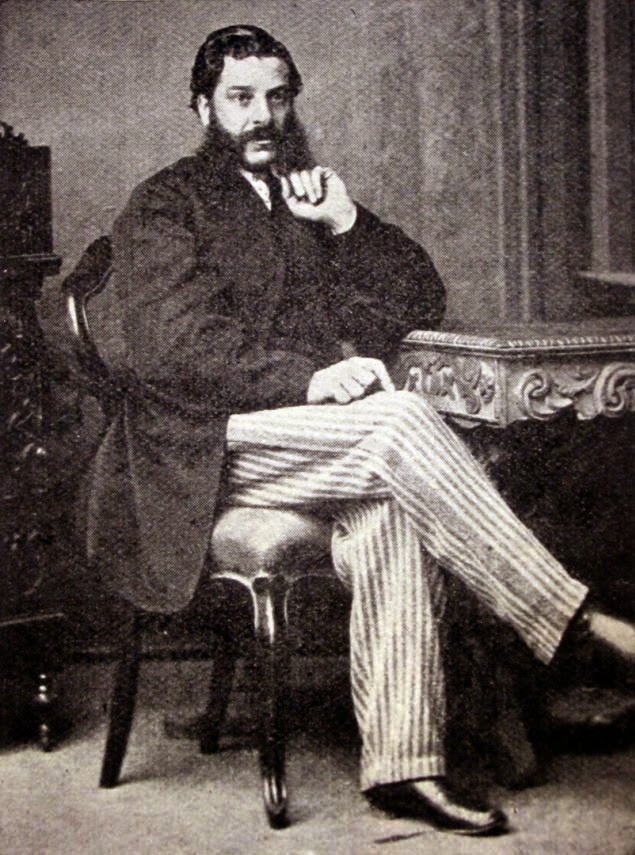
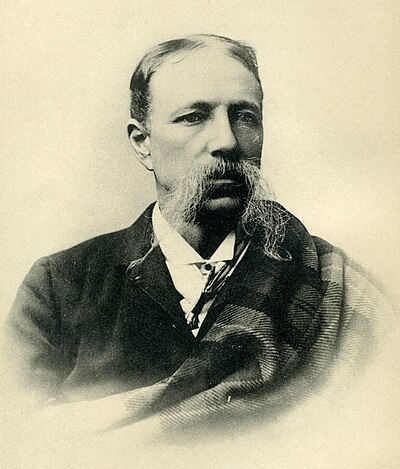
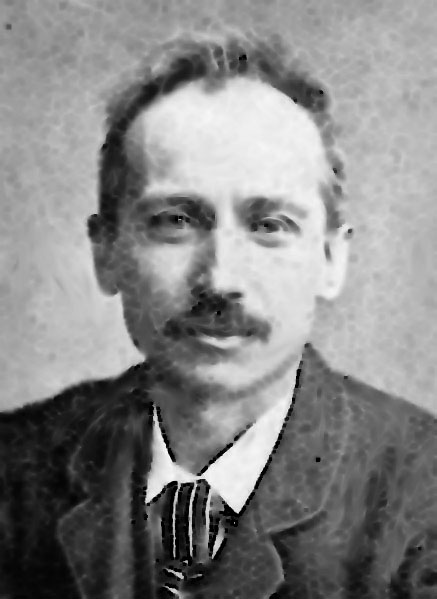
Thomas Smith was a British author and compiler known for his diverse contributions to literature in the 19th century. His works often blended scientific inquiry with popular writing, making complex subjects accessible to a broader audience. Among his notable publications is 'The Life of a Fox, Written by Himself,' which presents a unique anthropomorphic narrative, reflecting Smith's interest in nature and animal behavior. This work, along with 'The Wonders of Nature and Art,' showcases his ability to weave together historical, geographical, and scientific knowledge into engaging prose. Smith's 'The Scientific Library; Or, Repository of Useful and Polite Literature' series further exemplifies his commitment to education and enlightenment during a time when scientific understanding was rapidly evolving. This collection aimed to provide readers with a comprehensive overview of various disciplines, including astronomy and natural history, highlighting the interconnectedness of knowledge. Through his writings, Smith contributed to the popularization of science and literature, leaving a legacy that emphasized the importance of curiosity and learning in the Victorian era.
Famous Quotes
View all 12 quotes“The hocus-pocus phantasm of a God like another Cerberus, with one body and three heads, had its birth and growth in the blood of thousands and thousands of martyrs... In fact, the Athanasian paradox that one is three, and three but one, is so incomprehensible to the human mind, that no candid man can say he has any idea of it, and how can he believe what presents no idea? He who thinks he does, only deceives himself. He proves, also, that .[]””
“I think one of the sweetest lessons taught by the Prophet, and yet one of the saddest, occurred close to the time of his death. He was required to leave his plan and vision of the Rocky Mountains and give himself up to face a court of supposed justice.These are his words: 'I am going like a lamb to the slaughter; but I am calm as a summer's morning; I have a conscience void of offense towards God, and towards all men' (D&C 135:4). That statement of the Prophet teaches us obedience to law and the importance of having a clear conscience toward God and toward our fellowmen. The Prophet Joseph Smith taught these principles--by example.There was to be one great final lesson before his mortal life ended. He was incarcerated in Carthage Jail with his brother Hyrum, with John Taylor, and with Willard Richards. The angry mob stormed the jail; they came up the stairway, blasphemous in their cursing, heavily armed, and began to fire at will. Hyrum was hit and died. John Taylor took several balls of fire within his bosom. The Prophet Joseph, with his pistol in hand, was attempting to defend his life and that of his brethren, and yet he could tell from the pounding on the door that this mob would storm that door and would kill John Taylor and Willard Richards in an attempt to kill him.And so his last great act here upon the earth was to leave the door and lead Willard Richards to safety, throw the gun on the floor, and go to the window, that they might see him, that the attention of this ruthless mob might be focused upon him rather than the others. Joseph Smith gave his life. Willard Richards was spared, and John Taylor recovered from his wounds.'Greater love hath no man than this, that a man lay down his life for his friends' (John 15:13). The Prophet Joseph Smith taught us love--by example.””
“for what justice is there in this: that a nobleman, a goldsmith, a banker, or any other man, that either does nothing at all, or, at best, is employed in things that are of no use to the public, should live in great luxury and splendour upon what is so ill acquired, and a mean man, a carter, a smith, or a ploughman, that works harder even than the beasts themselves, and is employed in labours so necessary, that no commonwealth could hold out a year without them, can only earn so poor a livelihood and must lead so miserable a life, that the condition of the beasts is much better than theirs? ””
Books from the author


Link to this page
Add a free, dofollow link to Lex on your blog, forum, syllabus, or reading list.

<a href="https://lex-books.com/author/thomas-smith"><img src="https://lex-books.com/badges/read-on-lex.svg" alt="Thomas Smith on Lex" width="160" height="40"></a>[](https://lex-books.com/author/thomas-smith)[url=https://lex-books.com/author/thomas-smith][img]https://lex-books.com/badges/read-on-lex.svg[/img][/url]Thomas Smith on Lex: https://lex-books.com/author/thomas-smith