
Thomas Coleman
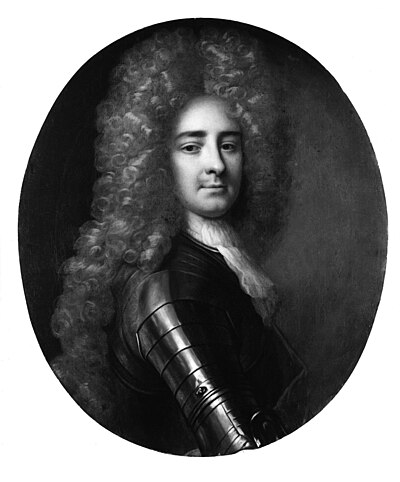
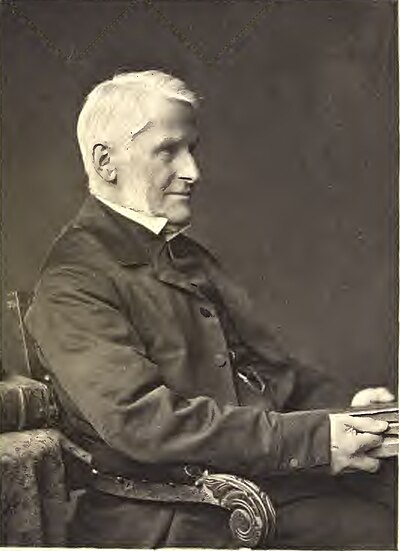
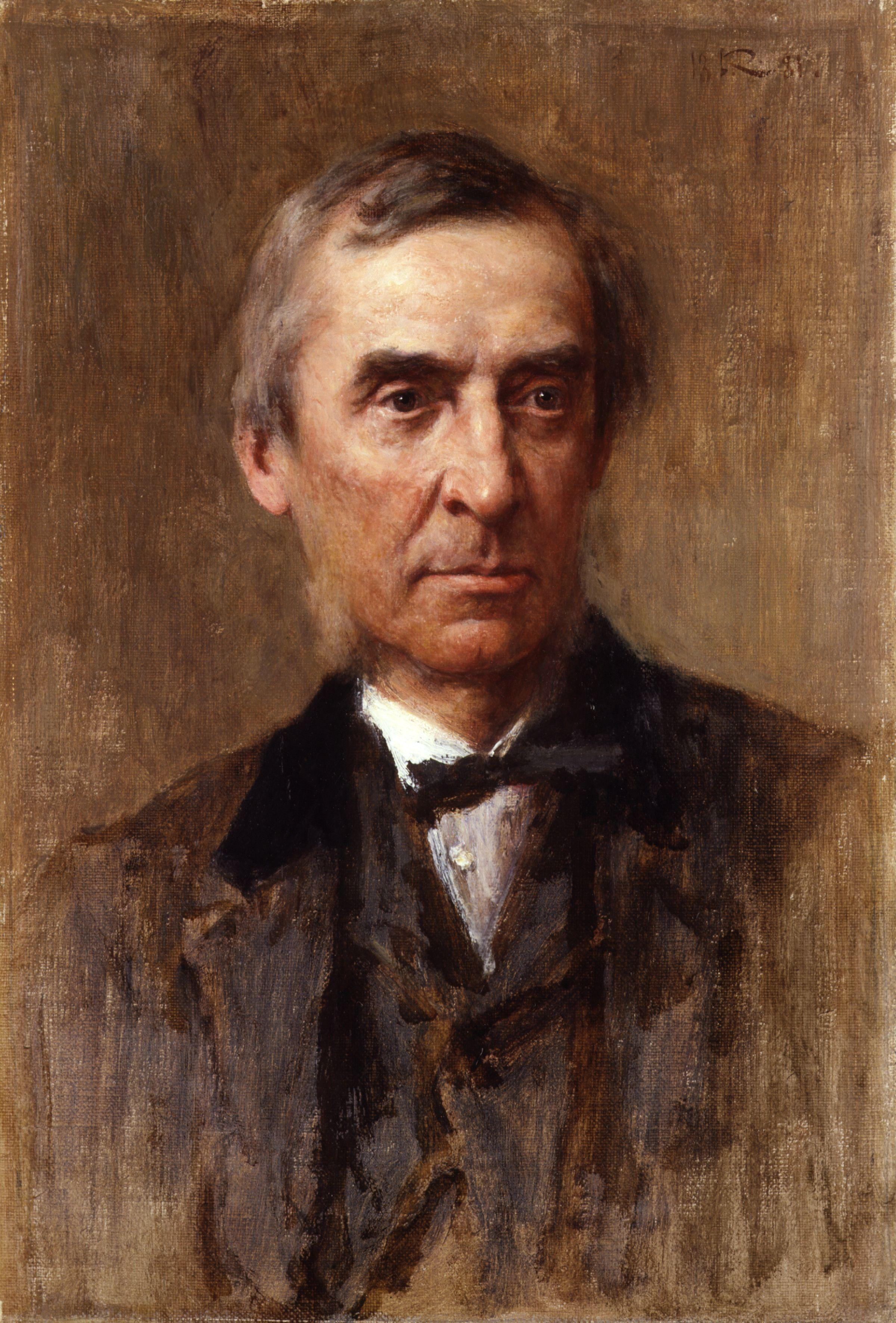
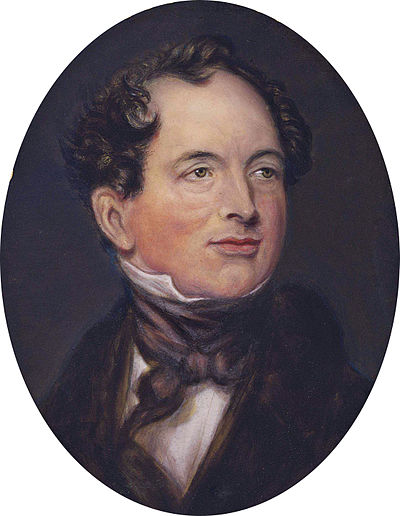
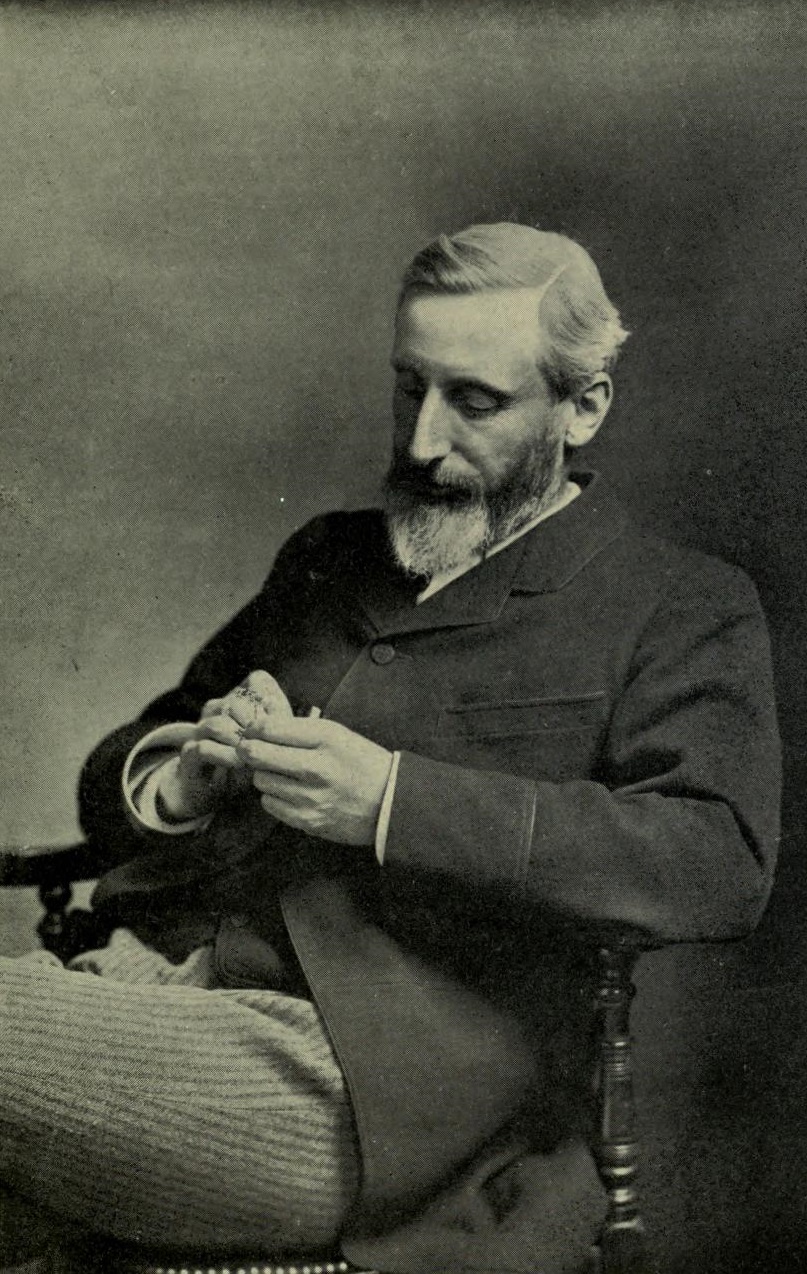
Thomas Coleman was an influential English clergyman and scholar in the early 17th century, renowned for his expertise in the Hebrew language, which earned him the affectionate nickname 'Rabbi Coleman.' His scholarly pursuits were complemented by his significant role in the Westminster Assembly, where he emerged as the clerical leader of the Erastian party. This faction advocated for a church polity that emphasized the authority of the state over the church, a stance that was both controversial and pivotal during a time of intense religious and political upheaval in England. Coleman’s views were notably supported by the prominent lawyer John Selden, who recognized his contributions in works such as 'De Synedriis.' Coleman's legacy lies in his scholarly contributions and his advocacy for Erastianism, which sought to balance the relationship between church and state. His work not only influenced contemporaries but also laid groundwork for future debates on church governance. As a figure who navigated the complexities of religious authority and state power, Coleman remains a notable figure in the history of English religious thought, reflecting the tensions of his era and the evolving landscape of church polity.
Famous Quotes
View all 5 quotes“But that is just half the story.The Gospel of Thomas has what I take to be the full text.The Kingdom of God is within youand all around you.Split a piece of wood. I am there.Lift up a stone, and you will find me there.The holiest thing then, the Kingdom, is inside,the observing consciousness, the deep core of being,and outside, the Brown Thrasher, the little girl skippingover the squares of the sidewalk, the universe itselfthat, so far as we know is unlimited.It would be best here to start singing and dancingfor the spacious joy of inside and outside.””
“Although a single source of risk may create large losses, it is not generally enough to result in an actual disaster. For such an event to occur, several types of risks usually need to interact. Most importantly, the lack of appropriate controls appears to be a determining contributor. Although inadequate controls do not trigger the actual financial loss, they allow the organization to take more risk than necessary and also provide enough time for extreme losses to accumulate.””
“The real risk to an organization is in the unanticipated or unexpected”
Books from the author






Link to this page
Add a free, dofollow link to Lex on your blog, forum, syllabus, or reading list.

<a href="https://lex-books.com/author/thomas-coleman"><img src="https://lex-books.com/badges/read-on-lex.svg" alt="Thomas Coleman on Lex" width="160" height="40"></a>[](https://lex-books.com/author/thomas-coleman)[url=https://lex-books.com/author/thomas-coleman][img]https://lex-books.com/badges/read-on-lex.svg[/img][/url]Thomas Coleman on Lex: https://lex-books.com/author/thomas-coleman