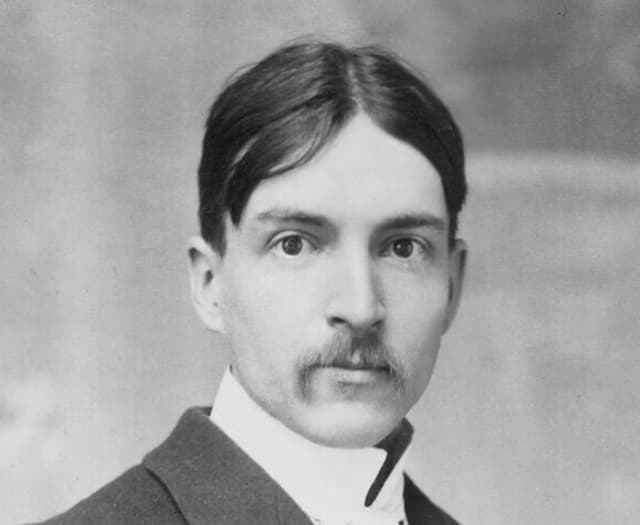
Tappan Adney
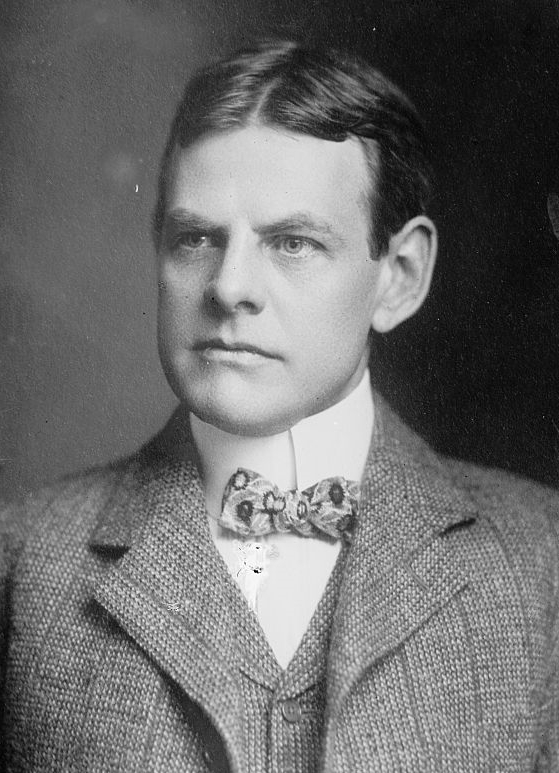
Tappan Adney was an influential American-Canadian artist, writer, and photographer, renowned for his deep engagement with the natural world and Indigenous cultures. Born in the United States, he moved to Canada, where he became a prominent figure in the early 20th century, particularly known for his work on canoe building and the art of the Indigenous peoples of North America. His most notable work, 'The Canoe: A History of the Craft from River Drifter to Modern Sport,' showcased his expertise and passion for canoeing, blending practical knowledge with historical insight. Adney's artistic endeavors included detailed illustrations and photographs that captured the beauty of the Canadian wilderness, as well as the lives and traditions of Indigenous communities. Adney's contributions extended beyond his artistic output; he played a significant role in documenting and preserving the cultural heritage of Indigenous peoples through his writings and visual art. His work not only celebrated the craftsmanship of canoe making but also served as a critical commentary on the relationship between nature and humanity. As a pioneer in the field of outdoor literature and ethnography, Tappan Adney's legacy continues to influence artists and writers who seek to explore the intersection of culture, nature, and craftsmanship.
Famous Quotes
View all 1 quotes“In the evening, after work is done, they visit around or remain indoors reading papers and books. One finds all sorts of books, from a cheap novel to Gibbon’s Roman Empire and Shakespeare, in the cabins of Bonanza and Eldorado.”
Books from the author




Link to this page
Add a free, dofollow link to Lex on your blog, forum, syllabus, or reading list.

<a href="https://lex-books.com/author/tappan-adney"><img src="https://lex-books.com/badges/read-on-lex.svg" alt="Tappan Adney on Lex" width="160" height="40"></a>[](https://lex-books.com/author/tappan-adney)[url=https://lex-books.com/author/tappan-adney][img]https://lex-books.com/badges/read-on-lex.svg[/img][/url]Tappan Adney on Lex: https://lex-books.com/author/tappan-adney