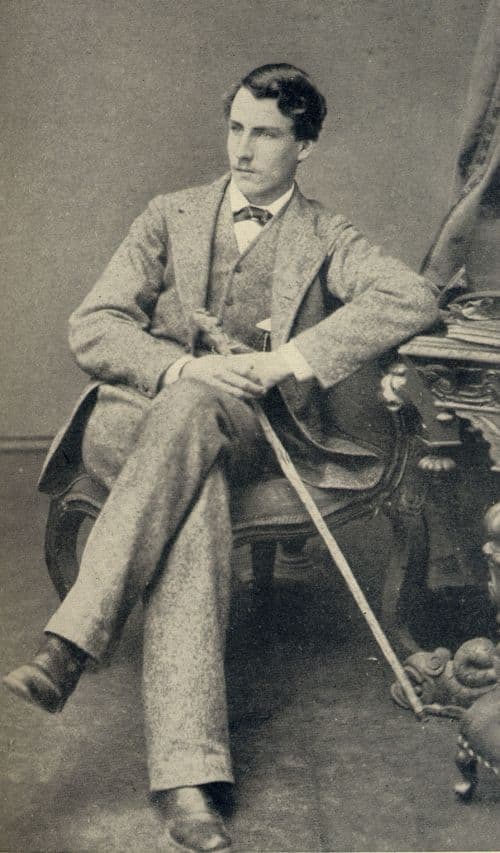
T. W. Rolleston
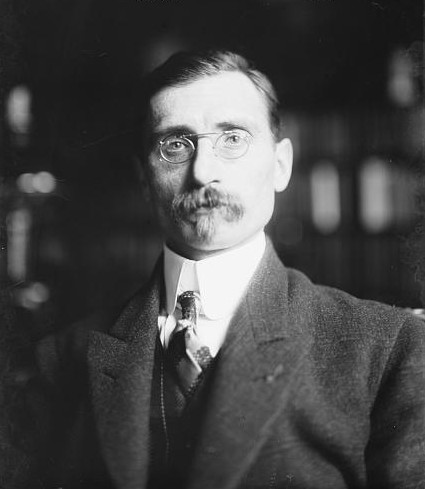
T. W. Rolleston was an influential Irish writer and translator, recognized for his contributions across poetry, literature, and political discourse. Born in 1857, he spent his early life in various locations, including Killiney in County Dublin, the German Empire, and London, before ultimately settling in Hampstead, London, in 1908. His diverse body of work reflects a deep engagement with both Irish culture and broader literary themes, showcasing his versatility as a writer. Rolleston's literary significance is underscored by his role in the revival of interest in Irish mythology and folklore, particularly through his translations and adaptations of ancient texts. His notable works include 'The High Deeds of Finn' and 'The Cattle Raid of Cooley,' which helped to popularize these stories among contemporary audiences. His writings not only contributed to the preservation of Irish heritage but also influenced the cultural landscape of his time, making him a key figure in the literary movement that sought to redefine Irish identity in the early 20th century. Rolleston's legacy endures as a testament to the power of literature in shaping national consciousness and cultural pride.
Famous Quotes
View all 4 quotes“There is perhaps no law written more conspicuously in the teachings of history than that nations who are ruled by priests drawing their authority from supernatural sanctions are, just in the measure that they are so ruled, incapable of true national progress. The free, healthy current of secular life and thought is, in the very nature of things, incompatible with priestly rule. Be the creed what it may, Druidism, Islam, Judaism, Christianity, or fetichism, a priestly caste claiming authority in temporal affairs by virtue of extra-temporal sanctions is inevitably the enemy of that spirit of criticism, of that influx of new ideas, of that growth of secular thought, of human and rational authority, which are the elementary conditions of national development.””
“while at the same time it gives the deliberateness and depth, the reverence for ancient law and custom, and the passion for personal freedom, which are more or less strange to the Romance nations of the South of Europe.””
“Plato, however, in the “Laws,” classes the Celts among the races who are drunken and combative, and much barbarity is attributed to them on the occasion of their irruption into Greece and the [pg 18] sacking of Delphi in the year 273 B.C. Their attack on Rome and the sacking of that city by them about a century earlier is one of the landmarks of ancient history. The history of””
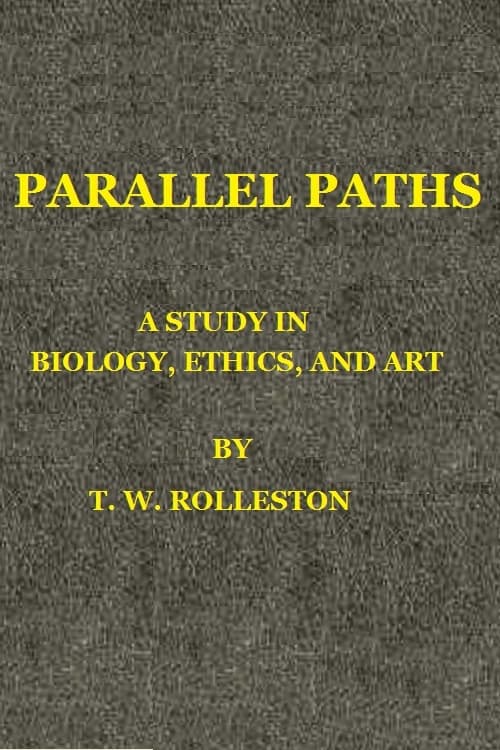
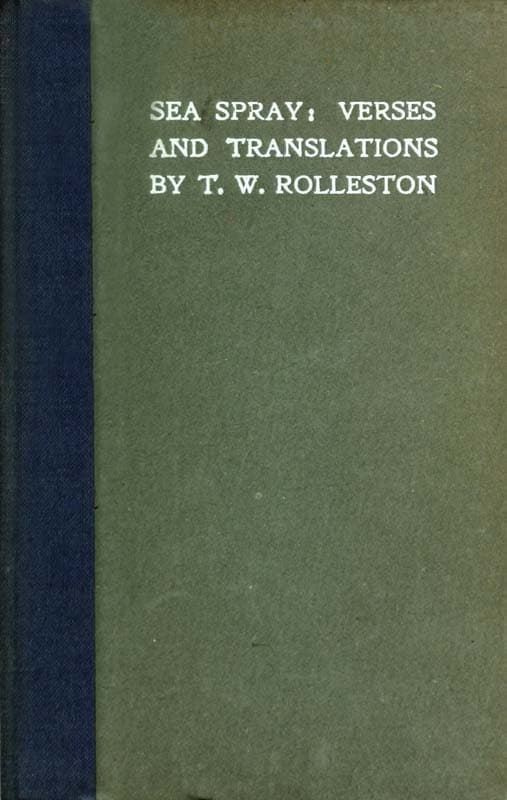
Books from the author





Link to this page
Add a free, dofollow link to Lex on your blog, forum, syllabus, or reading list.

<a href="https://lex-books.com/author/t-w-rolleston"><img src="https://lex-books.com/badges/read-on-lex.svg" alt="T. W. Rolleston on Lex" width="160" height="40"></a>[](https://lex-books.com/author/t-w-rolleston)[url=https://lex-books.com/author/t-w-rolleston][img]https://lex-books.com/badges/read-on-lex.svg[/img][/url]T. W. Rolleston on Lex: https://lex-books.com/author/t-w-rolleston