Lex

Browse

GenresShelvesPremiumBlog

Company

AboutJobsPartnersSell on LexAffiliates

Audio

Lex StudioVoicesFirst chapter freeAudiobook pricingAudiobook samplesAudiobook guidesAudio blog

Resources

DocsInvite FriendsFAQ

Legal

Terms of ServicePrivacy Policygeneral@lex-books.com+1 951-551-2243WhatsApp (international)

© 2026 LexBooks, Inc. All rights reserved.

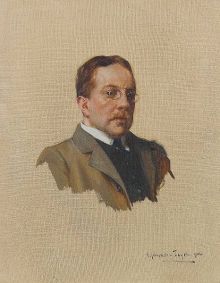
Stephen Hudson

Stephen Hudson was the pen name of British novelist and translator Sydney Schiff, who made significant contributions to literature in the early 20th century. He emerged as a notable figure in the literary scene during the 1910s to the 1930s, leveraging his substantial family wealth to support the arts and cultivate friendships with prominent figures in music, art, and literature across England and France. Hudson's works often explored themes of identity, society, and the human experience, reflecting the complexities of his time. His novels, characterized by their psychological depth and social commentary, include titles such as 'The New World' and 'The Last of Mr. T.' Hudson's writing is distinguished by its innovative narrative techniques and a keen understanding of character development, which set him apart from his contemporaries. Though not as widely recognized today, his contributions to the literary landscape of his era and his role as a patron of the arts underscore his significance in the cultural milieu of the early 20th century.

Wikipedia

Stephen Hudson (1868 – 29 October 1944) is a pseudonym of the British novelist and translator Sydney Schiff, whose work...

Written by Lex AI

Famous Quotes

View all 7 quotes

“We always speak of Canada as a new country. In one sense, of course, this is true. The settlement of Europeans on Canadian soil dates back only three hundred years. Civilization in Canada is but a thing of yesterday, and its written history, when placed beside the long millenniums of the recorded annals of European and Eastern peoples, seems but a little span. But there is another sense in which the Dominion of Canada, or at least part of it, is perhaps the oldest country in the world. According to the Nebular Theory the whole of our planet was once a fiery molten mass gradually cooling and hardening itself into the globe we know. On its surface moved and swayed a liquid sea glowing with such a terrific heat that we can form no real idea of its intensity. As the mass cooled, vast layers of vapour, great beds of cloud, miles and miles in thickness, were formed and hung over the face of the globe, obscuring from its darkened surface the piercing beams of the sun. Slowly the earth cooled, until great masses of solid matter, rock as we call it, still penetrated with intense heat, rose to the surface of the boiling sea. Forces of inconceivable magnitude moved through the mass. The outer surface of the globe as it cooled ripped and shrivelled like a withering orange. Great ridges, the mountain chains of to-day, were furrowed on its skin. Here in the darkness of the prehistoric night there arose as the oldest part of the surface of the earth the great rock bed that lies in a huge crescent round the shores of Hudson Bay, from Labrador to the unknown wilderness of the barren lands of the Coppermine””

The Dawn of Canadian History : A Chronicle of Aboriginal Canada

“Herman Melville, by then well into his seventies, often walked with his little granddaughter in Central Park. He had been living quietly in New York for years, convinced that his literary career was over, working as a customs inspector on the Hudson River piers. The Schirmers “discovered” the almost-forgotten author of Moby Dick, and gave a dinner for Melville and his wife. The Schirmers apparently found Melville charming but a little sad. He was working again on a final novel, to be called Billy Budd. But, he said, he was sure his book would never be published unless he had it privately printed, because his popularity of more than thirty years earlier had all but vanished.””

Life at the Dakota: New York's Most Unusual Address

“This quickly led to a fatalistic attitude. Company trader William Walker wrote in 1781 that “they are frightened of going nigh one to another as soon as they take bad, so the one half for want of indulgencies is starved before they can gather Strength to help themselves. They think when they are once taken bad they need not look for any recovery. So the person that’s bad turns feeble that he cannot walk, they leave them behind when they’re pitching away, and so the poor Soul perishes.” Many travellers, including such astute observers as David Thompson, wrote of how the men in particular, when under the influence of a raging fever, would throw themselves into the freezing water, and thereby perish from exposure.””

The Company: The Rise and Fall of the Hudson's Bay Empire

Books from the author

right arrow

War-TimeSilhouettes

Stephen Hudson

More authors like this

right arrow
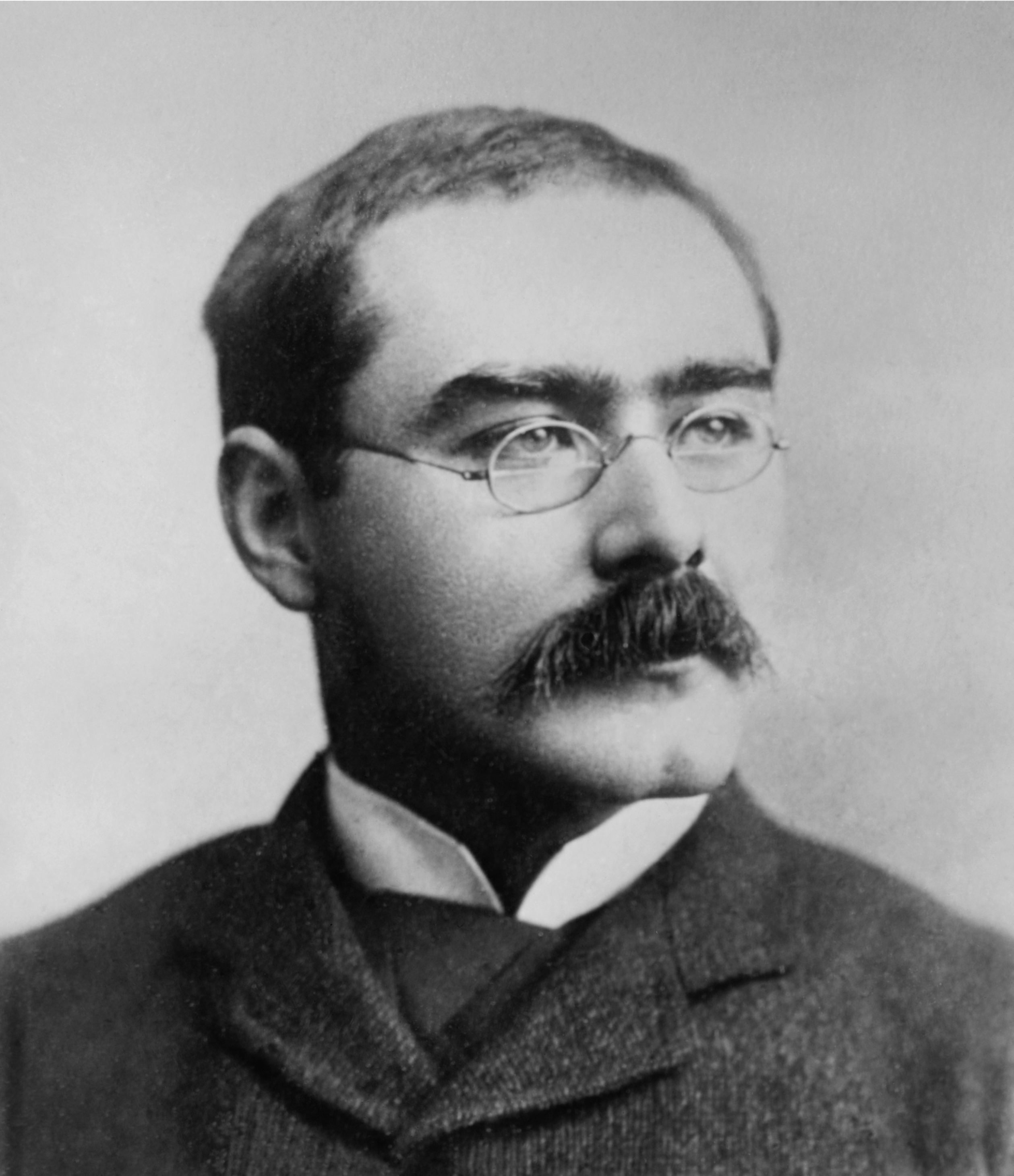
Rudyard Kipling
Rudyard Kipling
1865-1936
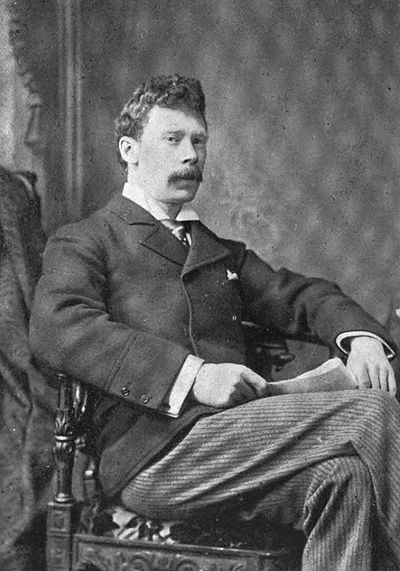
Arthur Quiller-Couch
1863-1944
W. W. Jacobs
W. W. Jacobs
1863-1943
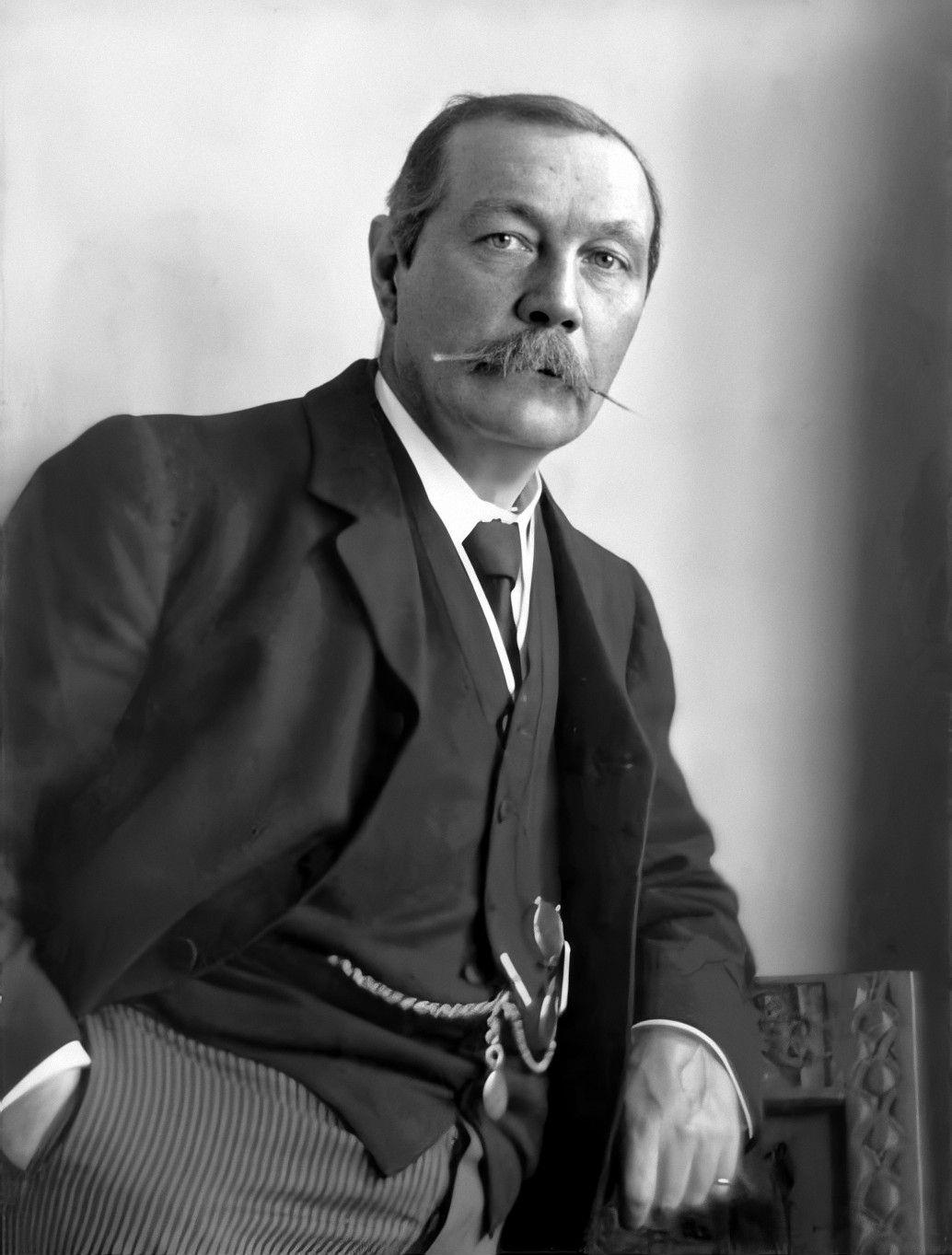
Arthur Conan Doyle
Arthur Conan Doyle
1859-1930
George Gissing
George Gissing
1857-1903
Maksim Gorky
Maksim Gorky
1868-1936
Algernon Blackwood
Algernon Blackwood
1869-1951
Angela Brazil
1869-1947
Arnold Bennett
Arnold Bennett
1867-1931
E. F. Benson
E. F. Benson
1867-1940
John Galsworthy
John Galsworthy
1867-1933
Väinö Kataja
1867-1914
Beatrix Potter
Beatrix Potter
1866-1943
E. Phillips Oppenheim
1866-1946
E. W. Hornung
E. W. Hornung
1866-1921
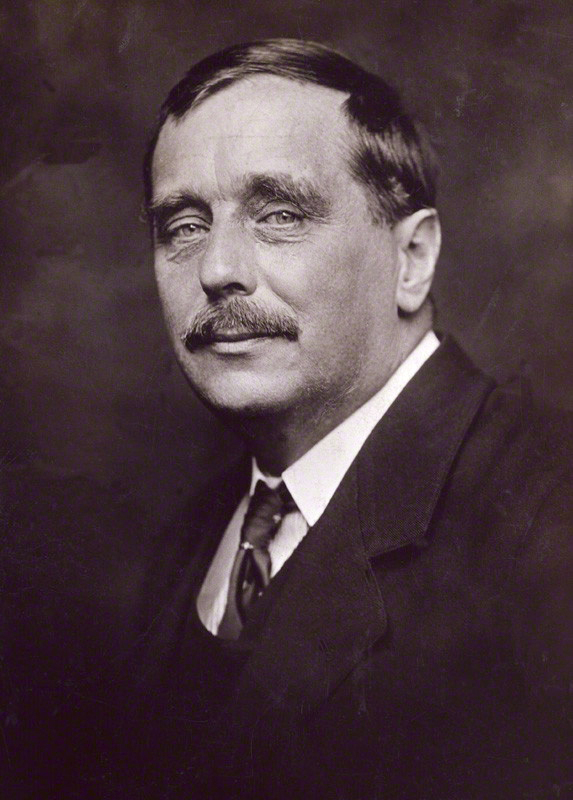
H. G. Wells
H. G. Wells
1866-1946

Link to this page

Add a free, dofollow link to Lex on your blog, forum, syllabus, or reading list.

Stephen Hudson on Lex
HTML
<a href="https://lex-books.com/author/stephen-hudson"><img src="https://lex-books.com/badges/read-on-lex.svg" alt="Stephen Hudson on Lex" width="160" height="40"></a>
Markdown
[![Stephen Hudson on Lex](https://lex-books.com/badges/read-on-lex.svg)](https://lex-books.com/author/stephen-hudson)
BBCode
[url=https://lex-books.com/author/stephen-hudson][img]https://lex-books.com/badges/read-on-lex.svg[/img][/url]
Plain link
Stephen Hudson on Lex: https://lex-books.com/author/stephen-hudson