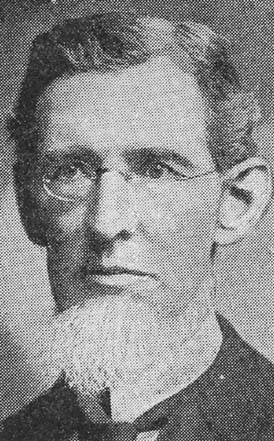
Stephen D. Peet
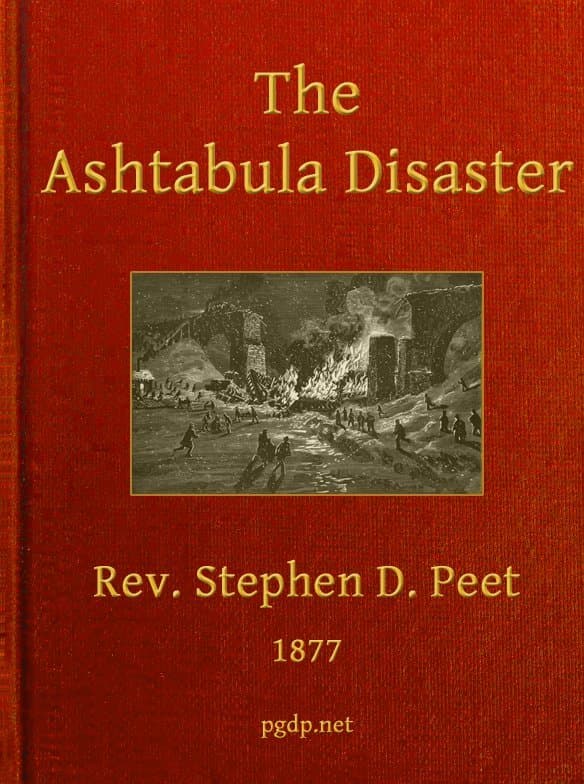
Stephen D. Peet was an American writer and journalist known for his detailed accounts of disasters and their impact on society. His most notable work, 'The Ashtabula Disaster,' chronicles the tragic train wreck that occurred in Ashtabula, Ohio, in 1876. This disaster, which resulted in significant loss of life, was a pivotal moment in American transportation history and highlighted the need for improved safety regulations. Peet's writing not only documented the event but also explored the broader implications of such tragedies on the community and the nation at large. Peet's works are significant for their blend of journalism and narrative storytelling, capturing the human experience in the face of calamity. Through his meticulous research and vivid descriptions, he brought attention to the societal consequences of industrial accidents, making him an important figure in the genre of disaster literature. His legacy lies in his ability to convey the emotional weight of these events, ensuring that the memories of those affected were not forgotten. Peet's contributions to literature and journalism continue to resonate, reflecting a time when the rapid advancement of technology was met with the sobering reality of its potential dangers.
Books from the author







Link to this page
Add a free, dofollow link to Lex on your blog, forum, syllabus, or reading list.

<a href="https://lex-books.com/author/stephen-d-peet"><img src="https://lex-books.com/badges/read-on-lex.svg" alt="Stephen D. Peet on Lex" width="160" height="40"></a>[](https://lex-books.com/author/stephen-d-peet)[url=https://lex-books.com/author/stephen-d-peet][img]https://lex-books.com/badges/read-on-lex.svg[/img][/url]Stephen D. Peet on Lex: https://lex-books.com/author/stephen-d-peet