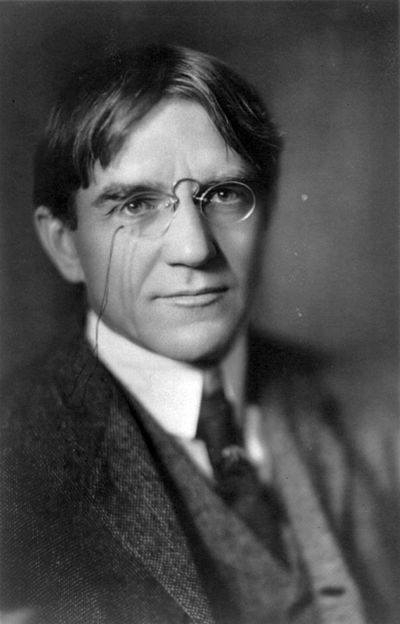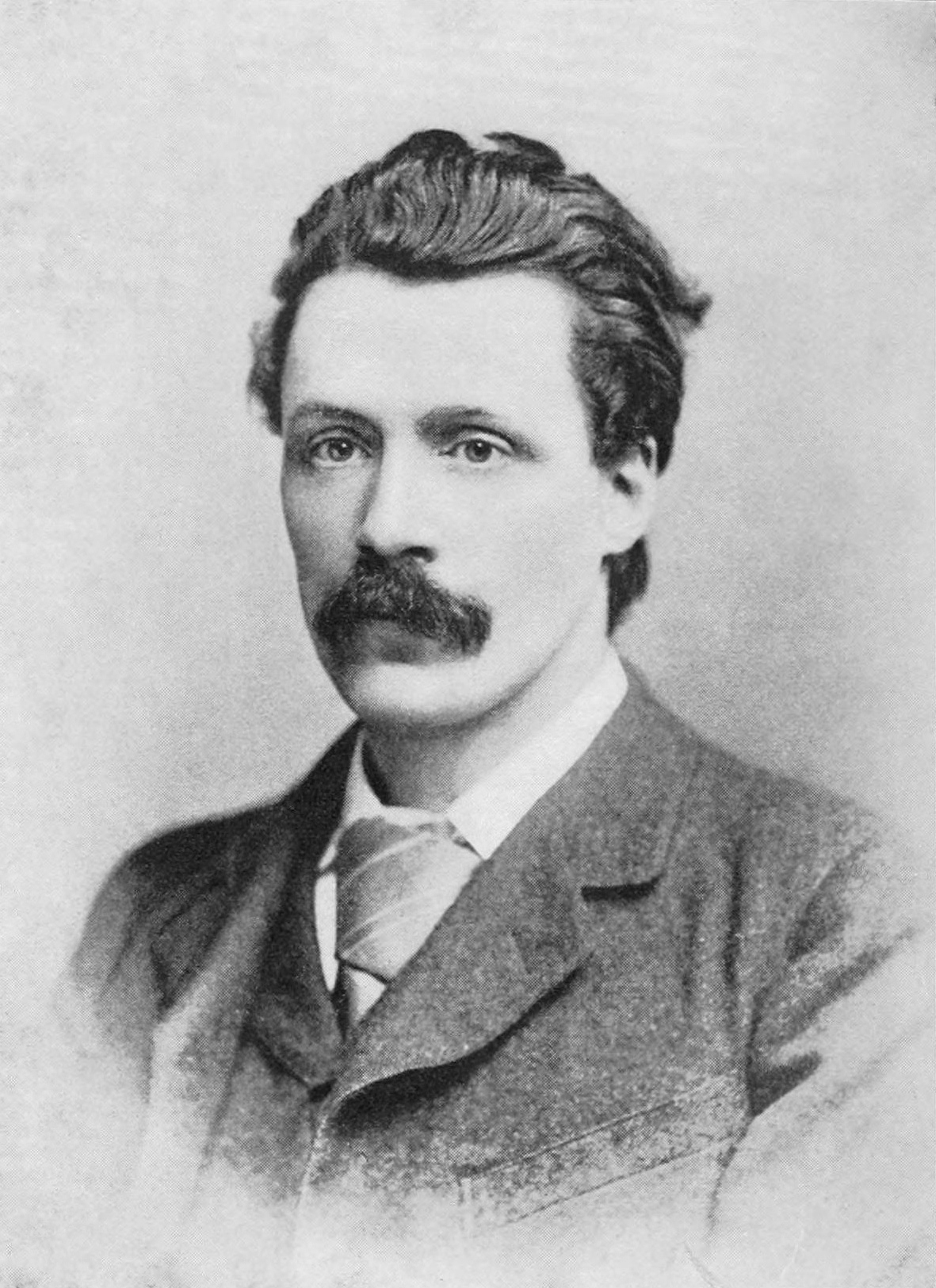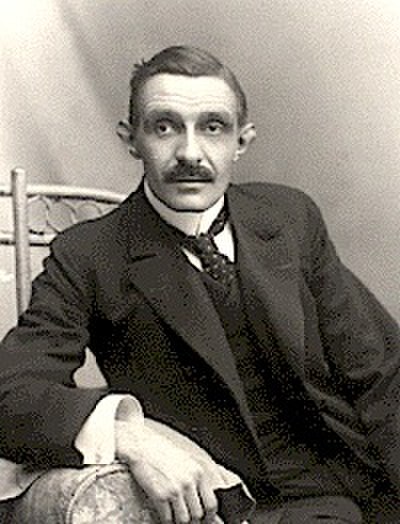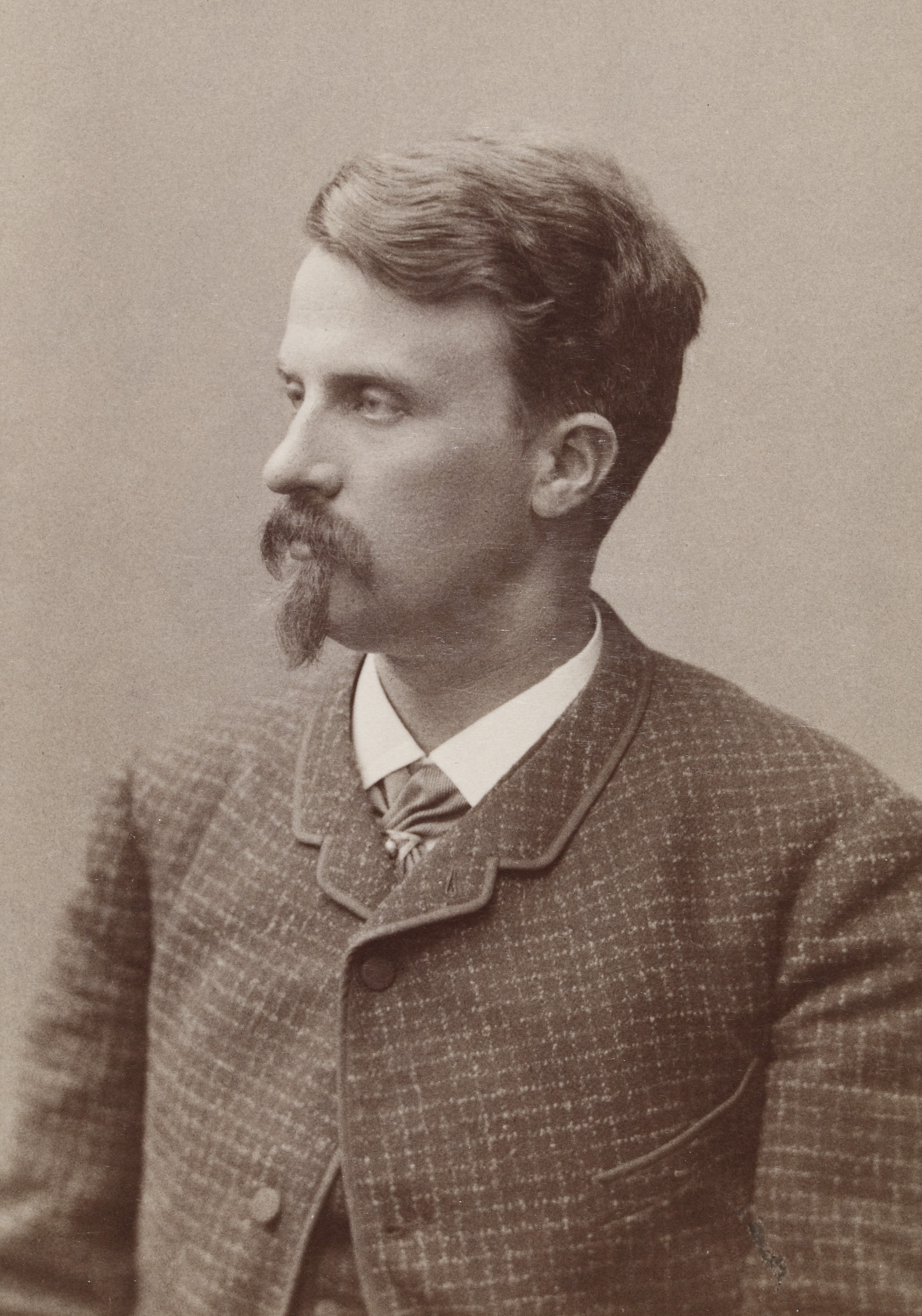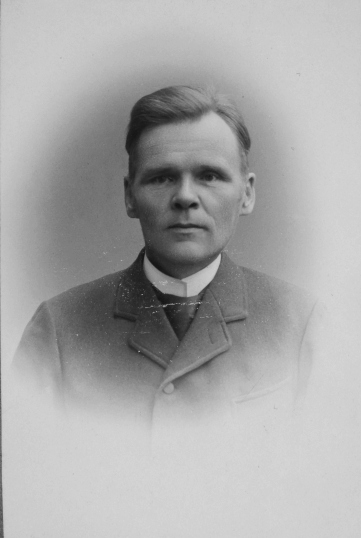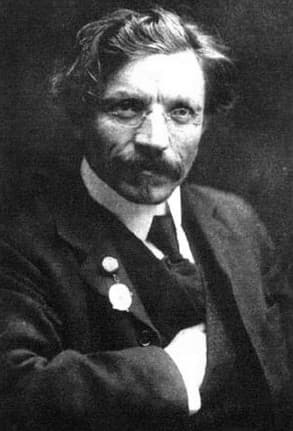
Sholem Aleichem
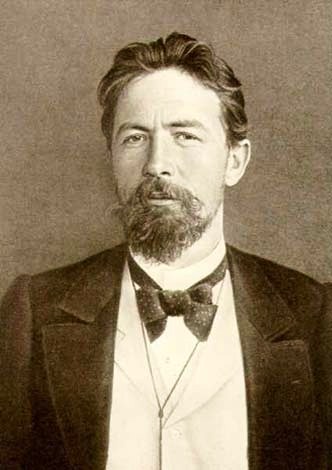
Sholem Aleichem was a prominent Yiddish author and playwright, best known for his humorous and poignant depictions of Jewish life in Eastern Europe. Born in what is now Ukraine, he grew up in a traditional Jewish household, where he was exposed to both the joys and struggles of his community. His early experiences informed much of his writing, which often reflected the challenges faced by Jewish immigrants and the complexities of their cultural identity. Aleichem's most famous character, Tevye the Dairyman, became an iconic figure in literature and was later immortalized in the musical 'Fiddler on the Roof'. His works, including 'Tevye the Dairyman' and 'The Adventures of Menahem-Mendl', showcased his ability to blend humor with serious social commentary, addressing themes such as poverty, tradition, and the clash between old and new worlds. Aleichem's writing not only entertained but also provided a voice for a marginalized community during a time of great upheaval. His legacy endures as a foundational figure in Yiddish literature, and his influence can be seen in the works of later Jewish writers and playwrights who sought to capture the essence of Jewish life and culture. Sholem Aleichem's stories continue to resonate, reminding readers of the resilience and humor inherent in the human experience.
Famous Quotes
View all 1 quotes“— Шолом алейхем, реб Тев’є! — чую, як хтось каже мені ззаду. — Як ваші справи? Я розвертаюся, дивлюся: знайомий, ладен заприсягнутися! — Алейхем шолом, — кажу, — звідки будете родом? — Звідки? З Мазепівки, — відповідає. — Я вам рідня, себто доводжуся вам, — каже, — троюрідним братом. Ваша жінка Ґолда, — каже, — доводиться мені кровною чотириюрідною сестрою. — Стривайте, — кажу, — чи не доводитеся ви зятем Борух-Гершу, чоловікові Леї-Двосі? Вражений, каже він мені: — Я зять Борух-Герша, чоловіка Леї-Двосі, а моя дружина — Шейна-Шейндл Леї-Двосиного Борух-Герша. Тепер упізнали? — Стривайте, — кажу, — бабця вашої тещі, Сара-Єнте, з тіткою моєї жінки Фрумою-Златою, здається, були чи не кровні кузини, і коли я не помиляюся, то ви середульший із зятів у Борух-Герша Леї-Двосі, от тільки я забув, як вас звати. Ваше ім’я, — кажу, — вилетіло мені з голови. Як же вас звуть? Яке ваше справжнє ім’я? — Я, — каже, — Менахем-Мендл Борух-Герша Леї-Двосі — так звуть мене вдома, у Касрилівці. — Коли так, мій любий Менахем-Мендле, — кажу я йому, — вітаю тебе на зовсім інший лад!”
Books from the author