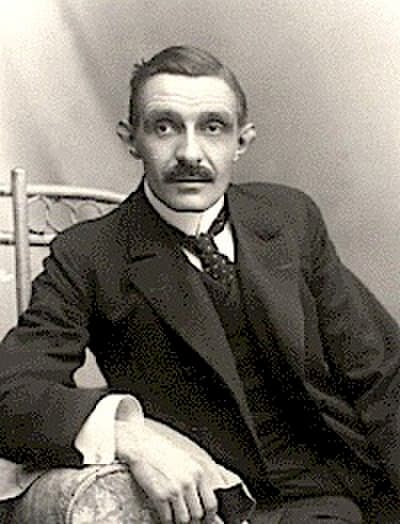
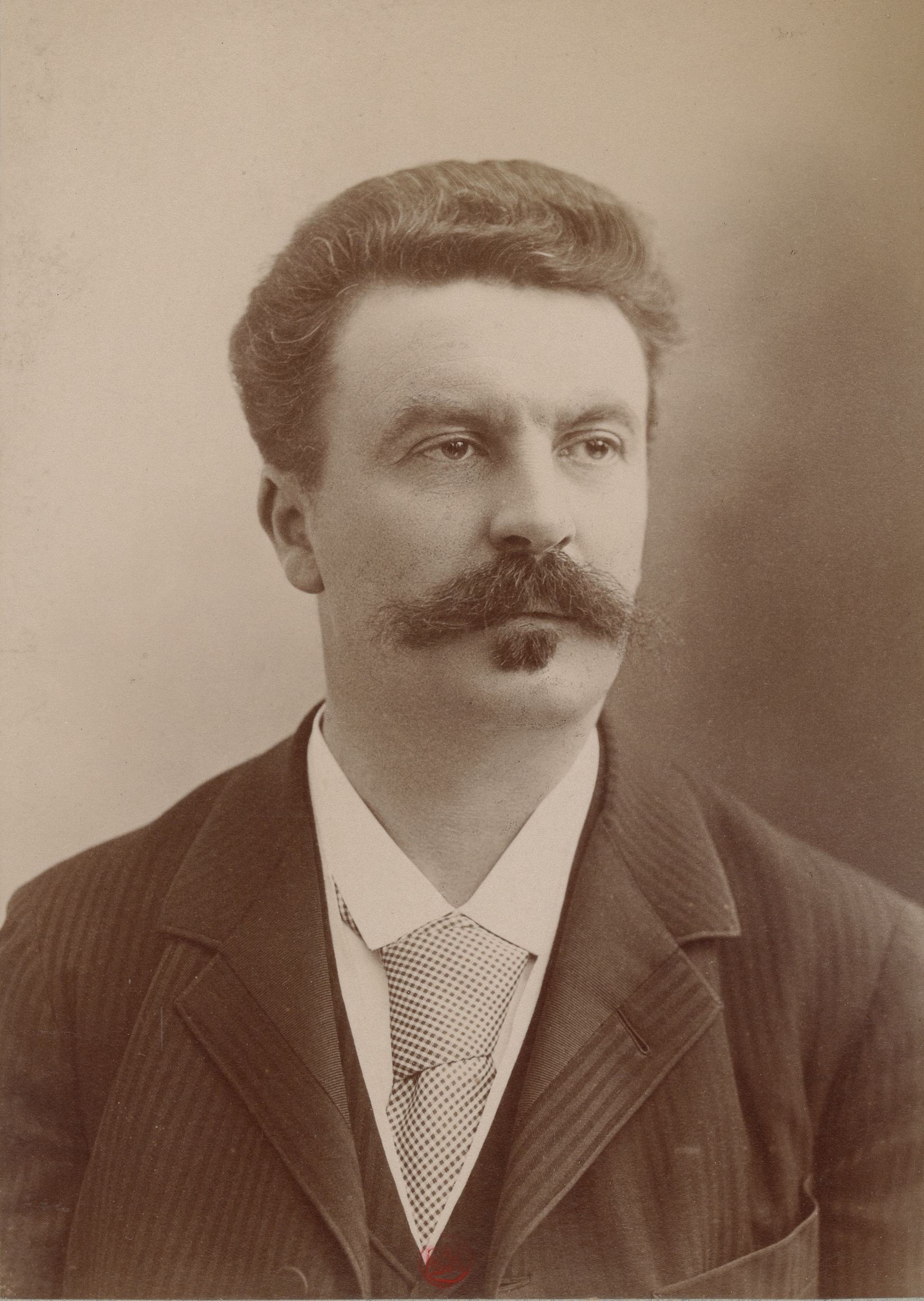
Herman Bang
Herman Bang was a prominent Danish journalist and author, recognized as a key figure in the Modern Breakthrough, a movement that sought to challenge traditional norms in literature and society. Born in 1857, Bang's literary career was marked by his keen observations of human behavior and his exploration of themes such as isolation, sexuality, and the complexities of modern life. His notable works include 'Ved Vejen' (On the Road), a collection of short stories that delves into the lives of marginalized individuals, and 'Stuk' (The Last of the Old), which reflects on the fading aristocracy and the impact of societal change. Bang's writing style, characterized by its lyrical prose and psychological depth, set him apart from his contemporaries and influenced later generations of writers. Bang's significance lies not only in his contributions to literature but also in his role as a social commentator. He was unafraid to address controversial subjects, including homosexuality and the struggles of the lower classes, which were often overlooked in the literature of his time. His works challenged societal conventions and paved the way for more progressive narratives in Danish literature. Bang's legacy endures through his innovative storytelling and his ability to capture the nuances of human experience, making him a crucial figure in the evolution of modern literature in Denmark and beyond.
Famous Quotes
View all 3 quotes“Anes Julie var en illegitim Frugt af Anes tredivte Aar, da en ung, skægløs Adonis af en Tjener havde drevet sit Spil i Etagerne.”
“Frøkenen har læst. Men saa er det blevet for mørkt, og hun har lagt Andagtsbogen ned i sit Skød og har lænet Hovedet tilbage. Nu er hun faldet i Blund og sover med foldede Hænder. Og henne i Sofaen spinder Kattene sagte, i Kakkelovnen snurrer Vandet til Te ... Der er Mørkning i Huset.”
“Solen var sin Nedgang naer. Den sank i et luende Rodt, som havde den kolde Himmel opsuget alt Jordens Blod.”
Books from the author


Link to this page
Add a free, dofollow link to Lex on your blog, forum, syllabus, or reading list.

<a href="https://lex-books.com/author/herman-bang"><img src="https://lex-books.com/badges/read-on-lex.svg" alt="Herman Bang on Lex" width="160" height="40"></a>[](https://lex-books.com/author/herman-bang)[url=https://lex-books.com/author/herman-bang][img]https://lex-books.com/badges/read-on-lex.svg[/img][/url]Herman Bang on Lex: https://lex-books.com/author/herman-bang