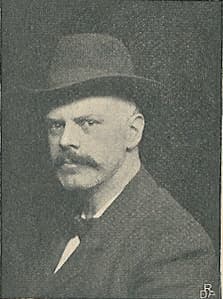
Carl Ewald
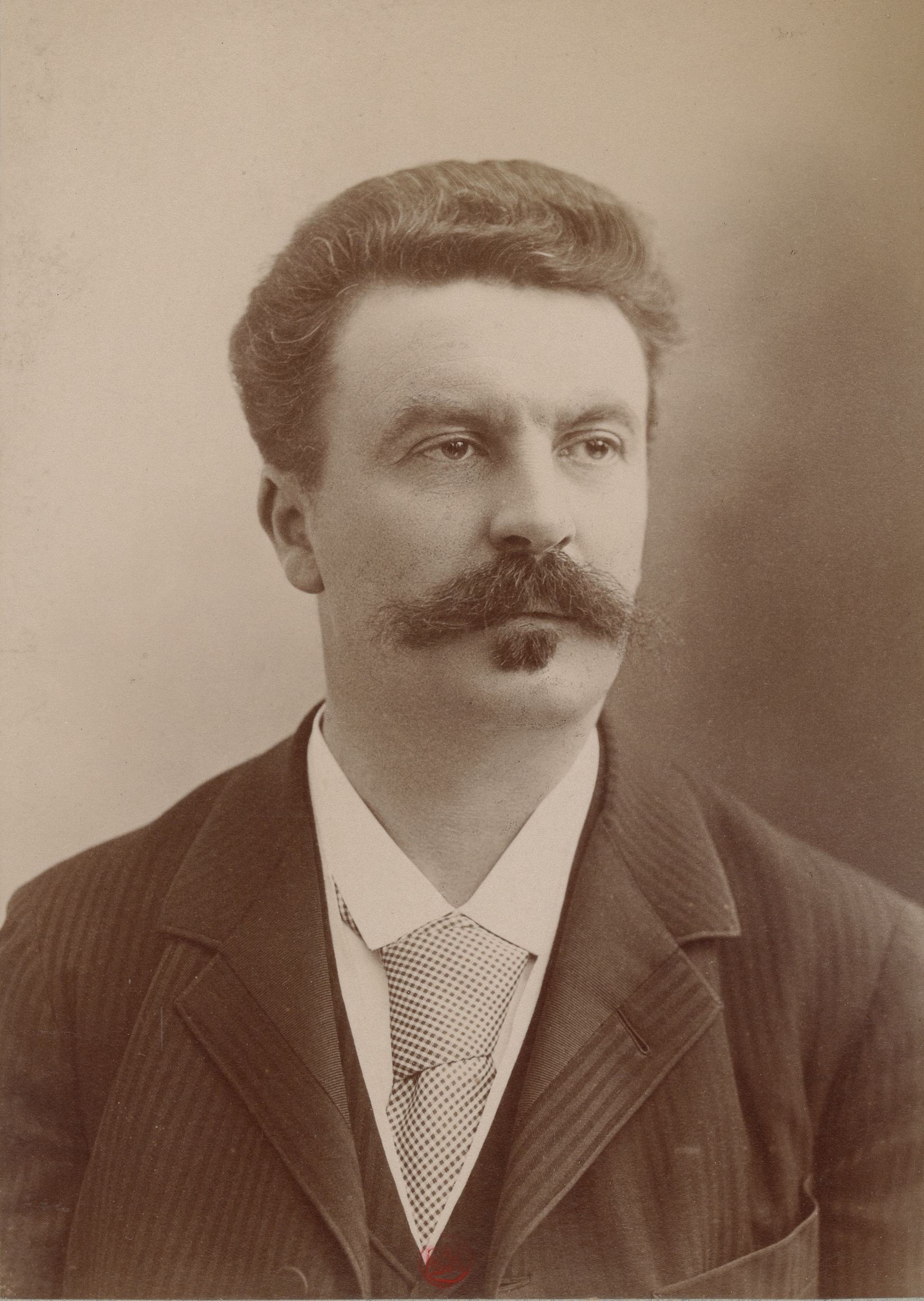
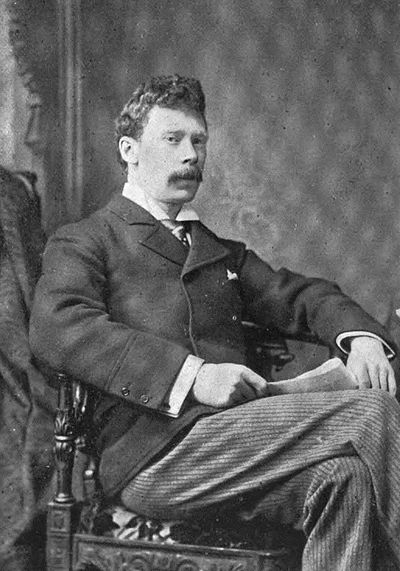
Carl Ewald was a Danish novelist and satirist celebrated for his enchanting fairy tales that often blended elements of humor and social commentary. Born in 1856, Ewald's literary career flourished in the late 19th century, during a time when the genre of fairy tales was experiencing a revival. His works, such as 'The Fairy Tales of Carl Ewald' and 'The Golden Goose,' showcased his ability to weave moral lessons into fantastical narratives, making them accessible and appealing to both children and adults alike. Ewald's storytelling was characterized by a unique blend of whimsy and wit, often reflecting the complexities of human nature and societal norms of his time. Ewald's significance in the literary world lies not only in his contributions to fairy tales but also in his role as a satirist who critiqued contemporary society through his writing. His sharp observations and playful narratives earned him a place among the notable figures of Danish literature. Although his life was cut short in 1908, Ewald's legacy endures through his imaginative tales that continue to inspire and entertain readers, solidifying his status as a key figure in the evolution of modern fairy tales.
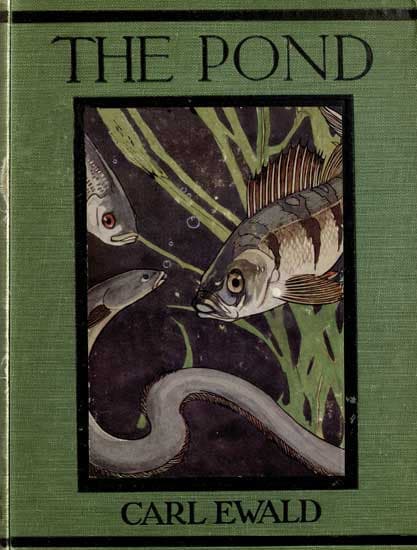
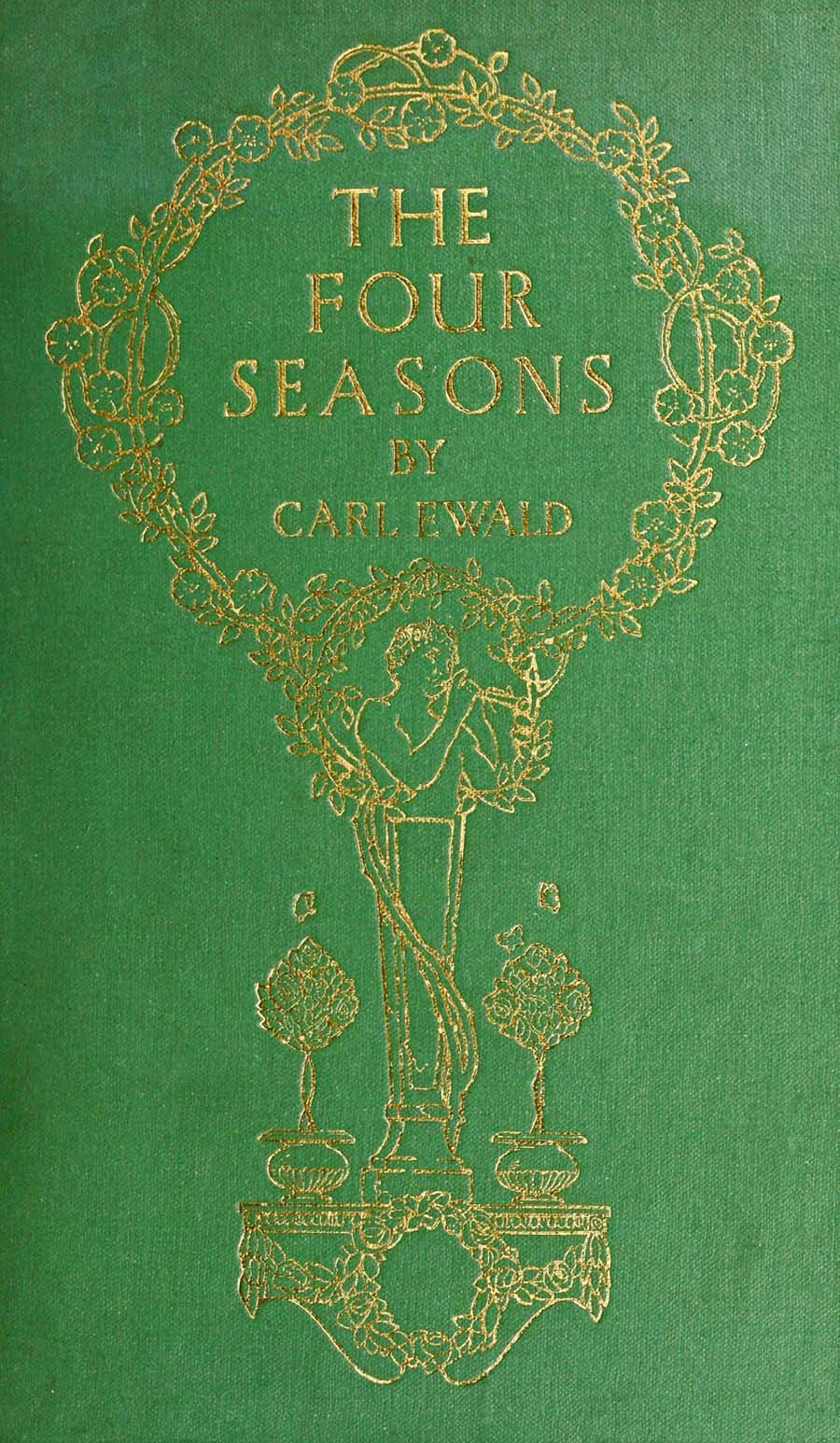
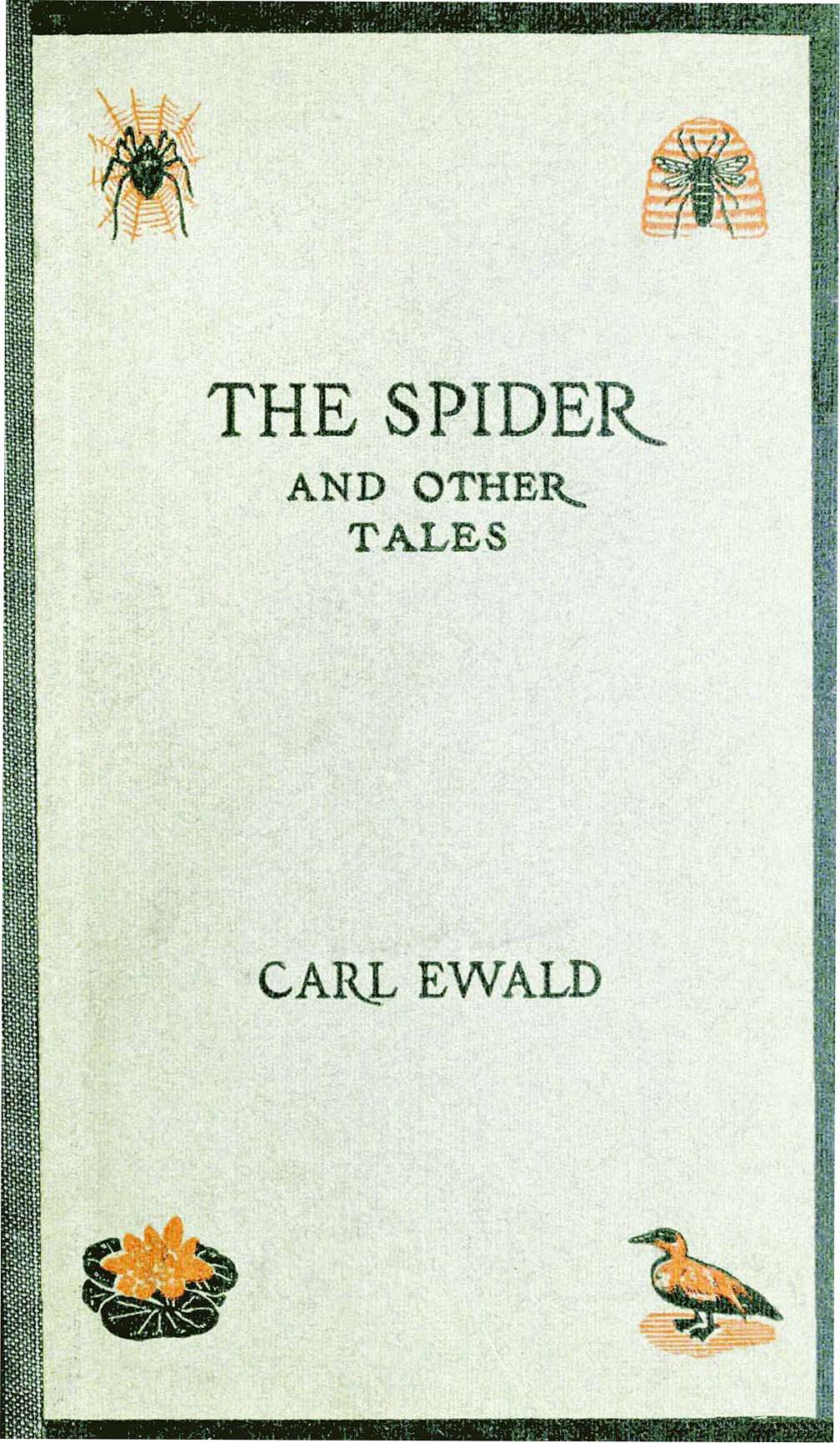
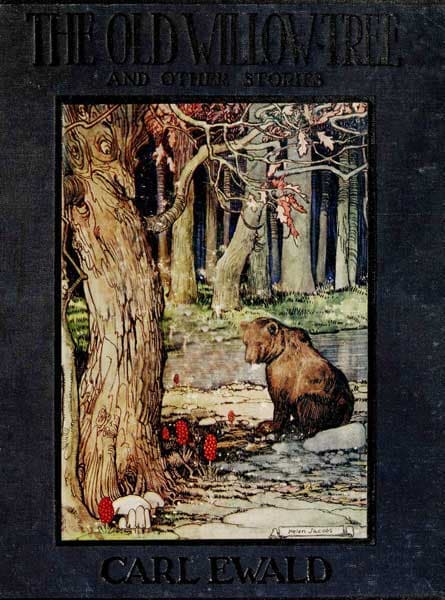
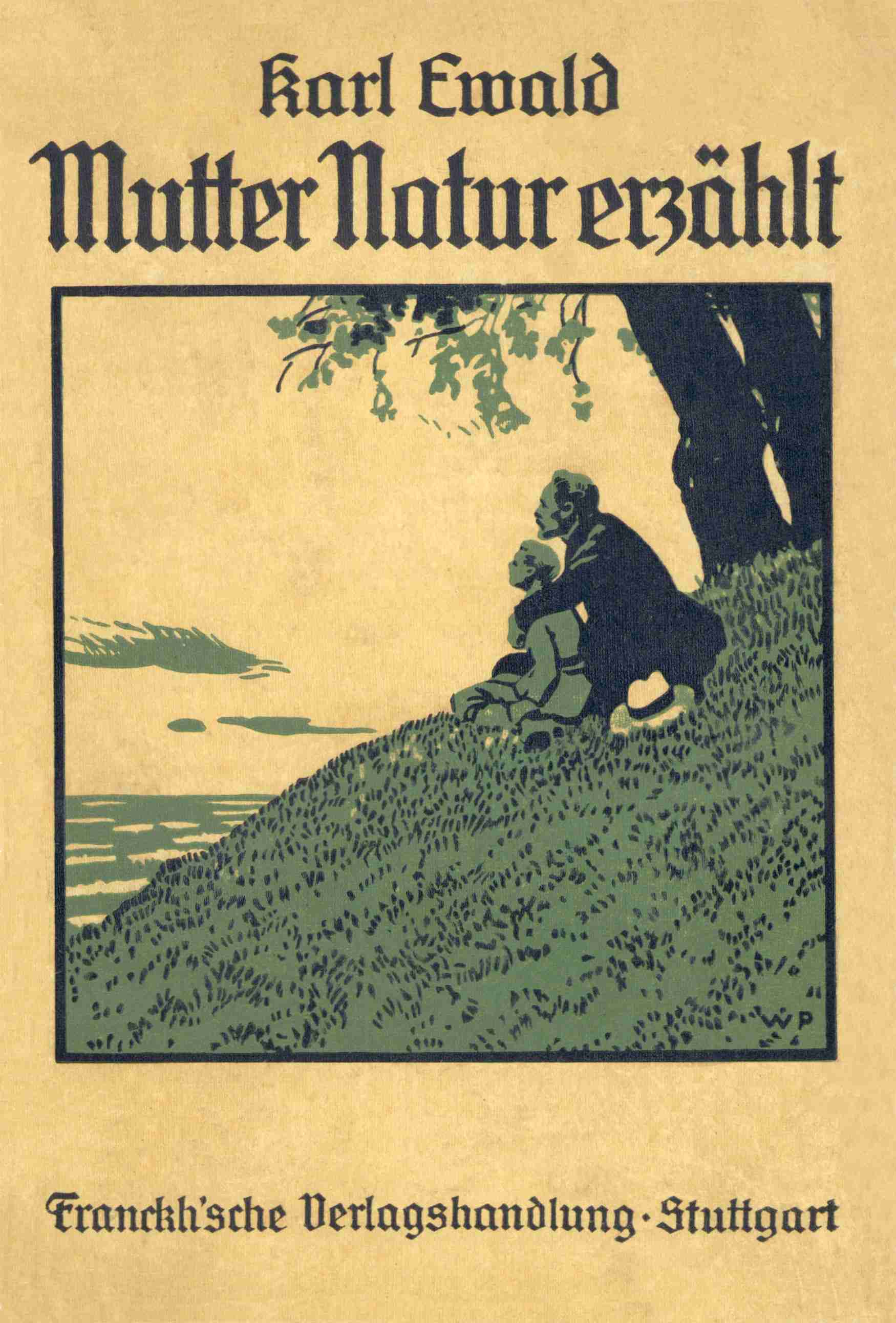
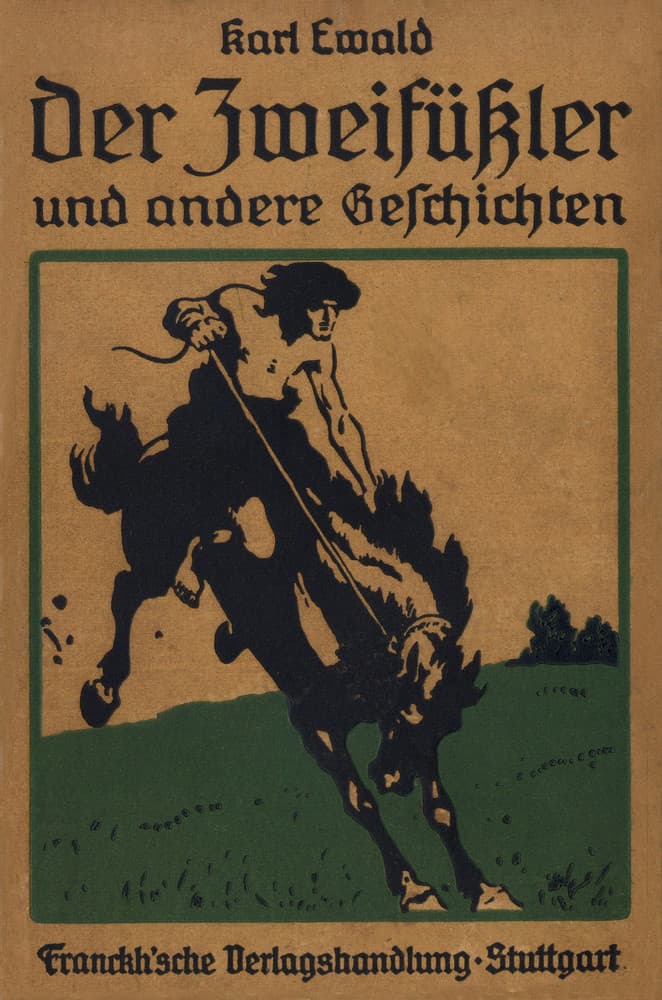
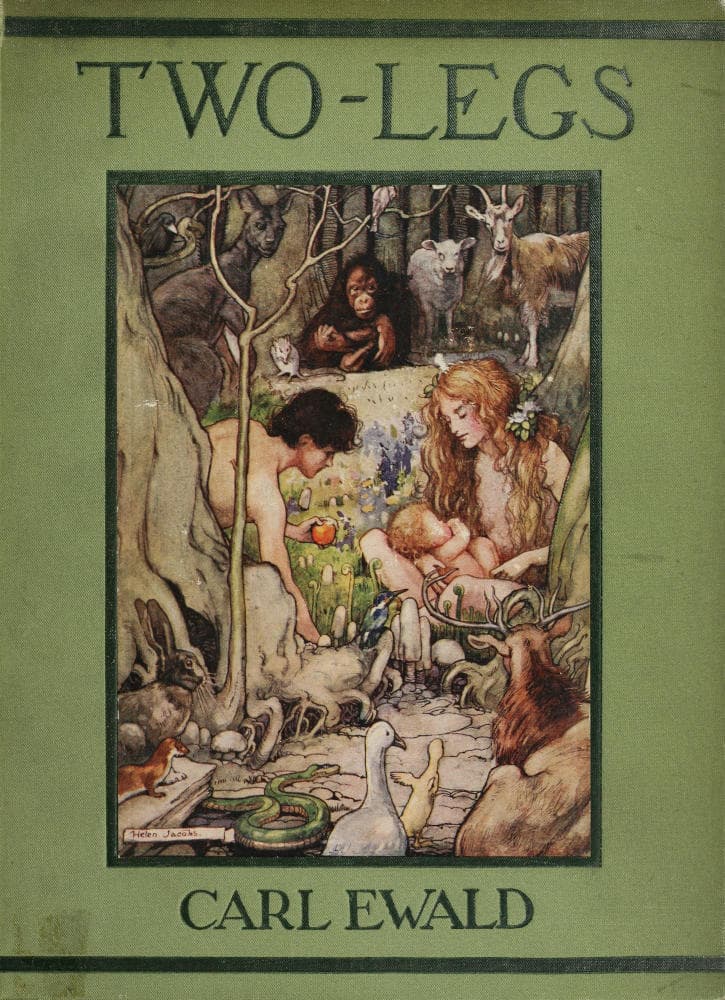
Books from the author


Link to this page
Add a free, dofollow link to Lex on your blog, forum, syllabus, or reading list.

<a href="https://lex-books.com/author/carl-ewald"><img src="https://lex-books.com/badges/read-on-lex.svg" alt="Carl Ewald on Lex" width="160" height="40"></a>[](https://lex-books.com/author/carl-ewald)[url=https://lex-books.com/author/carl-ewald][img]https://lex-books.com/badges/read-on-lex.svg[/img][/url]Carl Ewald on Lex: https://lex-books.com/author/carl-ewald