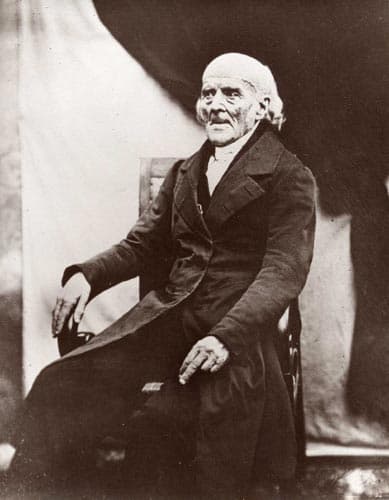
Samuel Hahnemann
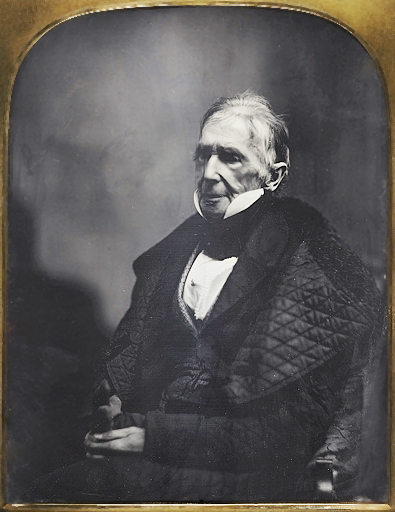
Samuel Hahnemann was a German physician who revolutionized the field of medicine with his development of homeopathy, a controversial system of alternative medicine. Disillusioned with the medical practices of his time, which often included harsh treatments and bloodletting, Hahnemann sought a more humane approach to healing. His pivotal work, 'Organon of the Healing Art,' published in 1810, outlined the principles of homeopathy, emphasizing the idea that 'like cures like'—the notion that substances causing symptoms in healthy individuals could be used to treat similar symptoms in the sick. This radical departure from conventional medicine garnered both fervent support and significant criticism, establishing Hahnemann as a polarizing figure in the medical community. Hahnemann's influence extended beyond his lifetime, as homeopathy gained popularity in the 19th century and inspired a movement toward more holistic and individualized approaches to health care. Despite ongoing debates about its efficacy and scientific validity, homeopathy remains practiced today, with millions of adherents worldwide. Hahnemann's legacy is marked by his challenge to the medical norms of his era and his enduring impact on alternative medicine, positioning him as a key figure in the history of medical thought.
Books from the author





Link to this page
Add a free, dofollow link to Lex on your blog, forum, syllabus, or reading list.

<a href="https://lex-books.com/author/samuel-hahnemann"><img src="https://lex-books.com/badges/read-on-lex.svg" alt="Samuel Hahnemann on Lex" width="160" height="40"></a>[](https://lex-books.com/author/samuel-hahnemann)[url=https://lex-books.com/author/samuel-hahnemann][img]https://lex-books.com/badges/read-on-lex.svg[/img][/url]Samuel Hahnemann on Lex: https://lex-books.com/author/samuel-hahnemann