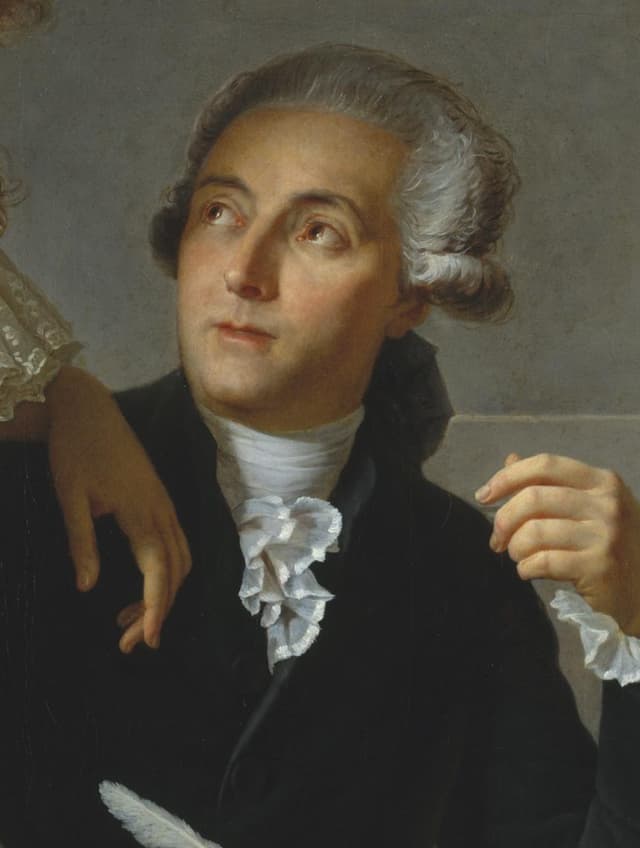
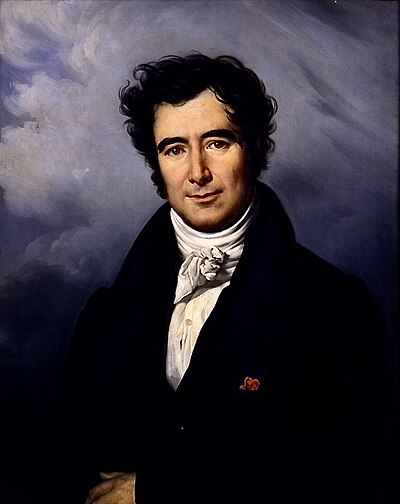
Antoine Laurent Lavoisier
Antoine Laurent Lavoisier was a pivotal figure in the history of chemistry, often referred to as the 'father of modern chemistry.' Born into a noble family in France, he played a crucial role in transforming chemistry from a qualitative to a quantitative science during the 18th century. Lavoisier's groundbreaking work included the identification and naming of oxygen in 1778, which he recognized as an essential element in combustion, challenging the prevailing phlogiston theory. His meticulous approach to experimentation and measurement laid the groundwork for the law of conservation of mass, establishing that matter is neither created nor destroyed in chemical reactions. This principle remains fundamental to modern science and is reflected in the balanced chemical equations used today. In addition to his scientific contributions, Lavoisier was also involved in public life, serving as a tax collector in France. His prominence and noble status ultimately led to his downfall during the French Revolution, where he was executed in 1794. Despite his tragic end, Lavoisier's legacy endures; his methods and discoveries not only advanced chemistry but also influenced biology, earning him a lasting place in the annals of science. His work paved the way for future chemists and helped establish the rigorous standards of experimentation that define the discipline today.
Famous Quotes
View all 1 quotesBooks from the author






Link to this page
Add a free, dofollow link to Lex on your blog, forum, syllabus, or reading list.

<a href="https://lex-books.com/author/antoine-laurent-lavoisier"><img src="https://lex-books.com/badges/read-on-lex.svg" alt="Antoine Laurent Lavoisier on Lex" width="160" height="40"></a>[](https://lex-books.com/author/antoine-laurent-lavoisier)[url=https://lex-books.com/author/antoine-laurent-lavoisier][img]https://lex-books.com/badges/read-on-lex.svg[/img][/url]Antoine Laurent Lavoisier on Lex: https://lex-books.com/author/antoine-laurent-lavoisier