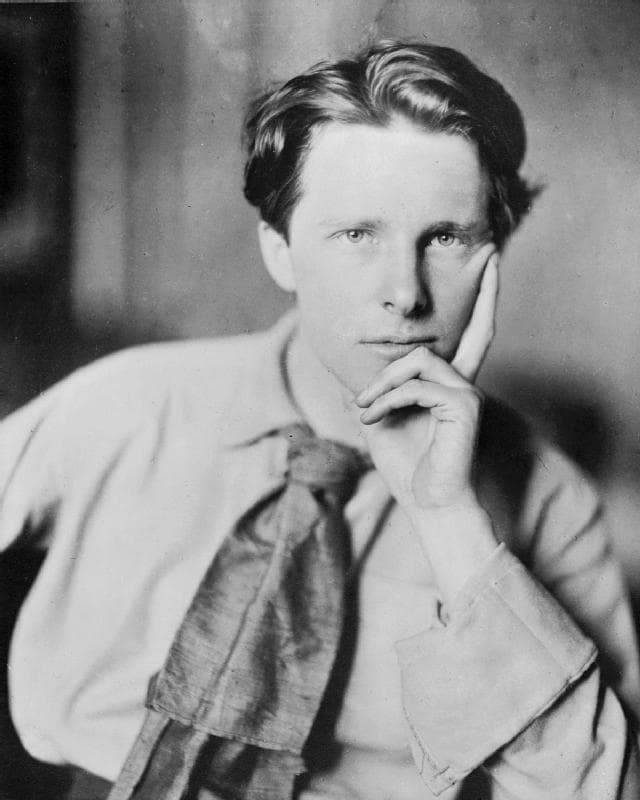
Rupert Brooke
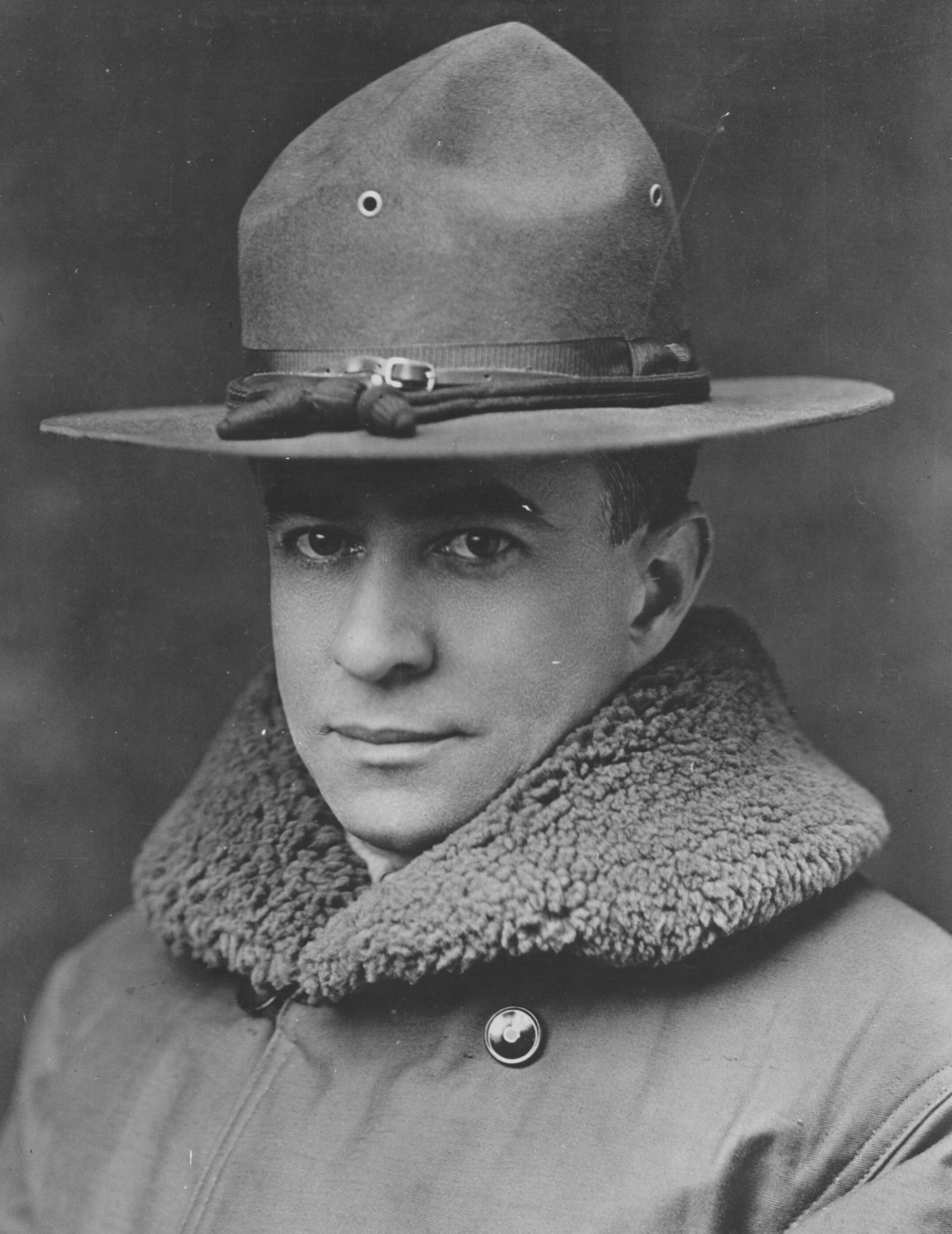
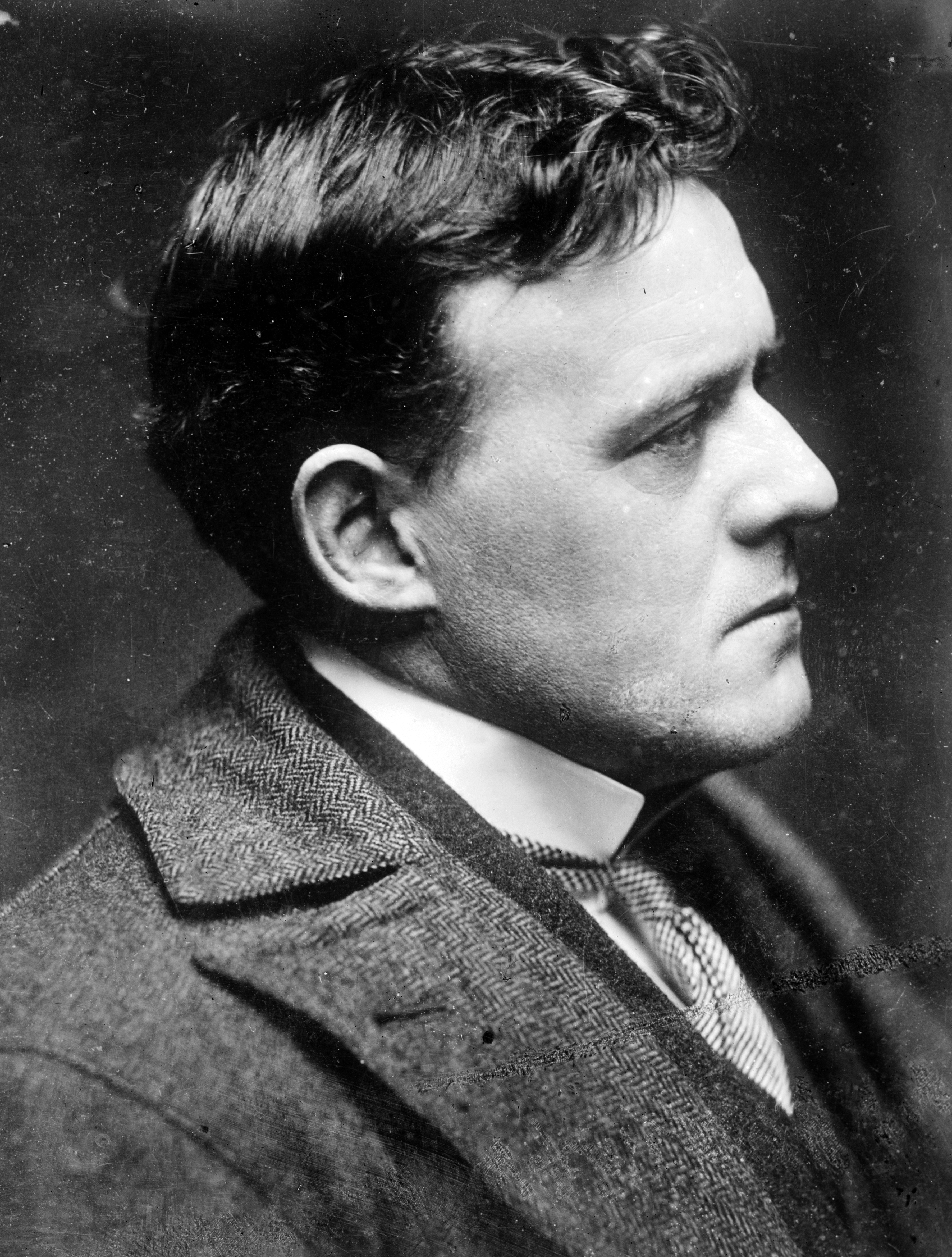
Rupert Brooke was an English poet celebrated for his idealistic and patriotic war sonnets written during the First World War. His most famous poem, "The Soldier," encapsulates the fervent nationalism and romanticism of the era, reflecting a deep sense of duty and sacrifice. Brooke's work resonated with a generation grappling with the harsh realities of war, and his lyrical style and emotional depth distinguished him as a significant voice in early 20th-century poetry. Beyond his literary contributions, he was noted for his striking good looks, earning admiration from contemporaries, including W. B. Yeats, who referred to him as "the handsomest young man in England." Tragically, Brooke's life was cut short when he succumbed to septicaemia after a mosquito bite while serving on a hospital ship in the Aegean Sea. Despite his brief career, his poetry continues to be studied for its exploration of themes such as heroism, mortality, and the romanticized view of war. Brooke's legacy endures, as he remains a poignant symbol of the lost generation of poets who faced the brutal realities of conflict and the fleeting nature of youth.
Famous Quotes
View all 3 quotes“Out of the nothingness of sleep, The slow dreams of Eternity, There was a thunder on the deep: I came, because you called to me. I broke the Night's primeval bars, I dared the old abysmal curse, And flashed through ranks of frightened stars Suddenly on the universe!”
“A kiss makes the heart young again and wipes out all the years.”
“You gave me the key of your heart, my love; Then why did you make me knock?”
Books from the author


Link to this page
Add a free, dofollow link to Lex on your blog, forum, syllabus, or reading list.

<a href="https://lex-books.com/author/rupert-brooke"><img src="https://lex-books.com/badges/read-on-lex.svg" alt="Rupert Brooke on Lex" width="160" height="40"></a>[](https://lex-books.com/author/rupert-brooke)[url=https://lex-books.com/author/rupert-brooke][img]https://lex-books.com/badges/read-on-lex.svg[/img][/url]Rupert Brooke on Lex: https://lex-books.com/author/rupert-brooke