
Rudolf Virchow
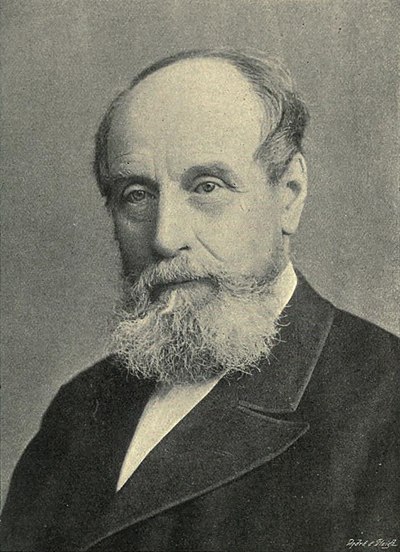
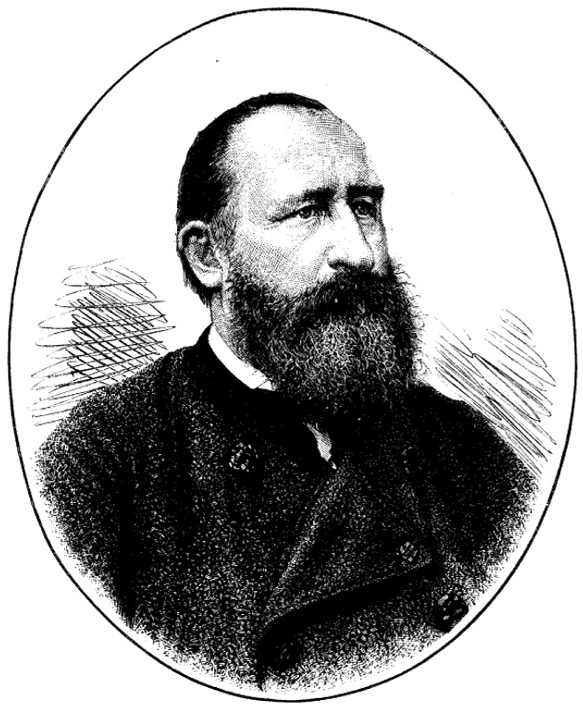
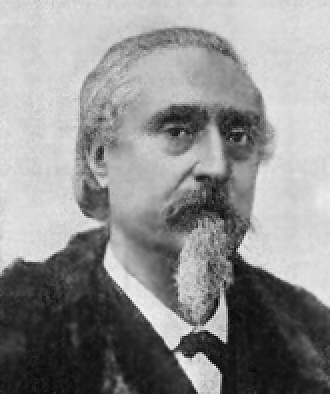
Rudolf Virchow was a pioneering German physician and pathologist, often hailed as the 'father of modern pathology.' He studied medicine at Friedrich Wilhelm University, where his early work during the typhus epidemic of 1847-1848 in Upper Silesia laid the groundwork for public health initiatives in Germany. This experience not only shaped his medical career but also influenced his political activism, leading him to famously assert that 'medicine is a social science, and politics is nothing else but medicine on a large scale.' His involvement in the Revolution of 1848 resulted in his expulsion from Charité hospital, but he continued to advocate for medical reform through his publication, Die Medizinische Reform. In 1858, Virchow published his seminal work, Cellular Pathology, which introduced the crucial principle that all cells arise from pre-existing cells, a concept that became foundational in the field of pathology. His academic career flourished as he held the first Chair of Pathological Anatomy at the University of Würzburg and later returned to Charité to lead its Institute for Pathology. Beyond his scientific contributions, Virchow was an influential political figure, co-founding the Deutsche Fortschrittspartei and serving in the Prussian House of Representatives and the Reichstag. His legacy includes over 2000 scientific writings and the establishment of several important medical and anthropological societies, solidifying his role as a key figure in both medicine and social reform in Germany.
Famous Quotes
View all 13 quotes“It is the curse of humanity that it learns to tolerate even the most horrible situations by habituation.””
“Medicine is a social science, and politics is nothing more than medicine on a large scale.””
“Medical education does not exist to provide student with a way of making a living, but to ensure the health of the community.””
Books from the author


Link to this page
Add a free, dofollow link to Lex on your blog, forum, syllabus, or reading list.

<a href="https://lex-books.com/author/rudolf-virchow"><img src="https://lex-books.com/badges/read-on-lex.svg" alt="Rudolf Virchow on Lex" width="160" height="40"></a>[](https://lex-books.com/author/rudolf-virchow)[url=https://lex-books.com/author/rudolf-virchow][img]https://lex-books.com/badges/read-on-lex.svg[/img][/url]Rudolf Virchow on Lex: https://lex-books.com/author/rudolf-virchow