
Ronald Firbank
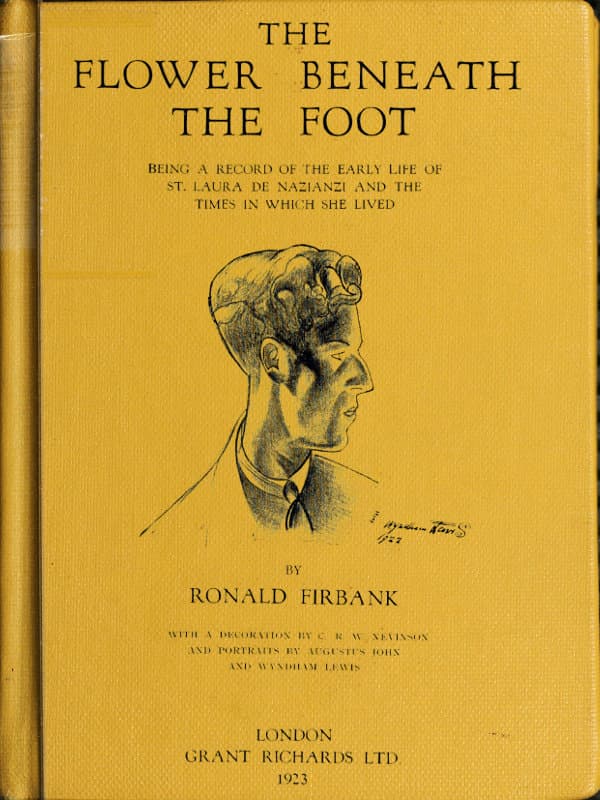
Ronald Firbank was an innovative English novelist known for his distinctive style and wit. His works, influenced by the aesthetic movement of the 1890s and figures like Oscar Wilde, often featured a unique blend of dialogue and rich, vivid imagery. Firbank's eight short novels, including notable titles such as 'Vainglory' and 'The Flower Beneath the Foot', explored themes of religion, social ambition, and sexuality, often with a satirical edge. His writing was characterized by a playful use of language and a penchant for the absurd, which set him apart from his contemporaries. Despite his relatively brief literary career, Firbank's contributions to modernist literature were significant. He is often regarded as a precursor to later writers who would further explore the boundaries of narrative and character development. His work has been celebrated for its boldness and originality, influencing a range of authors and artists in the 20th century. Firbank's legacy endures as a testament to the power of innovation in literature, making him a key figure in the evolution of the novel form.
Famous Quotes
View all 2 quotes“The world is disgracefully managed, one hardly knows to whom to complain.”
“Mentally, perhaps she was already three parts glass. So intense was her desire to set up a commemorative window to herself that, when it was erected, she believed she must leave behind in it, for ever, a little ghost. And should this be so, then what joy to be pierced each morning with light; her body flooded through and through by the sun, or in the evening to glow with a harvest of dark colours, deepening into untold sadness with the night.... What ecstasy! It was the Egyptian sighing for his pyramid, of course.”
Books from the author



Link to this page
Add a free, dofollow link to Lex on your blog, forum, syllabus, or reading list.

<a href="https://lex-books.com/author/ronald-firbank"><img src="https://lex-books.com/badges/read-on-lex.svg" alt="Ronald Firbank on Lex" width="160" height="40"></a>[](https://lex-books.com/author/ronald-firbank)[url=https://lex-books.com/author/ronald-firbank][img]https://lex-books.com/badges/read-on-lex.svg[/img][/url]Ronald Firbank on Lex: https://lex-books.com/author/ronald-firbank