Mahatma Gandhi
1924
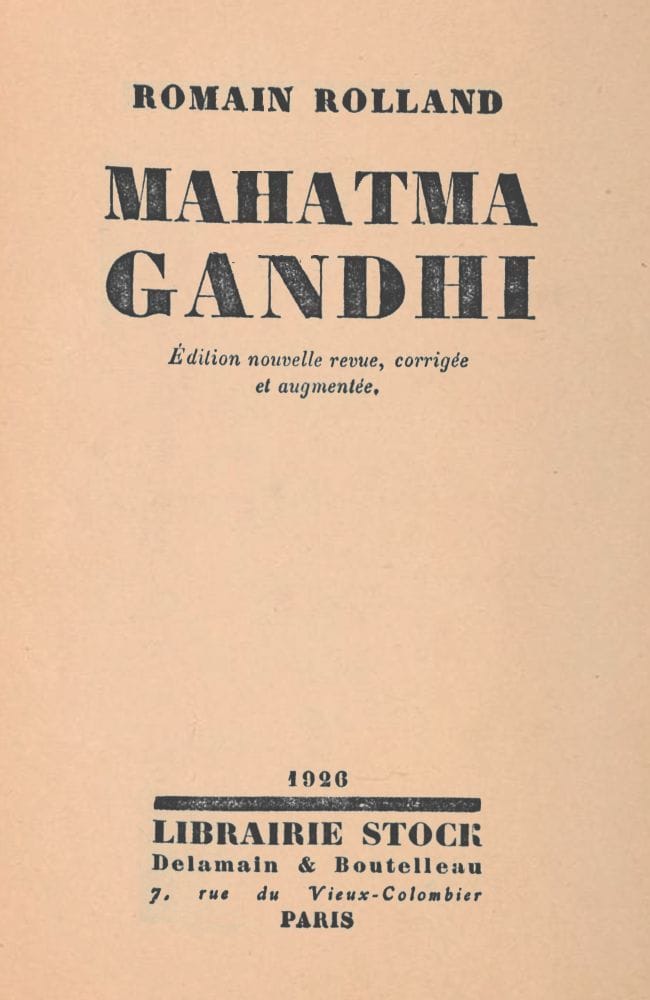
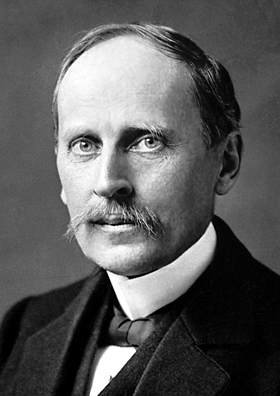
Written in 1924 by Nobel laureate Romain Rolland, this intimate portrait captures Gandhi at a pivotal moment: the architect of nonviolent resistance had already transformed India's struggle for freedom, yet his most iconic acts lay ahead. Rolland knew Gandhi personally and approached his subject with the reverence of a spiritual biographer, drawing connections between Gandhi's philosophy and the mystical traditions of both Hinduism and Christianity. The book traces Gandhi's journey from his comfortable youth in Porbandar, through his humbling years as a struggling lawyer in London and South Africa, to his emergence as the leader who taught an entire subcontinent that moral force could defeat empire. Rolland illuminates the foundations of Gandhi's thought: Ahimsa, Satyagraha, the radical proposition that truth is the self and the self is truth. This is not a comprehensive biography but something rarer: a contemporary witness attempting to grasp the soul of a man the world had not yet finished discovering. For readers seeking to understand how one person convinced millions to reject violence while demanding justice, Rolland's account remains a profound starting point.
Editions
Link to this book
Add a free, dofollow link to Lex on your blog, forum, syllabus, or reading list.

<a href="https://lex-books.com/book/mahatma-gandhi-34c3bd7f-fe7b-4b07-8e67-fdcacd37cd88"><img src="https://lex-books.com/badges/read-on-lex.svg" alt="Read Mahatma Gandhi by Romain Rolland free on Lex" width="160" height="40"></a>[](https://lex-books.com/book/mahatma-gandhi-34c3bd7f-fe7b-4b07-8e67-fdcacd37cd88)[url=https://lex-books.com/book/mahatma-gandhi-34c3bd7f-fe7b-4b07-8e67-fdcacd37cd88][img]https://lex-books.com/badges/read-on-lex.svg[/img][/url]Read Mahatma Gandhi by Romain Rolland free on Lex: https://lex-books.com/book/mahatma-gandhi-34c3bd7f-fe7b-4b07-8e67-fdcacd37cd88Cite this book
Reading this edition for a paper or guide? Copy a citation.
Rolland, Romain. Mahatma Gandhi. Lex, lex-books.com/book/mahatma-gandhi-34c3bd7f-fe7b-4b07-8e67-fdcacd37cd88.Rolland, R. (1924). Mahatma Gandhi. Lex. https://lex-books.com/book/mahatma-gandhi-34c3bd7f-fe7b-4b07-8e67-fdcacd37cd88Rolland, Romain. Mahatma Gandhi. Lex. https://lex-books.com/book/mahatma-gandhi-34c3bd7f-fe7b-4b07-8e67-fdcacd37cd88.